40 Billion Reasons
Why Green Roads are the Best Answer for Your Neighborhood
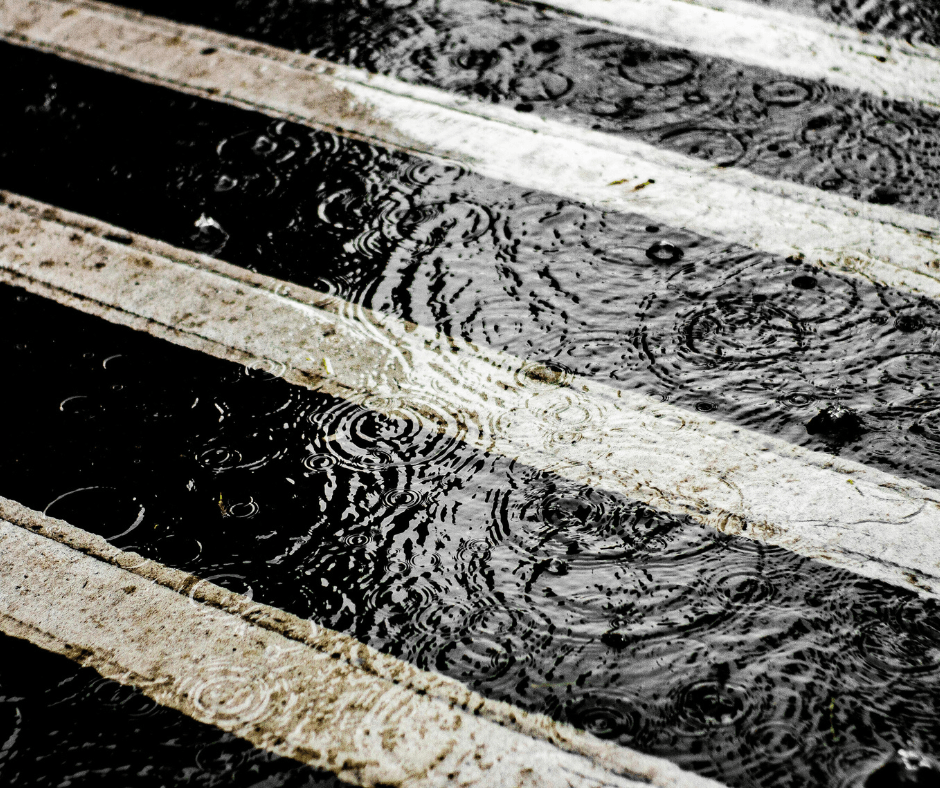
Think about the last time it rained in your neighborhood. You might have watched the water run down the street, collecting in the gutter and disappearing into a storm drain. You probably saw the familiar, faint rainbow sheen on the surface of the puddles. Most of us see it and think nothing of it, dismissing it as a normal part of city life. But it isn't normal. It's evidence of the largest, most overlooked oil spill happening in the world today.
It's a spill that doesn't make the headlines. It doesn't have a dramatic starting date or a single company to blame. Yet, it is larger and more insidious than any tanker accident in history. Every single year, an estimated 40 billion gallons of petroleum products are spread on roads around the globe. To put that number in perspective, it is more than the Exxon Valdez disaster, the Deepwater Horizon catastrophe, and every other major marine oil spill from the last decade combined.
And the most shocking part? This spill isn't an accident. It's a feature of the very roads we build, and it’s happening every day on the streets right in front of your home, your local park, and your child’s school. The toxic glue that holds our modern world together is quietly poisoning it. But what if there was a better way? What if we could build the paths, trails, and roads our communities need without paying this steep environmental price?
Unpacking the 40-Billion-Gallon Problem
This invisible oil spill isn't crude oil being dumped from barrels. It’s a slow, steady release from the primary binding agent in traditional roads: bitumen. Bitumen, also known as asphalt binder, is the black, sticky, semi-solid form of petroleum that’s left over after lighter fuels like gasoline are refined. Its job is to act as the glue that holds together the aggregates—the sand, stone, and slag—that make up the road surface.
It's an effective binder, but it comes with a toxic legacy. Here’s how this petroleum base makes its way from your road into your environment:
Leaching and Abrasion:
A road isn't a sealed, inert object. It is constantly breaking down. The friction from billions of vehicle tires grinds the surface, creating fine, toxic dust. The sun's UV rays and heat bake the surface, causing chemical components to break down and leach out. This process of abrasion and degradation releases tiny particles of petroleum-based bitumen into the environment.
Stormwater Runoff: The Toxic Expressway:
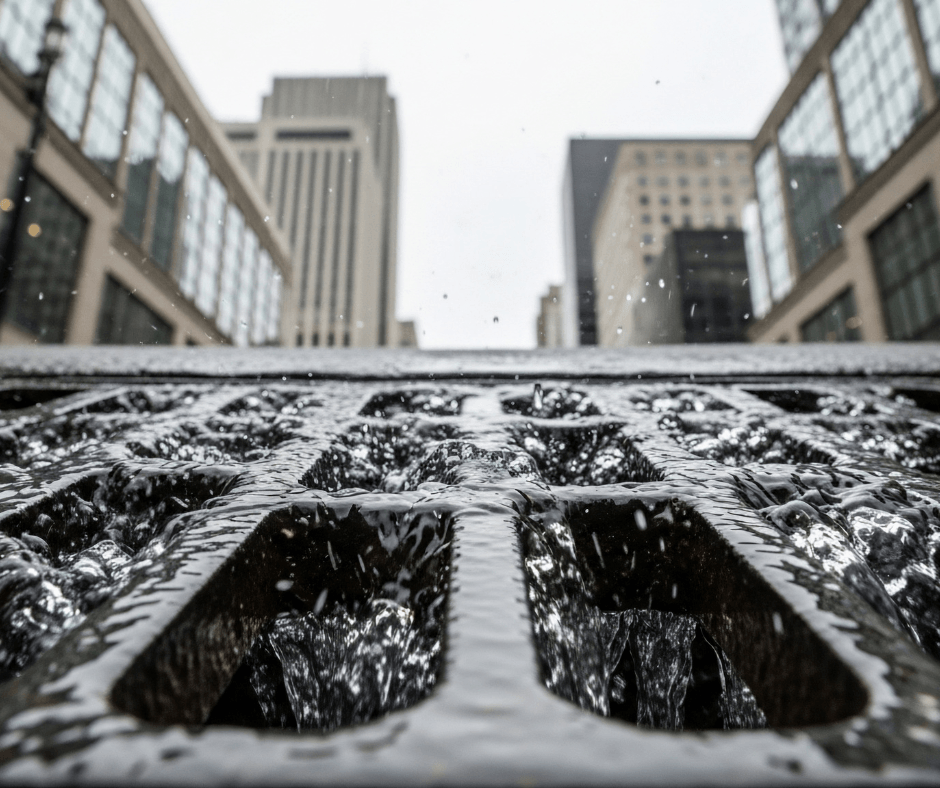
When it rains, the water washes these oily particles and chemical residues off the road surface. This toxic soup flows directly into storm drains. Unlike sanitary sewers that go to a treatment plant, most storm drains are a direct expressway to our local environment. The oily, chemical-laden runoff is discharged, untreated, into the nearest stream, river, or lake, eventually making its way to the ocean. That rainbow sheen on the puddle is the visual proof of this petroleum journey.
Airborne Pollutants:
The damage isn't limited to our water. On hot days, asphalt roads release Volatile Organic Compounds (VOCs) into the atmosphere. These airborne petroleum hydrocarbons contribute to the formation of smog and can cause a range of health problems. The fine particulate matter kicked up by traffic can also be inhaled deep into the lungs, leading to respiratory and cardiovascular issues.
The environmental cost of this constant, low-level release is staggering. The petroleum hydrocarbons in bitumen are toxic to fish, amphibians, and the insects they feed on, disrupting the entire aquatic food chain. These toxins can seep into groundwater, threatening drinking water supplies. For people (especially children and the elderly) the constant exposure to airborne pollutants poses a significant, long-term health risk. We have accepted this as the cost of progress, but the 40-billion-gallon question is: why?
A Better Way: Building Roads Without the Oil
The fundamental problem with traditional roads is the toxic, petroleum-based binder. So, the solution is to replace it. This is where Green Roads Project introduces a revolutionary shift in how we build our communities. Instead of relying on a petroleum byproduct, Green Roads Project utilizes an advanced, non-toxic co-polymer resin that provides all the strength and durability of bitumen without any of the environmental baggage.
Think of it as changing the core ingredient in a recipe. We are still binding aggregates together to create a solid surface, but we are swapping the toxic "glue" for one that is clean, inert, and environmentally safe.
A Non-Toxic, Water-Based Formula:
Green Roads Project co-polymer is a water-based, non-toxic formula. It contains no petroleum, no heavy metals, and releases no VOCs. When it cures, it creates a durable, completely inert surface. The binder itself is benign, so there is nothing toxic to leach out or wash away.
Locking Down Materials:
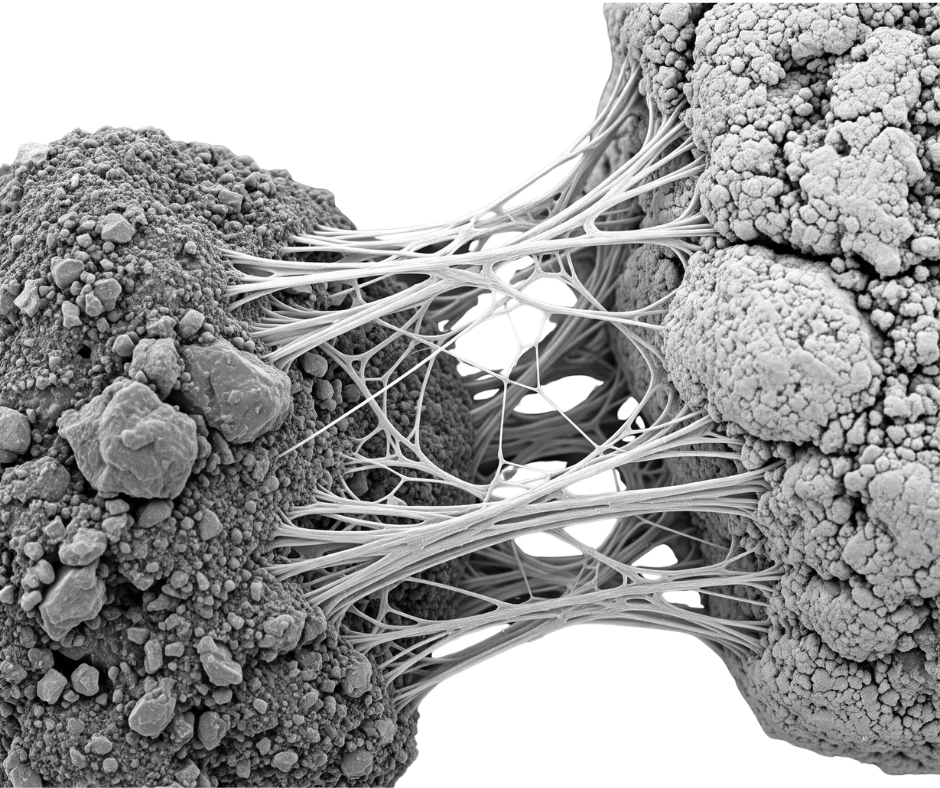
The polymer works by forming powerful, microscopic bonds between the particles of the native soil or recycled aggregates it’s mixed with. This process creates a cohesive, water-resistant, sealed surface. Rainwater doesn't penetrate it; it sheets off cleanly, without picking up any oily residues or pollutants, because there are none to begin with.
Improving Air and Water Quality:
By choosing a non-petroleum binder, a community is making a direct investment in the health of its citizens and the environment. Runoff is just water. The air on a hot day isn't filled with toxic fumes. The fine dust from traffic is dramatically reduced because the surface itself is resilient to abrasion.
This isn't just a theoretical benefit; it’s a measurable improvement. Every square foot of road, path, or trail built with this technology is a square foot that is no longer contributing to the 40-billion-gallon problem. It actively prevents pollution at the source.
Why This Matters for Your Community
Solving a global environmental problem can feel overwhelming, but the beauty of this solution is that it starts locally. It starts with the decisions made by city planners, parks departments, and community developers. Choosing a cleaner way to build has profound and immediate benefits for neighborhoods.
Healthier Spaces for Families and Children:
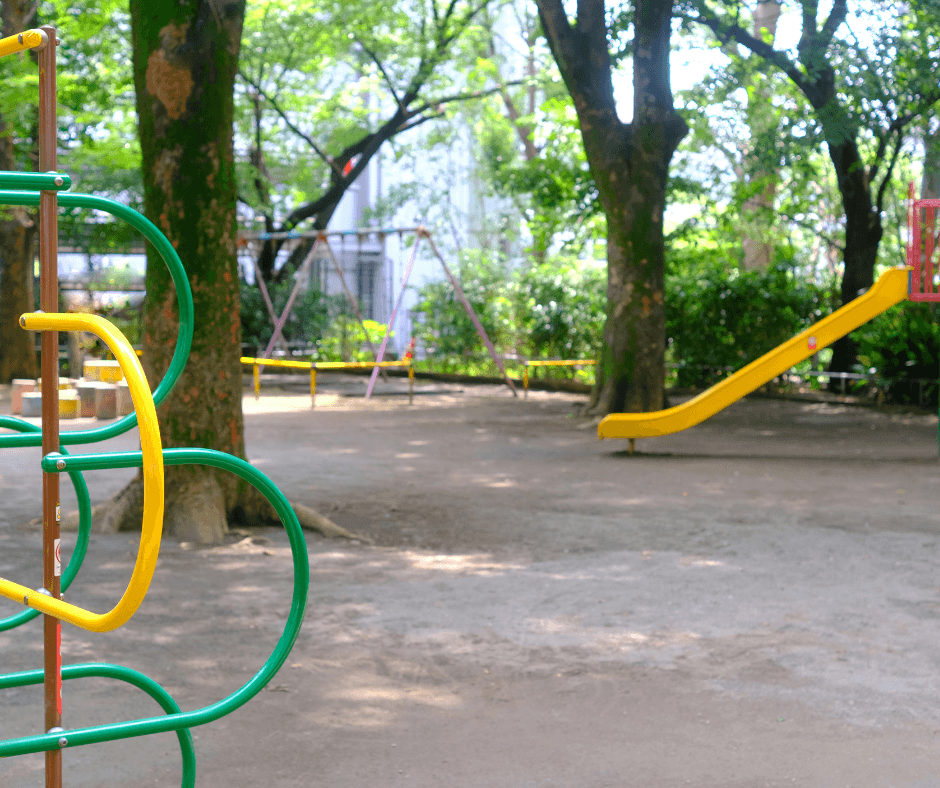
Our parks and neighborhoods should be the safest places for our children. Green Roads Project helps create them. Park trails, playground surfaces, and quiet residential streets built with this technology doesn't leach chemicals into the soil where children play or the water they splash in.
Beautiful, Natural Aesthetics:
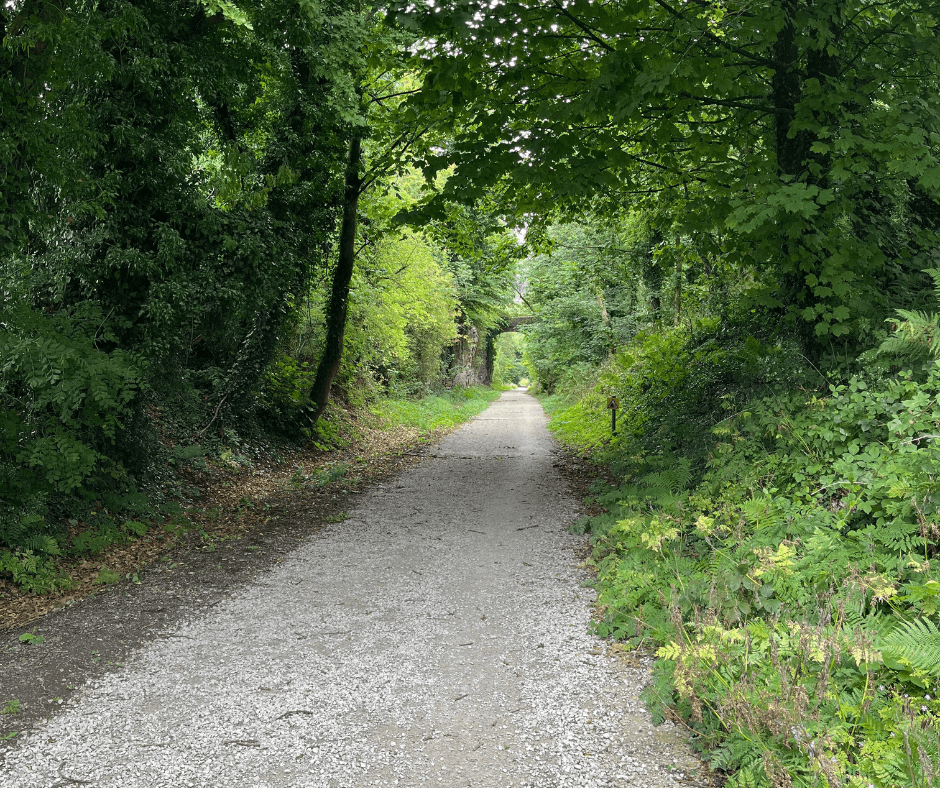
Black asphalt creates a harsh, artificial divide in the natural landscape. Because Green Roads Project often utilizes the native, on-site soil, it creates surfaces that are in harmony with their surroundings. The paths in a community park can blend seamlessly with the environment, enhancing the natural beauty of the space rather than paving over it.
Combating the Urban Heat Island Effect:
Dark asphalt absorbs and radiates solar energy, making our neighborhoods significantly hotter in the summer. The lighter, natural colors of a stabilized soil surface reflect more sunlight, contributing to a cooler, more comfortable, and more energy-efficient community.
A Mark of a Forward-Thinking Community:
For city leaders and developers, choosing sustainable infrastructure is a powerful statement. It demonstrates a commitment to the long-term health and well-being of its residents. It shows that the community is a leader in environmental stewardship, which can attract new families and businesses who share those values.
This is a solution that operates on every level. It addresses a massive, global pollution problem while simultaneously improving the beauty, safety, and health of a single neighborhood street.
Choosing a Different Path Forward
The image of that oily sheen in a puddle is a symptom of a much larger problem, one that we have ignored for too long. The 40 billion gallons of petroleum spread across our world's roads every year represent a legacy of pollution that we are passing on to the next generation. But it doesn't have to be this way.
The technology to build better already exists. We have the ability to create durable, beautiful, and cost-effective roads, paths, and trails without the toxic petroleum binder. Green Roads Project offers more than just a product; it offers a new philosophy for community building—one where the infrastructure that connects us doesn't disconnect us from our environment.
The choice belongs to us. We can continue to accept the invisible oil spill in our own front yard, or we can demand a cleaner, safer solution. For the health of our water, our air, and our families, it's time to choose a different path.