
Ace the Court: A Smarter Way to Build Lasting Sports Courts
The boom in recreational sports—from the explosive, worldwide takeover of pickleball, to the enduring love for backyard basketball and bocce—has created a massive new demand for play spaces. For Airbnb hosts, RV park owners, and municipalities, a sports court is no longer just a "nice-to-have" amenity; it is a revenue driver, a community anchor, and a differentiator. For private residents, it is the ultimate backyard upgrade.
However, the dream of building a court often hits a hard, expensive wall: the foundation.
For decades, the conventional wisdom has been that if you want a sports court, you must pour a massive concrete slab or lay down hot-mix asphalt. This assumption brings with it a host of headaches: exorbitant expense, heavy machinery tearing up the landscape, complex drainage requirements, and the inevitable, heartbreaking reality of cracks forming after the first winter freeze.
But there is a smarter way to build. It is time to challenge the concrete monopoly. By utilizing advanced soil stabilization technology, we can create high-performance, professional-quality game courts that are cleaner, more durable, and significantly more affordable than traditional pavement. Even better, this technology offers a versatile canvas: you can keep the beautiful, natural look of the Earth, with crisp painted lines, or apply a full acrylic color finish for a tournament-ready appearance. It’s time to ace the court by building better from the ground up.
The Concrete Trap: Why Harder
Isn't Always Smarter
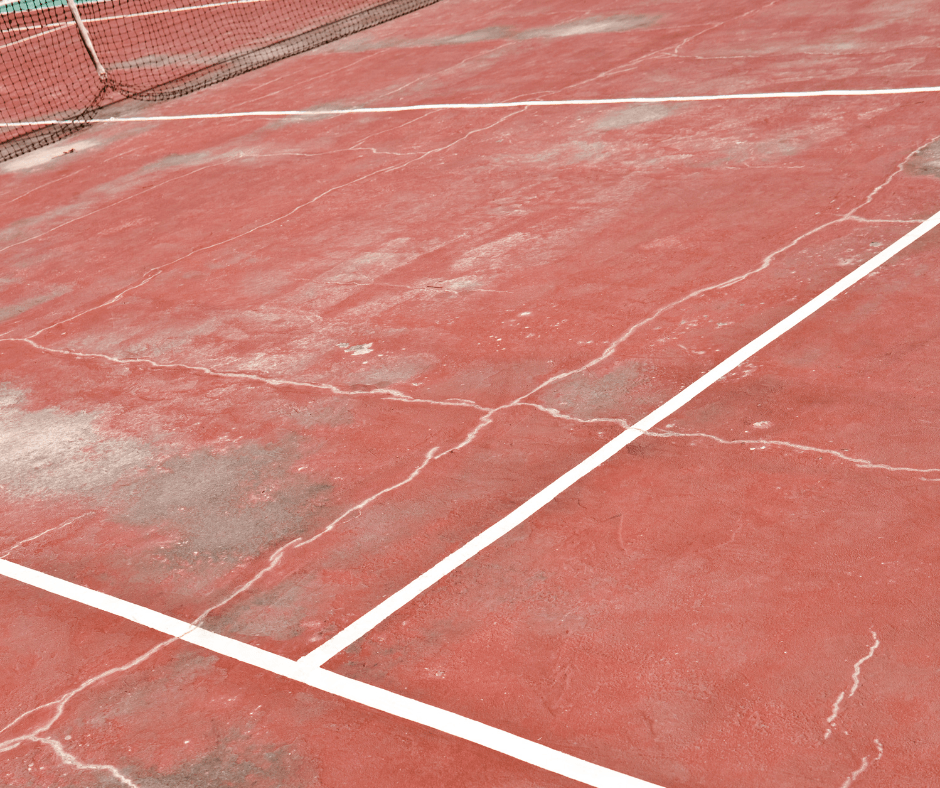
To understand the value of soil stabilization, we first have to look at why concrete and asphalt often fail in this application. The primary weakness of a concrete slab is its rigidity. It is a brittle material. When the ground beneath it moves—whether due to freeze-thaw cycles, tree roots, or settling soil—the concrete cannot bend. Instead, it cracks.
Once a crack appears in a tennis or pickleball court, the clock starts ticking. Water infiltrates the crack, freezing and expanding in winter or eroding the sub-base in summer. The crack widens, the surface becomes uneven, and the court becomes a tripping hazard. The repair options are expensive and often temporary.
Furthermore, concrete is a logistical and financial beast. It requires:
Excavation: Hauling out tons of native soil.
Importation: Trucking in expensive base rock.
Reinforcement: Laying extensive rebar grids.
Pumping: Hiring concrete pump trucks to reach backyard locations.
Curing: Waiting 28 days for the concrete to reach full strength before it can be painted or played on.
This process drives the cost per square foot into the stratosphere, often making the ROI for an Airbnb host or a small municipality impossible to justify.
The Stabilized Advantage: Engineering the Earth
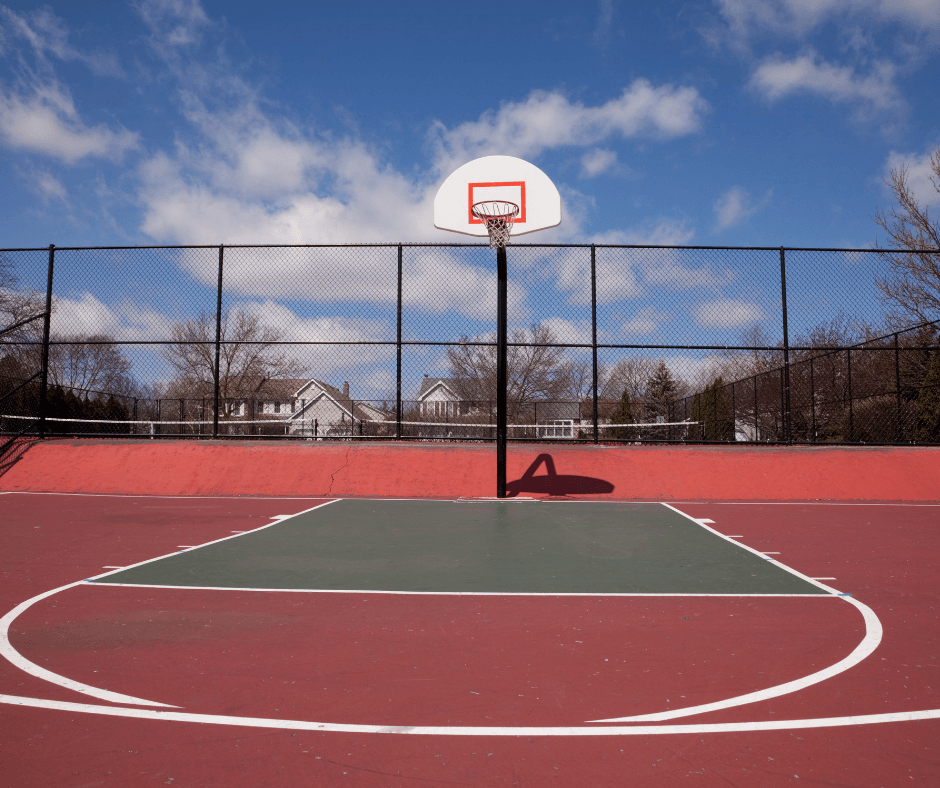
Soil stabilization flips this script entirely. Instead of importing foreign materials to build a slab on top of the ground, we engineer the ground itself to become the slab.
By blending an advanced co-polymer binder directly into the native soil or a simple aggregate mix, we create a surface that rivals concrete in density and load-bearing capacity but retains a critical characteristic: flexibility.
This is the "No-Crack" advantage. A stabilized soil court is semi-rigid. It has a high tensile strength that resists tearing, but it also possesses a degree of elasticity. When the ground below shifts or temperatures swing wildly, a stabilized court moves with the environment rather than fighting against it. It absorbs the stress that would snap a concrete slab.
For Real Estate Developers and Construction firms, this means delivering a product that doesn't generate warranty calls two years later.
For RV Park builders in climates with extreme weather swings, it means investing in an amenity that survives the frigid winter or sweltering summer intact.
Choose Your Finish: From Rustic
Chic to Pro-Tour Color
One of the most exciting aspects of a stabilized court is its versatility. Because the polymer binder creates such a dense, rock-hard, and hydrophobic (water-repelling) surface, it acts as the perfect canvas for a variety of finishes. You are no longer limited to a single look.
Option 1: The Natural Court
(Earth Tones + Painted Lines)
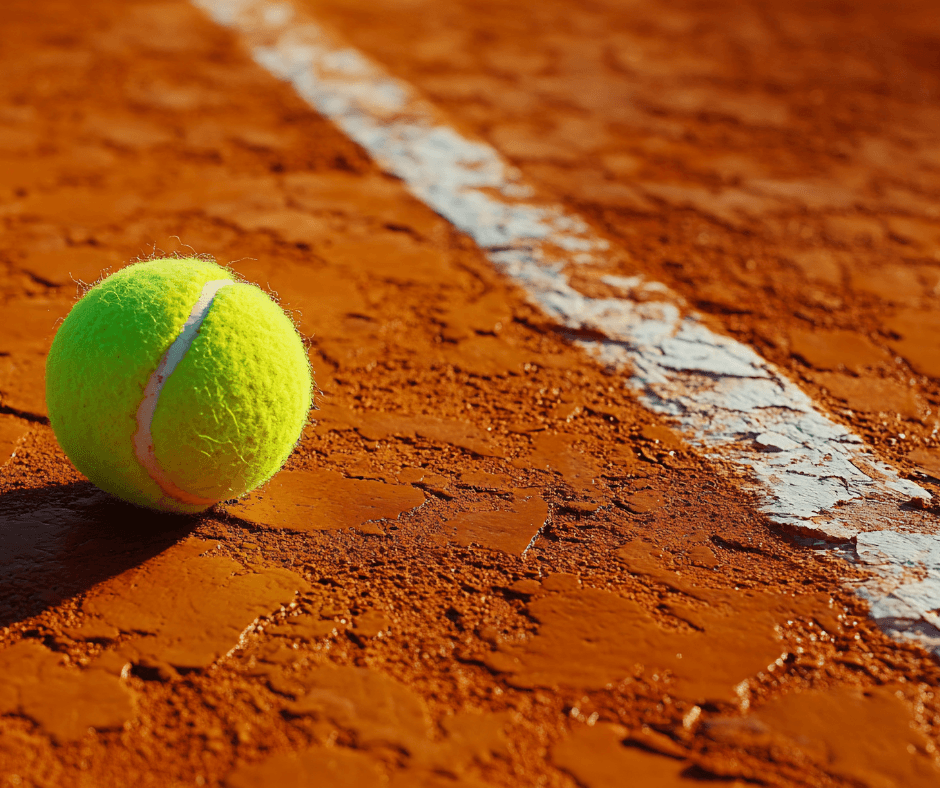
For those seeking a "biophilic" or rustic aesthetic, the stabilized surface itself is the finish. Because you are using native soil or natural aggregates, the court retains a beautiful earth-toned appearance, be it a rich terra cotta, a desert tan, or a slate grey, that blends seamlessly with the surrounding landscape.
The Look: To finish this court, you simply stripe and paint the game lines (white, yellow, or blue) directly onto the stabilized surface.
The Vibe: This creates a stunning, "clay court" visual without the high maintenance of actual clay. It is elegant, organic, and perfect for Airbnb, glamping resorts, or high-end residential backyards where a bright green slab would look out of place.
Option 2: The Acrylic Finish
(Tournament Ready)
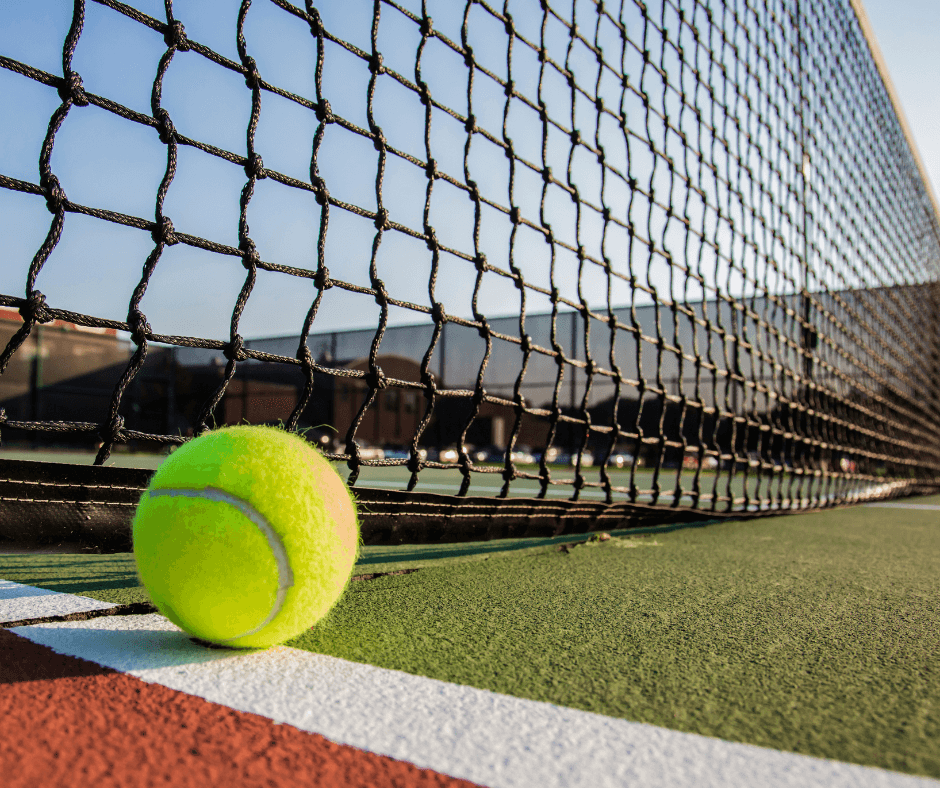
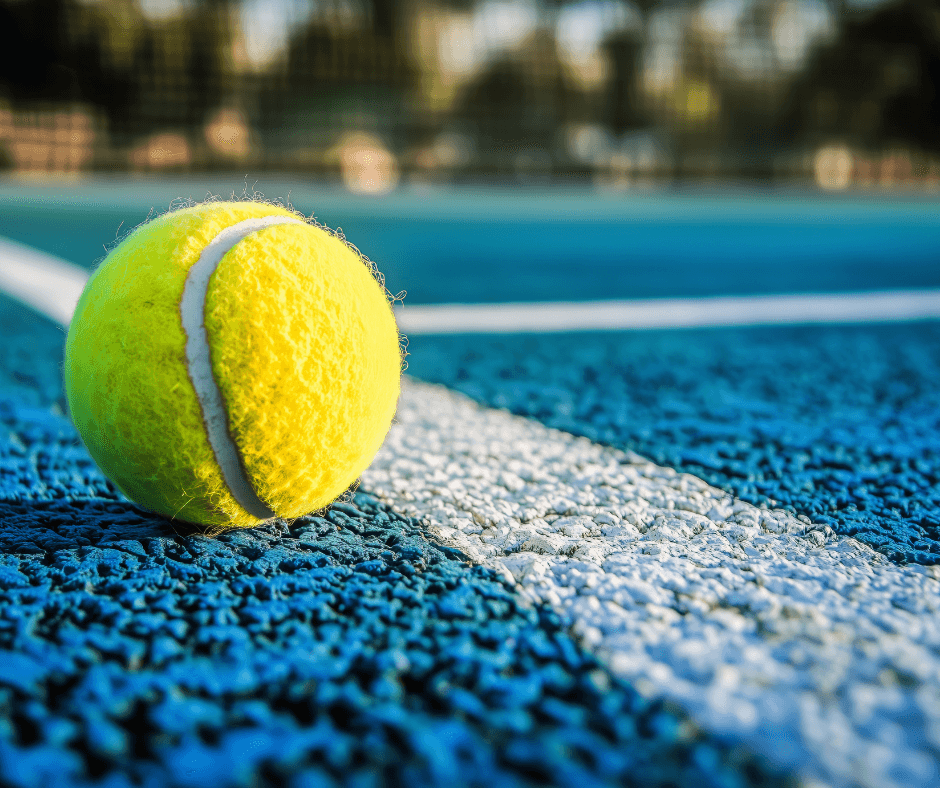
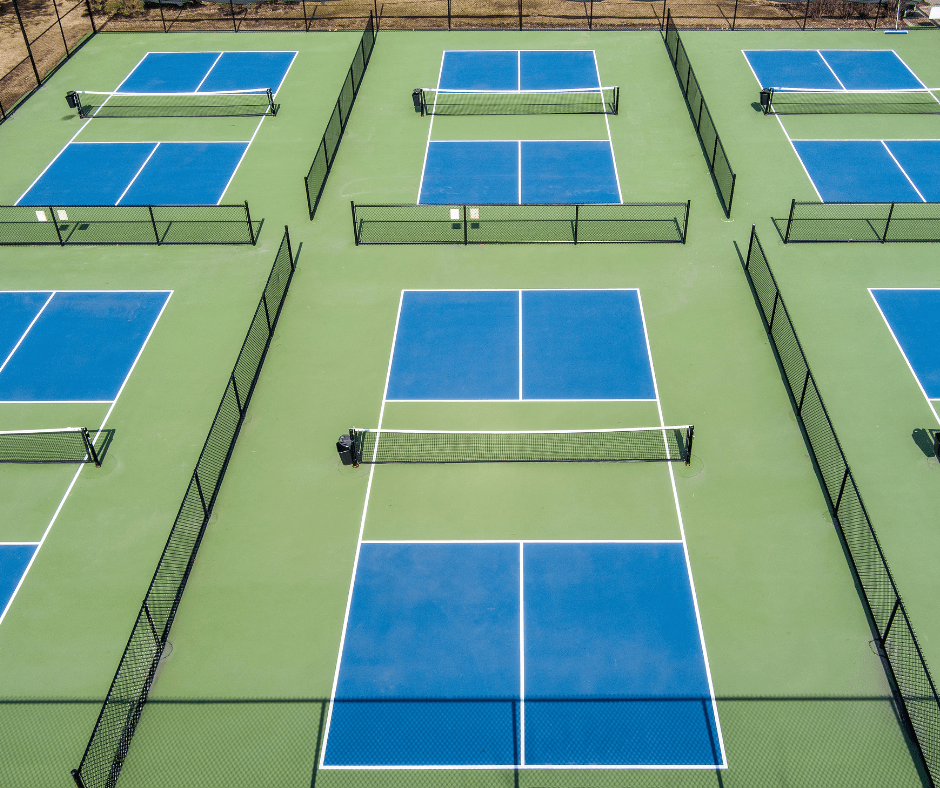
If you want the classic look and ball visibility of a professional hard court, a stabilized base is fully compatible with standard acrylic sports coatings. Because the stabilized base does not wick moisture from below and provides a smooth, consistent texture, acrylic paints adhere beautifully.
The Look: You can apply the traditional two-tone color schemes (e.g., US Open Blue and Green) just as you would on asphalt.
The Advantage: You get the vibrant, professional aesthetic of a hard court, but with a base that is far less likely to crack than asphalt or concrete. It’s the pro look, built on a smarter foundation.
A Cleaner Game: The Dust-Free Promise
One of the biggest misconceptions about "alternative" court surfaces is that they are dirty. People hear "soil" and think "dust."
In a raw dirt court, dust is a major problem. Fine particles loosen, creating a slippery surface that is dangerous for cutting and pivoting (the essential movements of pickleball and basketball). It also leads to "tracking," where players carry red clay or dirt into their homes, rental units, or RVs.
Modern soil stabilization eliminates this issue completely. The polymer binder acts as a powerful glue, locking down the "fines" (the tiny dust particles) on a molecular level.
Whether you choose the natural finish or the acrylic paint finish, the result is a surface that is hard, smooth, and dust-free.
For the Athlete: This provides consistent traction. You get the grip you need to make a play without the risk of slipping on loose material.
For the Airbnb Owner: This is a critical "housekeeping" win. Guests can play a match and walk straight back inside without tracking grit onto hardwood floors or white carpets.
The Economics of Play: Costs a "Ton" Less
Perhaps the most compelling argument for stabilized courts is the bottom line. When you compare the Total Installed Cost (TIC) of a stabilized court versus a post-tensioned concrete slab, the savings are staggering.
Where do the savings come from?
Material Costs
You are using the soil already on your site, reducing the start up costs as well as the significant amount of trucks required to haul away in-situ dirt. Additionally you eliminate the purchase of concrete, rebar, and wooden forms.
Labor & Equipment
The application process is fast. There is no need for concrete pumps or finishing crews. A court can often be stabilized in a fraction of the time it takes to frame and pour concrete.
No Cure Time
While concrete needs 28 days to cure before it can be painted, a stabilized court is often ready for painting or play in 72 to 96 hours.
For City and County Governments managing tight parks and recreation budgets, this math effectively doubles your buying power. Instead of building one basketball court, you can build two. Instead of deferring maintenance on a trail to afford a pickleball complex, you can do both.
For Private Residents, it brings the dream of a home court within reach. The budget that would have been consumed by the concrete slab can now be spent on the finishing touches—like premium acrylic coatings, high-quality lighting, or fencing—to complete the backyard oasis.
Versatility in Application
The stabilized soil application isn't a one-trick pony. It serves as the ideal base for a variety of court types:
Pickleball & Tennis
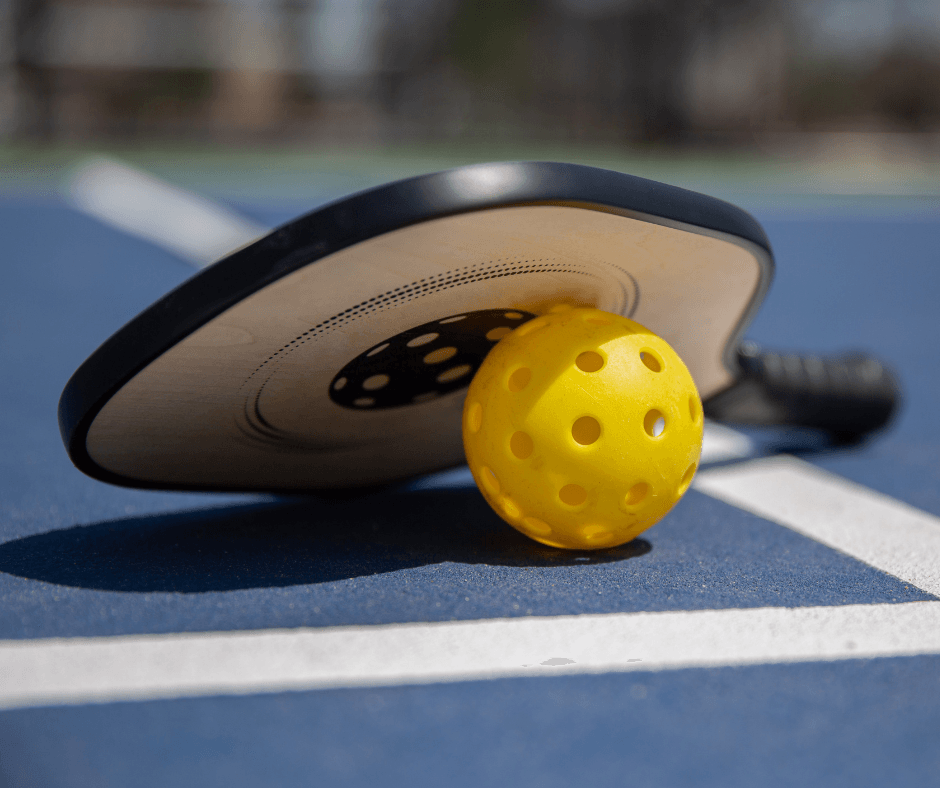
Whether you leave it natural with painted lines for a softer look or coat it in acrylic for high-contrast visibility, the ball bounce remains firm and consistent.
Basketball
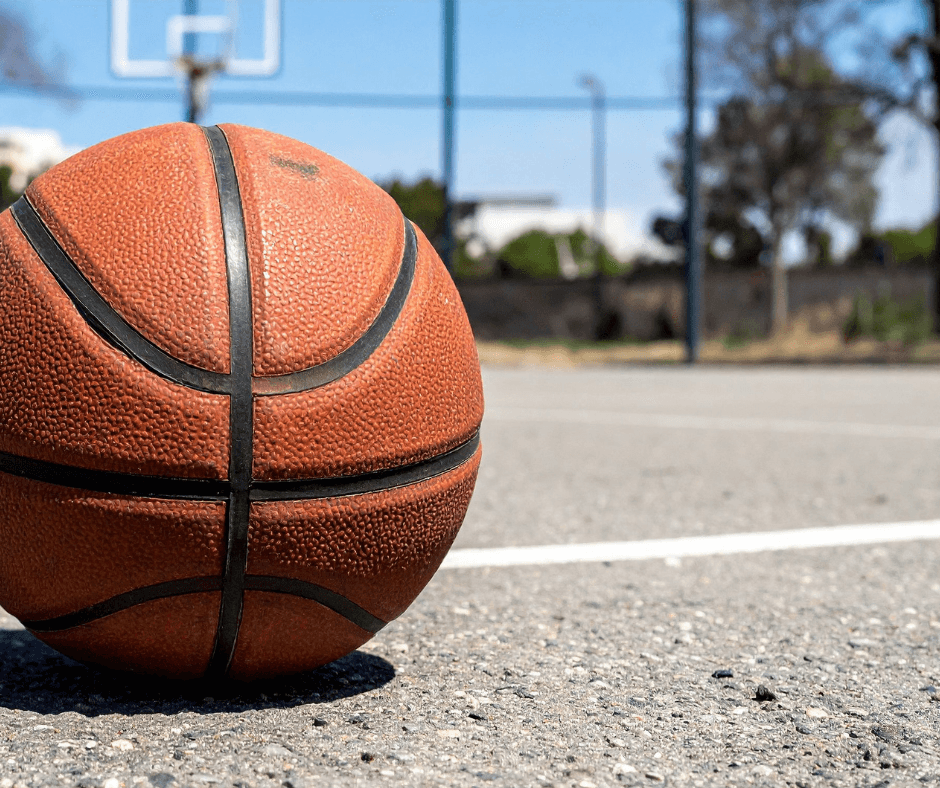
The dense surface provides excellent energy return for dribbling, and the "no-crack" resilience ensures the court stays safe for layups and jump shots for years.
Bocce & Petanque
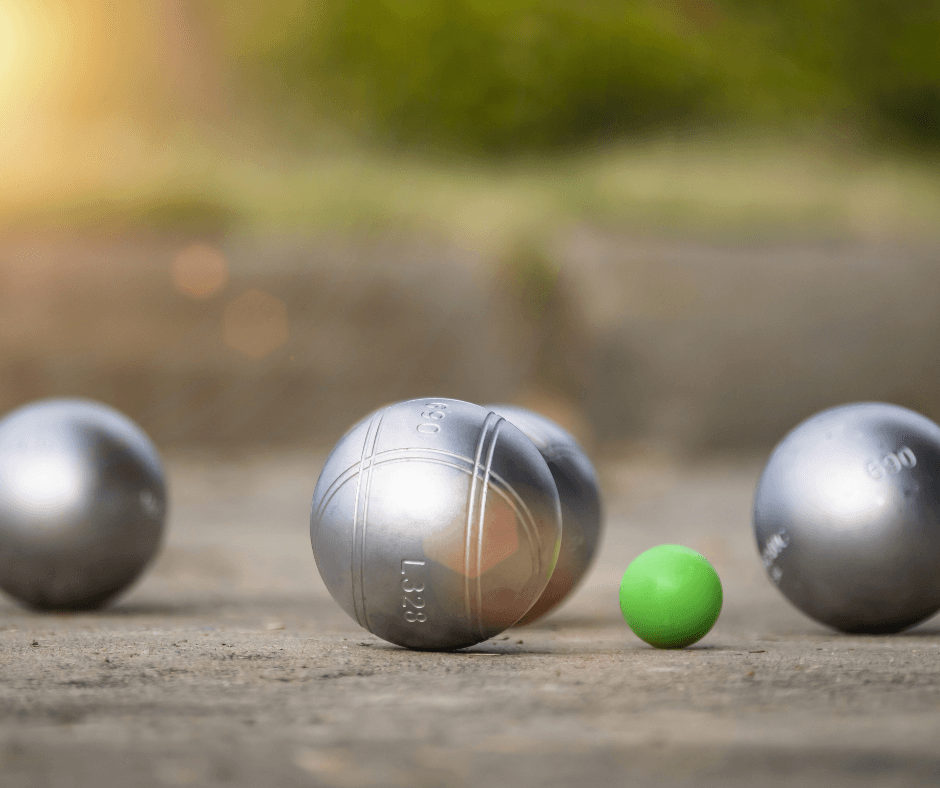
These games are traditionally played on natural surfaces, but maintenance is often a nightmare. Stabilization creates a perfectly level playing field that retains the natural look but won't develop ruts, grooves, or weeds over time.
Multi-Use Pads
For RV parks, a stabilized pad can serve as a yoga platform in the morning, a cornhole court in the afternoon, and a star-gazing patio at night.
The Future of Recreation is Resilient
We are entering an era where smart construction is defined by resilience and efficiency. Pouring tons of concrete for a recreational court is a relic of 20th-century thinking. It is resource-heavy, carbon-intensive, and financially draining.
Soil stabilization offers a lean, green, and durable alternative. It allows us to build sports courts that are kinder to the planet, gentler on the wallet, and tougher against the elements. Whether you want the rustic charm of a natural court with painted lines or the vibrant pop of a fully painted acrylic surface, the answer lies right beneath your feet.
Don't just pave the court; stabilize it.