
The Dirt Path Dilemma
Keep the Natural Look, Lose the Messy Footprints
For every architect, landscape designer, and community developer, the "dirt path" represents a powerful ideal. It is a symbol of authenticity, a rustic nod to nature that a stark, black asphalt ribbon can never replicate. It’s the desire for a trail that winds organically through a new housing development, a path that feels like camping in a beautiful outdoor setting, or a walkway that encourages quiet reflection in a community garden. This is the "natural look" we crave.
But then, reality sets in. That same natural path, built from simple compacted dirt or decomposed granite, becomes the single greatest source of complaints. After the first rain, it’s no longer a path; it's a mud pit. The "messy footprints" of residents, guests, and pets are tracked across pristine floors, into expensive RVs, and onto carpets, creating a cleaning nightmare. Then, in the dry season, the problem inverts: every footstep kicks up a plume of fine dust, coating parked cars, outdoor furniture, and lungs.
This is the Dirt Path Dilemma. For decades, builders, city planners, and park managers have been forced to make an impossible choice:
Aesthetics
Choose the natural path, and accept a future of endless maintenance, resident complaints, and a surface that is unusable for days at a time.
Function
Choose asphalt or concrete, and accept a high installation cost, a massive carbon footprint, and a sterile, industrial aesthetic that kills the very "natural" vibe you were trying to create.
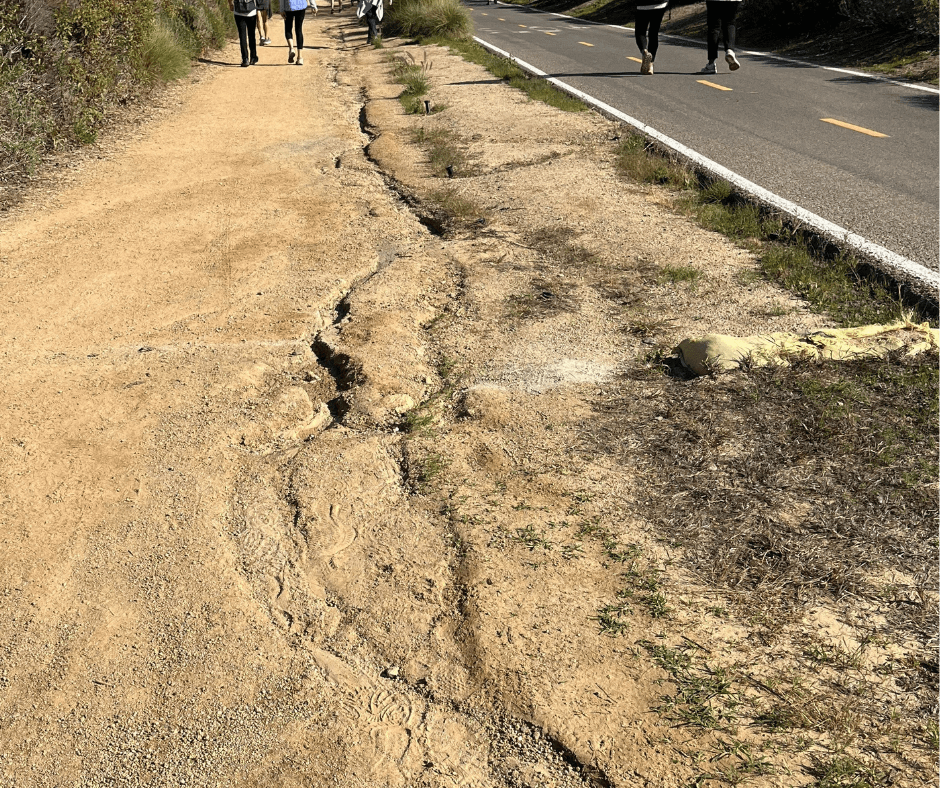
It’s a choice between a beautiful path that fails and a functional path that's ugly.
But what if this dilemma is a false one? What if you could engineer a path that offers the absolute best of both worlds? The technology now exists to create a surface that uses the native soil on-site—retaining its perfect, natural color and texture—while imbuing it with a durability, water resistance, and cleanliness that rivals pavement. It's the secret to keeping the natural look while permanently losing the messy footprints.
Beyond Maintenance: The User-Experience Failure of a "Just Dirt" Path
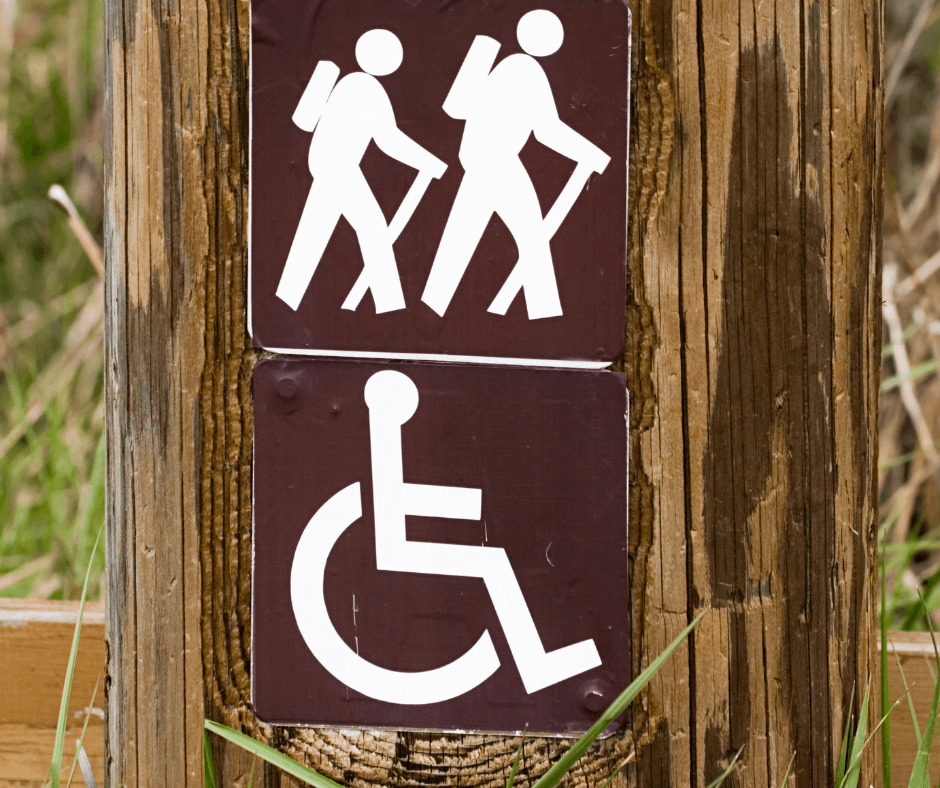
While the maintenance headaches of traditional paths are a known budget-killer for city governments and park operators (as we've explored in "The Great Washout"), the daily user-experience failure is an even greater liability.
A path is a service. When it fails, it fails its users.
The "Cleanliness" Liability
For an RV park or campsite builder, the "messy footprint" is a direct threat to the bottom line. Guests in $200,000 motorhomes do not tolerate tracking mud and grit into their living space. A path that creates a mess becomes a recurring theme in negative online reviews. For a real estate developer, this same problem frustrates new homeowners and saddles the future HOA with a costly, perpetual problem that detracts from the community's "premium" brand.
The Accessibility Barrier (A Non-Negotiable)
Herein lies the most critical, non-negotiable failure of a simple dirt path: it is not accessible.
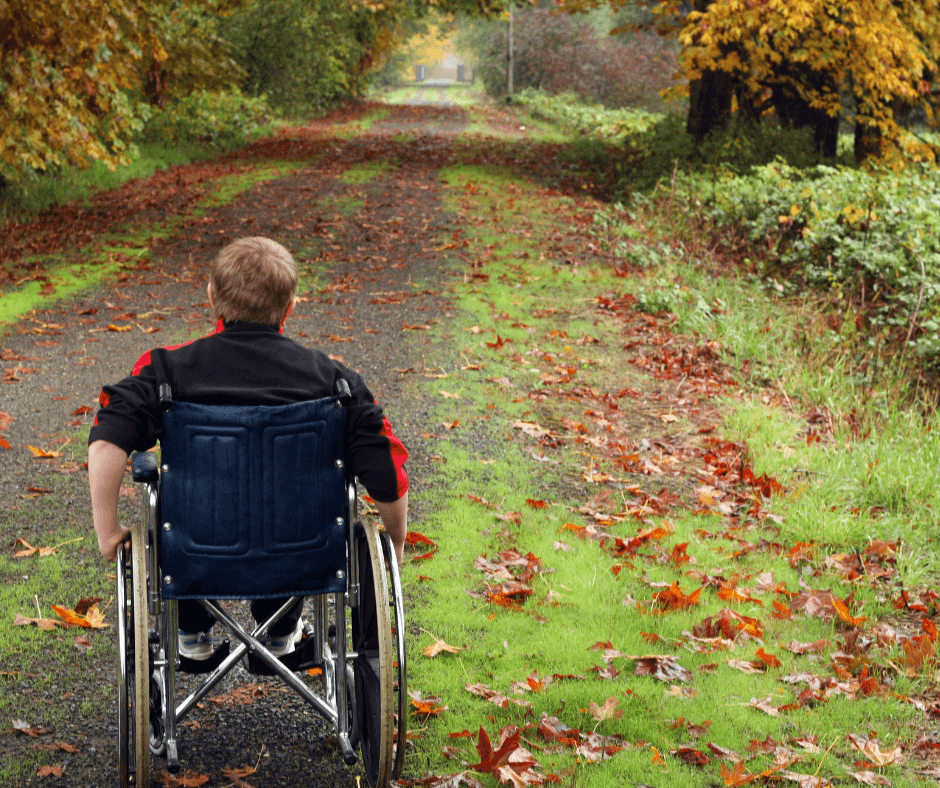
A surface made of loose gravel, dirt, or sand is an impassable barrier for a significant part of our population. It is impossible to navigate with a wheelchair, a walker, or even a child’s stroller. This isn't just a minor inconvenience; it's a critical failure of inclusivity and, for public projects, a direct violation of the Americans with Disabilities Act (ADA).
City and county governments simply cannot build public trails that are not accessible to all citizens. Developers who ignore this are not only limiting their market but also opening themselves up to legal challenges. This is where the dilemma becomes a crisis: the very path meant to connect the community to nature ends up excluding a huge portion of it.
The Heat & Health Problem
The traditional "functional" solution, asphalt, introduces its own set of user-experience failures. As a "heat island," a blacktop path absorbs and radiates solar energy, becoming dangerously hot. On a 90-degree day, an asphalt surface can exceed 140°F, making it unsafe for pets' paws and uncomfortable for everyone. In dry weather, a failing dirt path constantly releases fine particulate matter (dust), a known irritant for those with asthma and other respiratory issues.
Engineering a New Solution: The Best of Both Worlds
The solution to the dilemma is to change the properties of the soil itself. By applying an advanced, water-based co-polymer resin, you can bind the native soil particles together, transforming them from a loose, messy collection of dirt into a single, cohesive, and incredibly durable surface.
This stabilized soil surface is the "third way" that solves the dilemma from every angle.
You Keep the Pleasing, Natural Visual
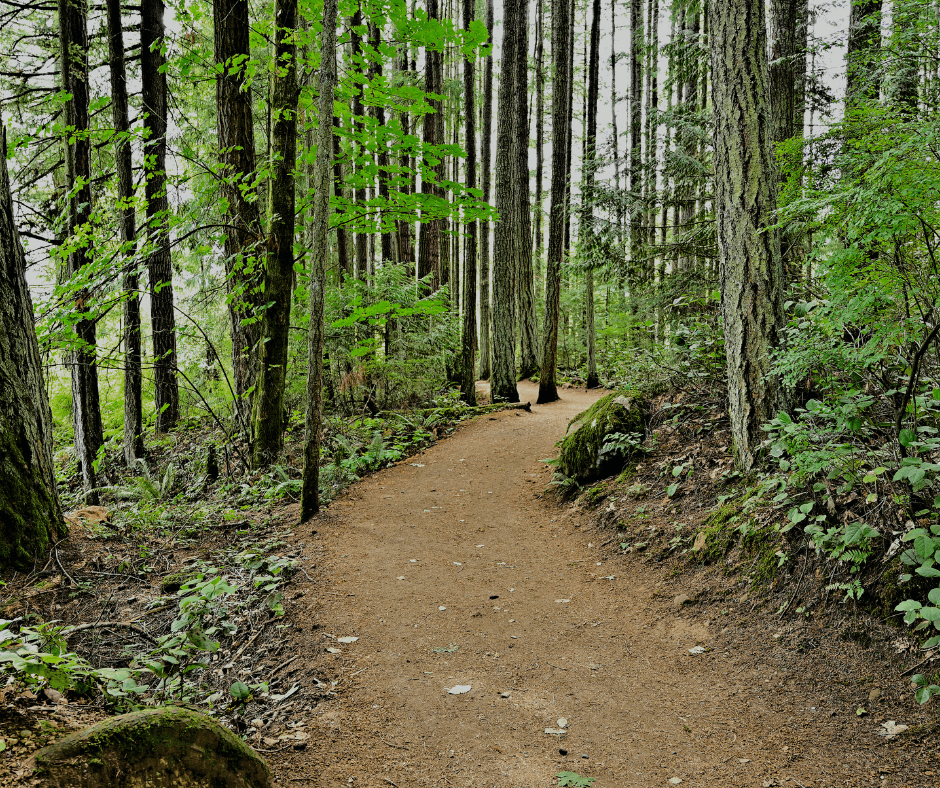
This is the magic. Because the process uses the in-situ soil, the path retains its natural color and texture. If your site has beautiful red clay, you get a beautiful, durable red trail. If it's a sandy tan, you get a firm, tan-colored path that blends perfectly with the landscape. There is no ugly, artificial "scar." You get the high-performance engineering without sacrificing the high-end aesthetic.
You Lose the Messy Footprints (Durability & Weather Resistance)
The polymer binder locks every particle in place.
Weather Resistance: The surface becomes highly impermeable. When it rains, water doesn't soak in to create mud. It sheets off cleanly, just as it would on pavement. The path is firm, clean, and walkable almost immediately after a storm. The "muddy footprint" problem is eliminated.
Durability: Because the particles are bonded, they cannot be kicked up by foot traffic or wind. The "dusty footprint" problem is also eliminated
You Gain a Cooler, Greener, Cleaner Path
By solving the core problem, a cascade of human-centric benefits is unlocked:
Reduced Heat: Unlike asphalt, the light, natural color of the stabilized soil reflects sunlight, not absorbs it. The surface stays dramatically cooler, making it more comfortable to use and safer for pets' paws.
Green Construction: This is a profoundly "green" solution. By using the on-site soil, you eliminate the carbon-intensive, costly process of trucking in quarried aggregate and hauling away excavated dirt.
Clean and Non-Toxic: The polymer binder is water-based and non-toxic. It is environmentally inert once cured. It doesn't leach petroleum products like recycled asphalt can. This makes it unequivocally safe for kids, pets, and the surrounding ecosystem.
The Game-Changer: Solving for True Accessibility
Let's return to the most critical failure of the traditional dirt path: accessibility. This is where soil stabilization delivers its most profound and valuable new contribution.
The ADA and the Architectural Barriers Act (ABA) have clear standards for accessible routes. A trail surface must be firm, stable, and slip-resistant. A loose dirt or gravel path fails all three of these tests. A stabilized soil path, however, passes them all with flying colors.
The polymer-bonded surface is as firm and stable as pavement. It provides a smooth, reliable surface that is easily navigated by all users, regardless of mobility.
This is the ultimate solution to the dilemma. A city planner can now design a "natural dirt trail" that is also 100% ADA-compliant. An RV park developer can offer a "rustic" walking path that is also accessible to a grandfather using a walker or a parent pushing a stroller.
You are no longer forced to choose between a "natural look" and an "accessible" one. You can, for the first time, have both. This single benefit opens up your amenity to the entire community, mitigates legal risks, and provides a truly inclusive space for everyone.

The Dilemma Solved
The "Dirt Path Dilemma" was born from a limitation of old-fashioned materials. That limitation no longer exists.
For City and County Governments:
You can now build the beautiful, natural trails your community wants, while simultaneously meeting your legal ADA requirements and slashing your long-term maintenance budgets.
For Real Estate Developers:
You can offer a premium, "biophilic" design amenity that feels authentic and natural, and is durable enough to hand over to an HOA without the liability of future maintenance failures.
For RV Park and Campsite Builders:
You can deliver the "rustic, close-to-nature" experience your guests crave, while providing the clean, mud-free, and stable paths they expect from a high-quality resort.
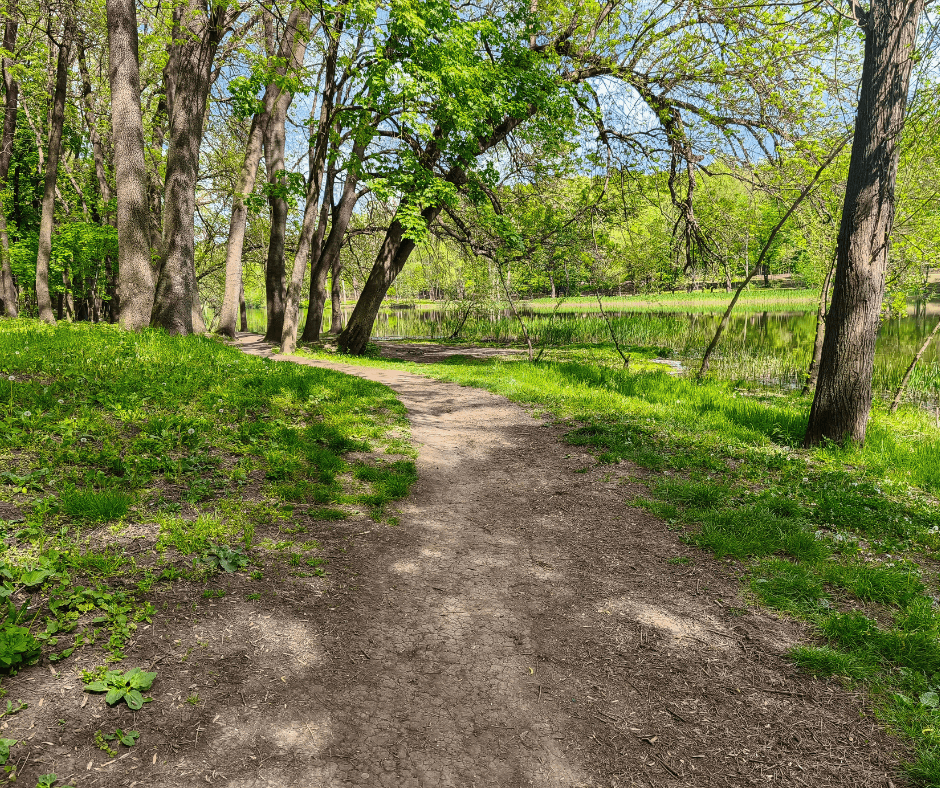
There is no longer a need to compromise. You can build a path that is green, clean, and safe. You can build a surface that is cool to the touch and blends with its surroundings. And you can do it all while providing a durable, weather-resistant, and accessible trail for every single user. You can, finally, keep the natural look and permanently lose the messy footprints.