
Building the Field of Dreams
Not the Field of Dust
Every major project begins with a vision. For a mining company, it’s the efficient extraction of vital resources that power our world. For a real estate developer, it’s a vibrant community with beautiful homes and clean, safe streets. For a city government, it’s the successful completion of infrastructure that serves its citizens. This is the “Field of Dreams”. A project built on time, on budget, and to the highest standards of quality and safety.
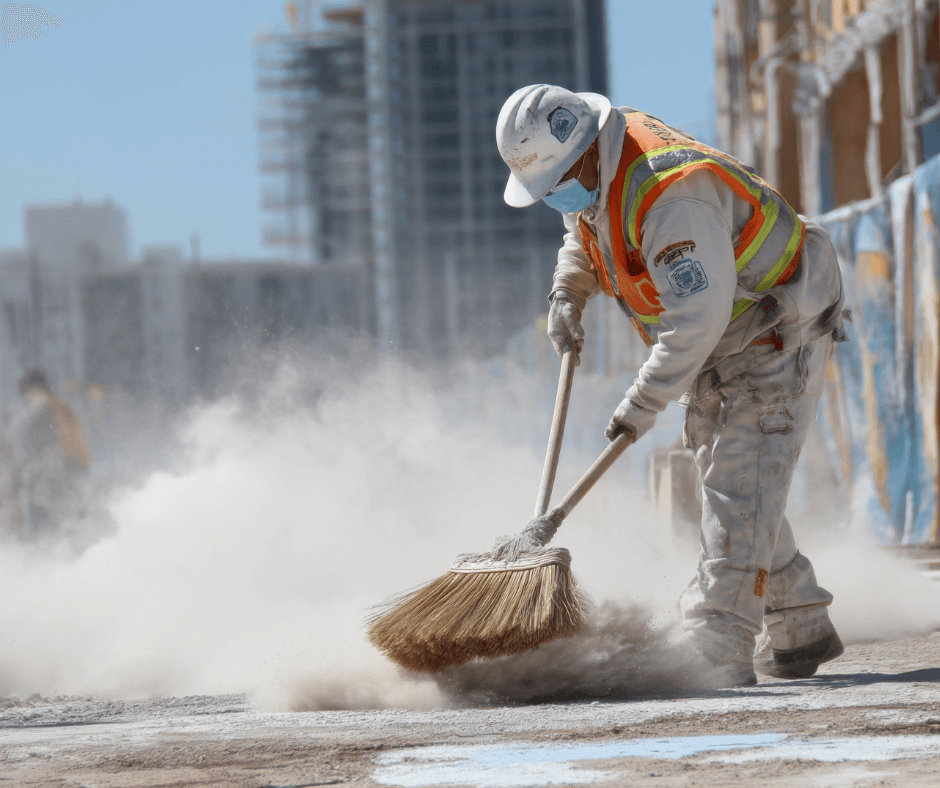
Yet, lurking on nearly every site is a pervasive antagonist that can turn that dream into a gritty, hazardous reality: fugitive dust.
It’s a problem that seems deceptively simple, but its consequences are complex and far-reaching. Dust is more than a mere nuisance; it is a significant operational drag, a serious health hazard, and a major source of regulatory violations that can halt a project in its tracks. The traditional response—the lumbering water truck endlessly spraying a fine mist—is a temporary, resource-intensive measure that is about as effective as trying to hold back the tide.
To truly build the field of dreams, you must first conquer the field of dust. The solution lies not in temporary suppression, but in a fundamental re-engineering of the ground itself. By moving beyond the water truck and embracing modern soil stabilization, we can create cleaner, healthier, and more efficient sites, ensuring the vision for the project is the reality we build.
The High Cost of Doing Battle with Dust
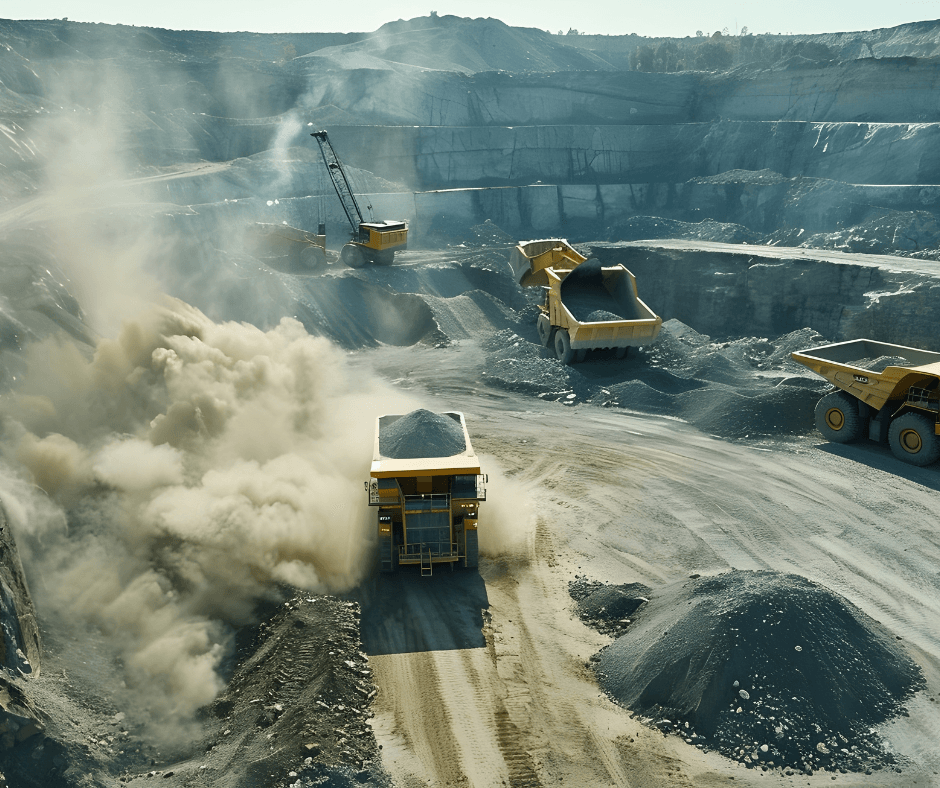
Before exploring the solution, it’s critical to understand the true, multifaceted cost of uncontrolled fugitive dust. On any large-scale site, be it a mine, a sprawling new housing tract, or a major civil construction project, dust imposes a heavy tax on nearly every aspect of the operation.
The Sisyphean Task of the Water Truck
The most common method of dust control is mechanical suppression via water. At first glance, it seems logical. But in practice, it is a deeply flawed and inefficient strategy. The water truck becomes a symbol of a costly, reactive cycle, much like the Greek myth of Sisyphus, who was condemned to forever push a boulder up a hill only to watch it roll back down.
The downsides are immense:
It’s Temporary: The relief is fleeting. On a hot, windy day the water evaporates within minutes or hours, and the dust immediately returns. This forces the truck to run in a constant, unbroken loop.
It’s Resource-Intensive: Water is a precious and increasingly expensive commodity, not to mention not always available due to drought or arid conditions. A single water truck can use tens of thousands of gallons per day. Over the course of a months- or years-long project, this represents a staggering consumption of a vital resource.
It’s Expensive: The cost isn't just the water itself. It includes the capital and maintenance cost of the truck, the wages of the operator, and the continuous consumption of diesel fuel—all adding up to a significant operational expense.
It Creates a Secondary Problem: Mud. Overwatering (which is a common occurrence), turns haul roads and work areas into mud pits. This slows down operations, increases the risk of vehicles getting stuck, and creates a track-out issue, where mud is carried onto public streets, often resulting in cleanup costs and fines.
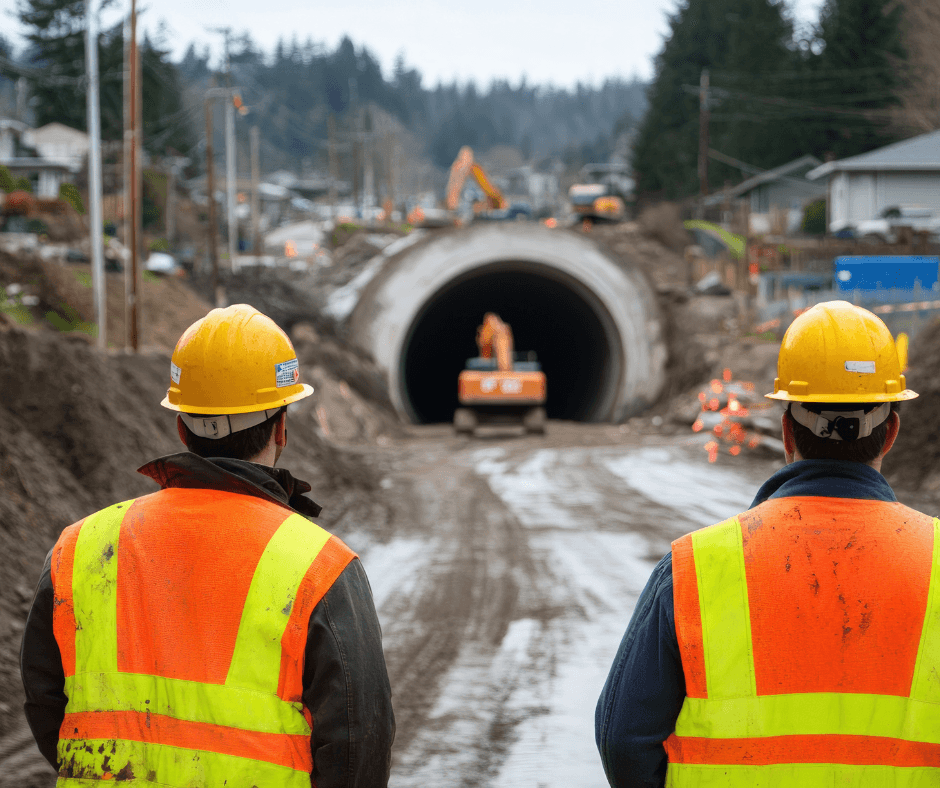
The Invisible Hazard: Particulate Matter and Human Health

The most serious cost of fugitive dust is its impact on human health. The dust kicked up from soil and aggregate is not just benign dirt; it is comprised of fine particulate matter, specifically PM10 and the more dangerous PM2.5. These microscopic particles bypass the body’s natural defenses and can be inhaled deep into the lungs.
For workers on the front lines, the exposure is constant. The health risks are well-documented and severe, including:
Respiratory Illnesses: Chronic exposure can lead to asthma, bronchitis, and reduced lung function.
Cardiovascular Issues: Fine particulate matter has been linked to heart attacks, strokes, and other cardiovascular problems.
Silicosis: For miners and construction workers, the inhalation of crystalline silica from rock and sand can lead to this incurable and often fatal lung disease.
This isn't just a health issue; it's a major regulatory and safety concern. Agencies like the Occupational Safety and Health Administration (OSHA) and regional air quality districts have stringent rules for controlling particulate matter. Failure to comply can result in stop-work orders, hefty fines, and a reputation for being an unsafe operator.
The Domino Effect on Operations
Beyond water consumption and health risks, dust creates a domino effect of operational inefficiencies. It reduces visibility on haul roads, creating a direct safety hazard. It infiltrates the sensitive inner workings of heavy machinery, engines, hydraulics, and electronics, leading to accelerated wear and tear and more frequent, costly maintenance. Furthermore, dust blowing off-site into adjacent neighborhoods is a primary source of community complaints, which can damage a company’s reputation and lead to project-stalling political and legal battles.

The Paradigm Shift: From Suppression to Elimination
The core flaw in the traditional approach is that it tries to manage dust after it has become airborne. The modern, more effective strategy is to prevent it from ever becoming airborne in the first place. This is the paradigm shift offered by soil stabilization.
Instead of merely wetting the top layer of loose particles, an advanced co-polymer binder, like that from Green Roads Project, fundamentally changes the structure of the soil. When applied to the ground, the polymer solution saturates the top few inches and, as it cures, locks the individual soil particles together. It creates a durable, cohesive surface or crust, that is resistant to the forces of wind, traffic, and weather.
Retiring the Water Truck for Good
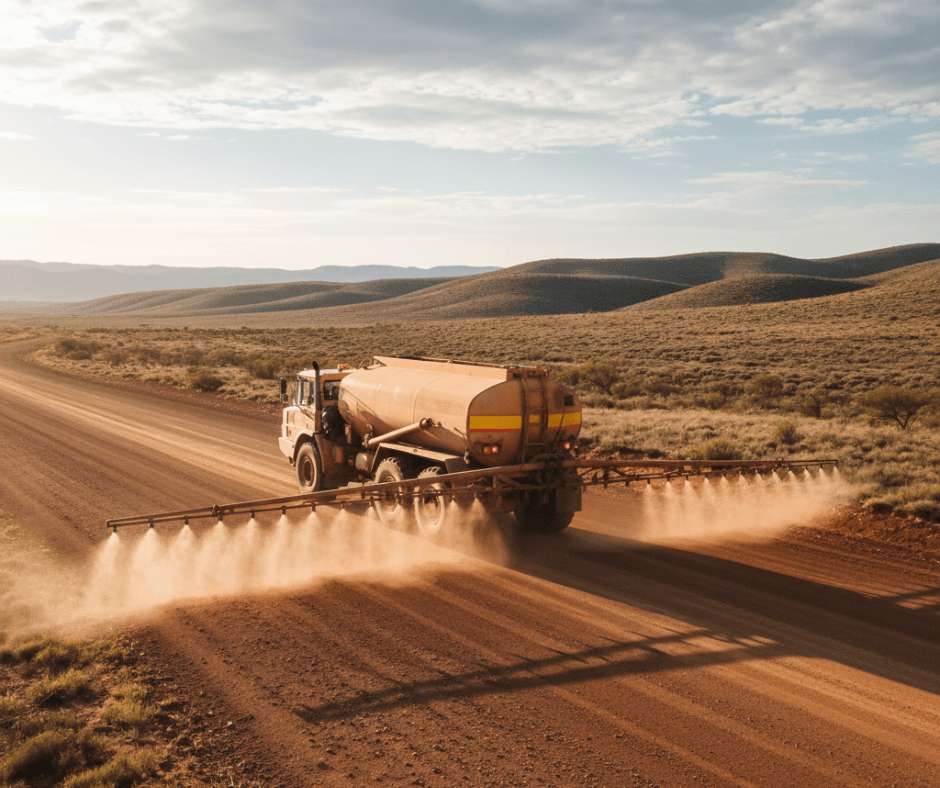
The most immediate and tangible benefit of this approach is the ability to drastically reduce or completely eliminate the need for water trucks for dust control. This is not a temporary fix; it is a long-term solution. A single application can provide comprehensive dust control for weeks or months, depending on the traffic and conditions.
The return on investment is clear and compelling. The initial cost of the stabilization agent is often quickly offset by the immense savings from:
Eliminating daily water consumption.
Saving thousands of gallons of diesel fuel.
Reallocating a skilled operator and heavy equipment to more productive tasks.
Engineering a Healthier Worksite
From a health and safety perspective, stabilization represents a move to a higher order of hazard control. Instead of relying on administrative controls (like wetting the ground) or personal protective equipment (respirators), stabilization is an engineering control. It removes the hazard at its source.
By creating a solid, bonded surface, the generation of PM10 and PM2.5 is prevented. The air on the worksite becomes demonstrably cleaner. This proactive approach is the most effective way to protect the long-term health of every worker on site, ensuring a safer work environment and simplifying compliance with air quality regulations.
Expanding the Zone of Control: Sealing the Entire Project Ecosystem
The power of soil stabilization extends beyond the immediate work area. It provides a tool to manage the entire project environment, ensuring that dust from one area does not compromise another.
Sealing the Perimeter: Protecting Your Finished Product
Consider a new real estate development. As the first phase of homes is completed and sold, construction continues on subsequent phases nearby. Dust from the active construction zone can blow onto the finished homes and clean streets, frustrating new residents and tarnishing the developer's reputation.
By stabilizing the unpaved shoulder roads, temporary access roads, and undeveloped lots surrounding the completed phases, a developer can create a "dust-free buffer zone." This proactive measure keeps the finished community clean, demonstrating a commitment to quality and resident satisfaction long before the final home is built. The same principle applies to municipalities looking to control dust from unpaved alleys or road shoulders from blowing into residential areas.
Taming Large Open Spaces
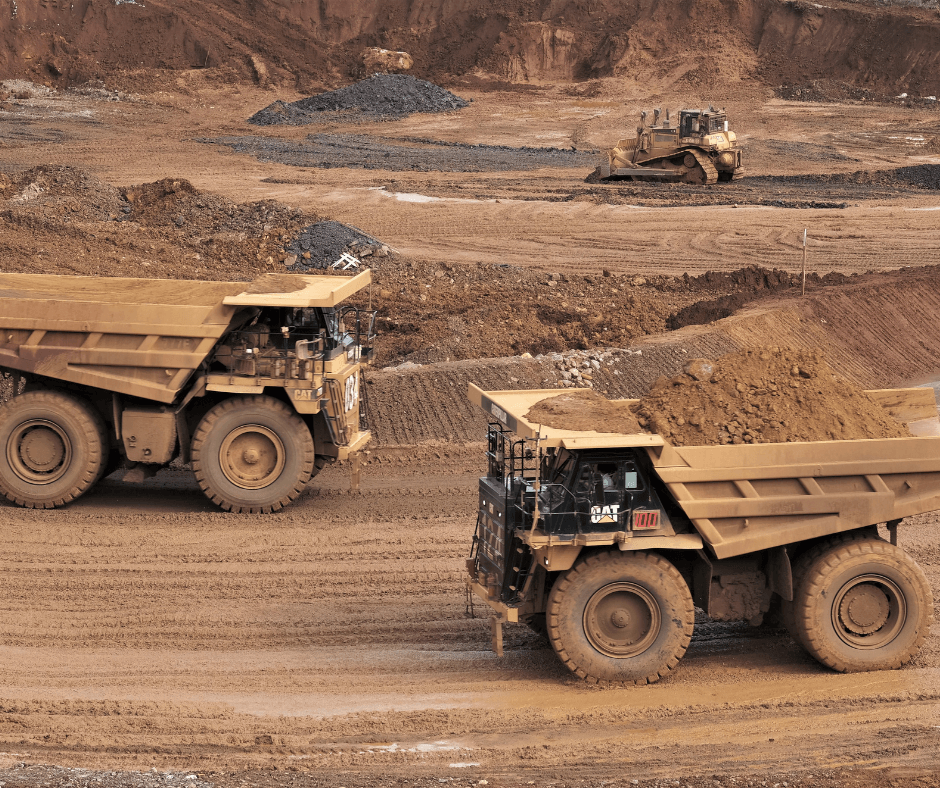
Some of the greatest dust challenges come from vast, open areas: mine tailings piles, large equipment laydown and storage yards, or massive undeveloped tracts of land. These areas are too large for water trucks to manage effectively and represent a huge source of wind-blown dust.
Topical application of a polymer binder is the ideal solution for these scenarios. It creates a durable, wind-resistant crust over the entire surface, locking down the soil and preventing erosion. This is a critical tool for mining companies seeking to comply with environmental regulations for their tailings storage facilities and for developers looking to stabilize large parcels of land during phased build-outs or while waiting for construction to begin.
Building the Vision, Not the Nuisance
The "Field of Dreams" for any project is one where operations are efficient, workers are safe, and the final product is of the highest quality. Fugitive dust is a direct threat to all three of these goals.
It is no longer an unavoidable cost of doing business. The technology exists today to move beyond the inefficient, wasteful, and incomplete solution of the water truck. Soil stabilization offers a comprehensive, long-term strategy that delivers a powerful return on investment through operational savings, health and safety improvements, simplified regulatory compliance, and better community relations.
By taking control of the ground, you are taking control of your project's success. You are choosing to build the vision, not the nuisance. You are choosing to build a field of dreams.