From Mud Pit To Masterpiece
Creating the Perfect All-Weather Driveway
For any property, the journey begins at the entrance. The driveway, access road, or parking lot is the first physical interaction a visitor, resident, or employee has with a site. It’s a handshake, a first impression that sets the tone for everything that follows. When that first impression is a muddy, rutted, bone-jarring ordeal, it communicates neglect and a lack of quality. A pristine, stable, and welcoming entrance, however, signals quality, care, and thoughtful design.
All too often, that critical first impression is left to chance. Traditional unpaved surfaces—compacted dirt, gravel, or aggregate—are in a constant battle with the elements, a battle they are destined to lose. A single heavy rain can transform a functional driveway into an impassable mud pit. A dry spell can turn a haul road into a billowing cloud of choking dust. The result is a cycle of costly, temporary fixes and a surface that is rarely, if ever, in its ideal state.
But what if you could engineer that first impression to be perfect, every day, in any weather? What if you could create a masterpiece of function and form that is not only beautiful and durable but also fundamentally resilient?
The transformation from a problematic mud pit to an all-weather masterpiece is not a matter of luck; it’s a matter of science. It begins by shifting our focus from the decorative top layer to the unseen hero of any durable surface: the sub-base. Through modern soil stabilization, we can create driveways, parking lots, and access roads that offer unparalleled strength, total weather reliability, and a natural aesthetic that traditional pavement can’t match.
The Foundation of Strength: Building From the Ground Up
The fundamental flaw in a traditional gravel or dirt driveway is that it is, by nature, a loose collection of individual particles. The "strength" of the surface relies solely on the friction between these particles, achieved through mechanical compaction. This is a fragile state. The introduction of water or the stress of vehicle traffic is enough to break this friction, allowing particles to shift, settle, and displace. This is the root cause of every pothole, rut, and washboard.
Soil stabilization addresses this foundational weakness. By introducing a co-polymer binder the very nature of the soil is altered. The process involves mixing the polymer into the native soil or a base layer of aggregate. As it cures, it forms a powerful, flexible, and cohesive bond between all the particles.
The result is a unified, semi-rigid slab. It is no longer a collection of loose parts but a single, engineered structure. This creates a sub-base with vastly superior strength and load-bearing capacity compared to compaction alone.
This enhanced strength has a cascading effect on the entire project.
For Real Estate and RV Park/Campground Developers:
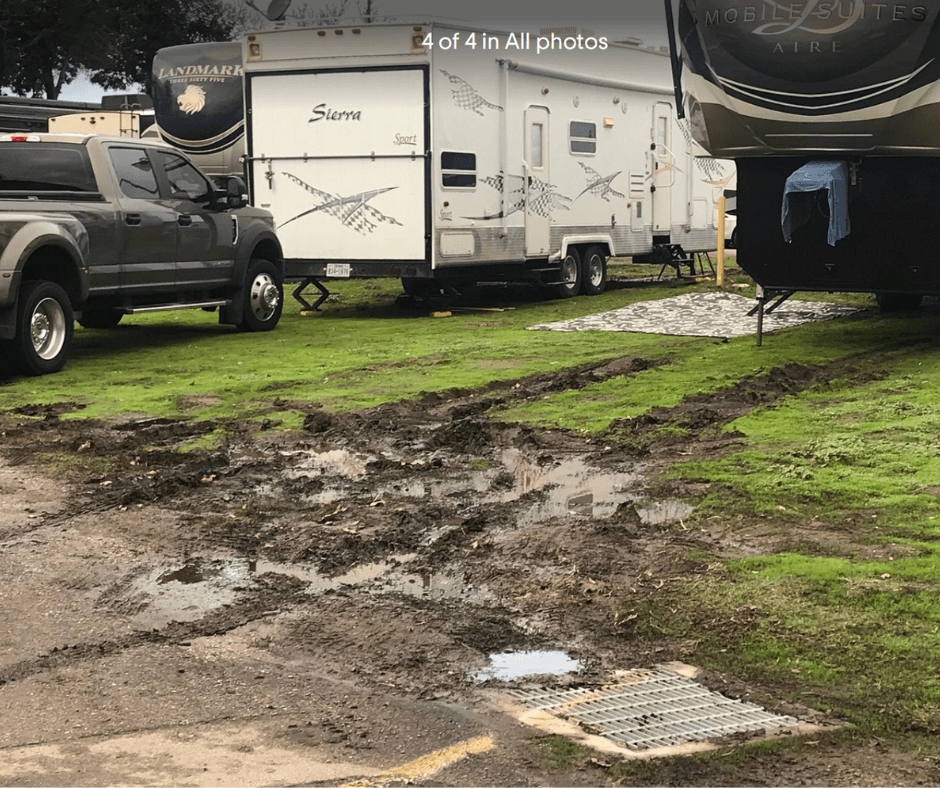
A super-strong sub-base means the driveway or road network can easily handle the weight of heavy recreational vehicles, delivery trucks, and constant resident traffic without failing. It provides a level of durability that signals quality and reduces long-term maintenance liabilities for the eventual owners or homeowners' association.
For Mining Companies and Heavy Construction:
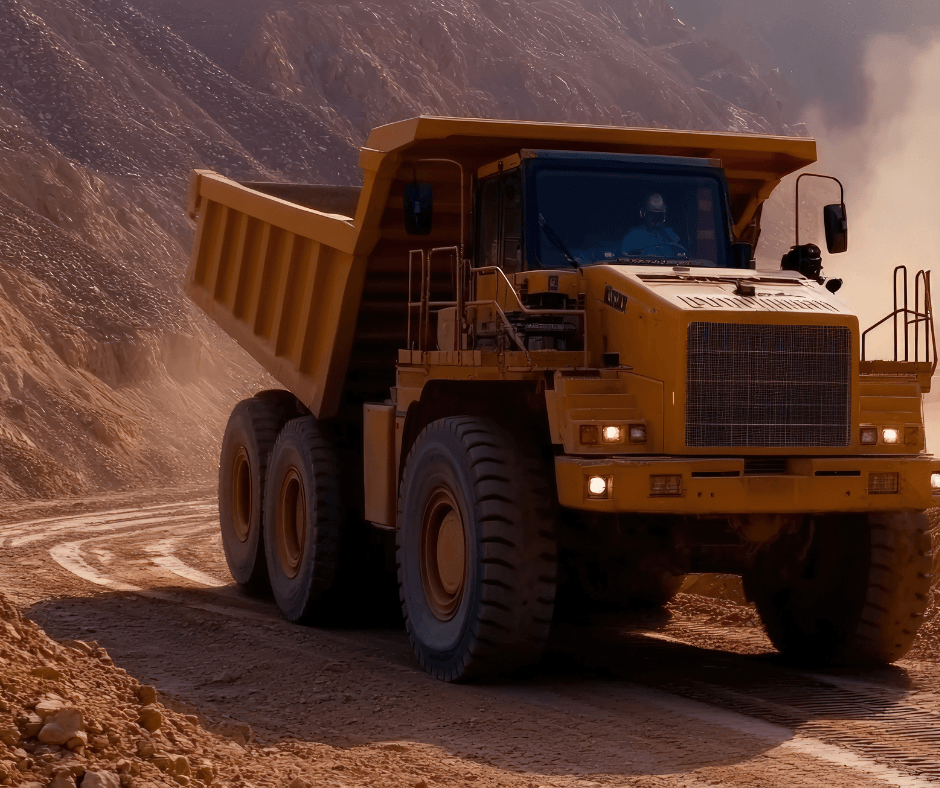
Haul roads are subjected to extreme punishment from fully loaded trucks weighing 80,000 pounds or more. A stabilized sub-base provides the immense load-bearing capacity required to prevent the constant degradation of these critical arteries, ensuring they remain operational and safe under the most demanding conditions.
For City and County Governments:
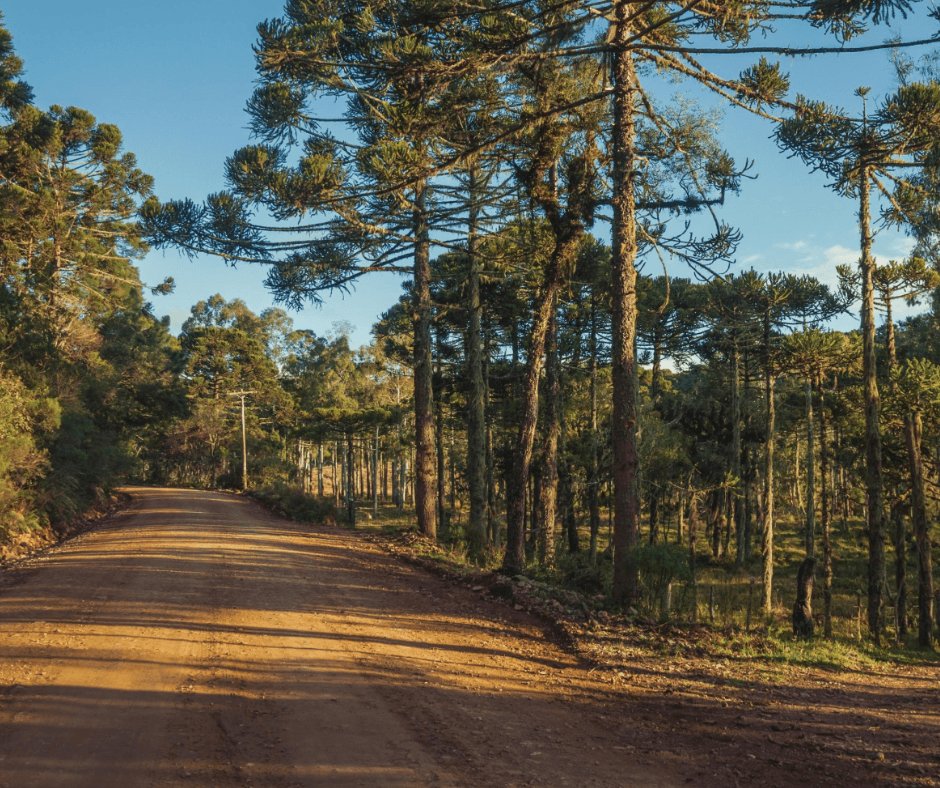
Rural roads and parking lots built on a stabilized foundation can support the weight of heavy agricultural equipment, emergency vehicles, and school buses without the rapid formation of potholes and ruts that plagues traditionally built unpaved roads.
This foundational strength is the first and most critical step in creating a surface that is built not just for today, but for decades to come.
The All-Weather Promise: Impermeability and Safe, Stable Access
The single greatest enemy of any road is water. In a traditional driveway, water is an invasive force. It soaks into the sub-base, lubricating the soil and aggregate particles and dramatically reducing their strength. This saturation is what turns a firm surface into a soft, muddy mess, leading to deep ruts and vehicles getting stuck.
A stabilized soil surface is engineered to win this battle against water. The polymer-bonded structure is highly impermeable. When rain falls, it does not soak into the base. Instead, it behaves as it would on pavement, sheeting cleanly off the crowned surface into ditches or designated drainage areas. The sub-base remains dry, dense, and strong, regardless of the weather.
This all-weather performance is the key to providing safe, stable ingress and egress—a non-negotiable requirement for any functional property.
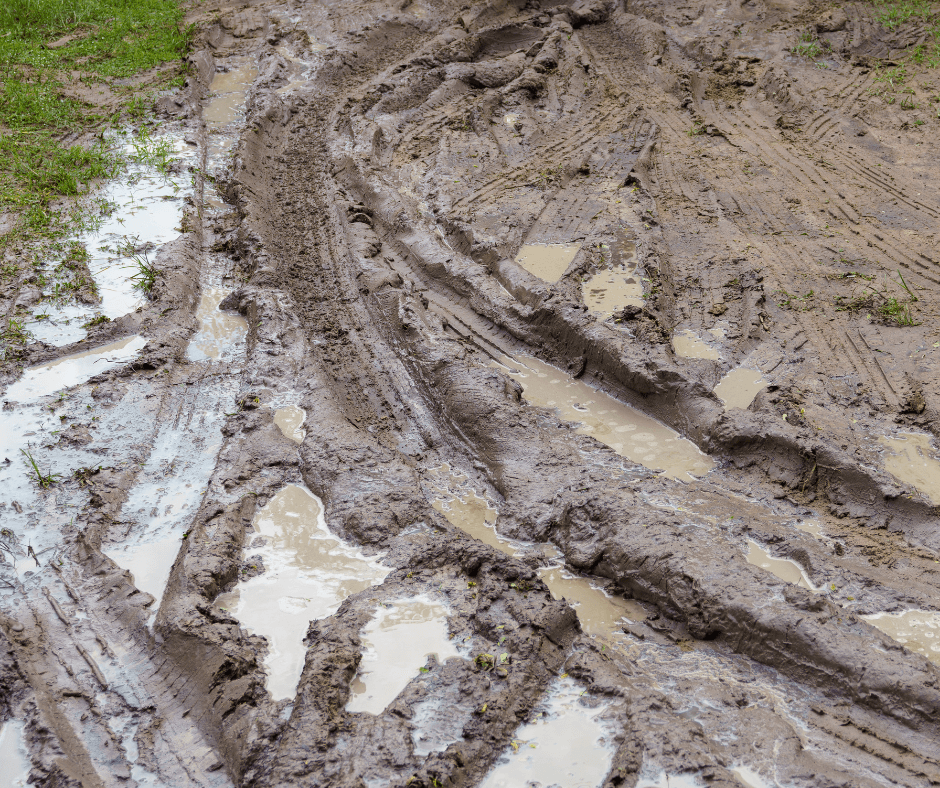
For a residential development or RV park, this means residents and guests never have to worry about getting stuck in the mud after a storm. The entrance remains pristine and fully functional, ensuring a positive experience and uninterrupted access.
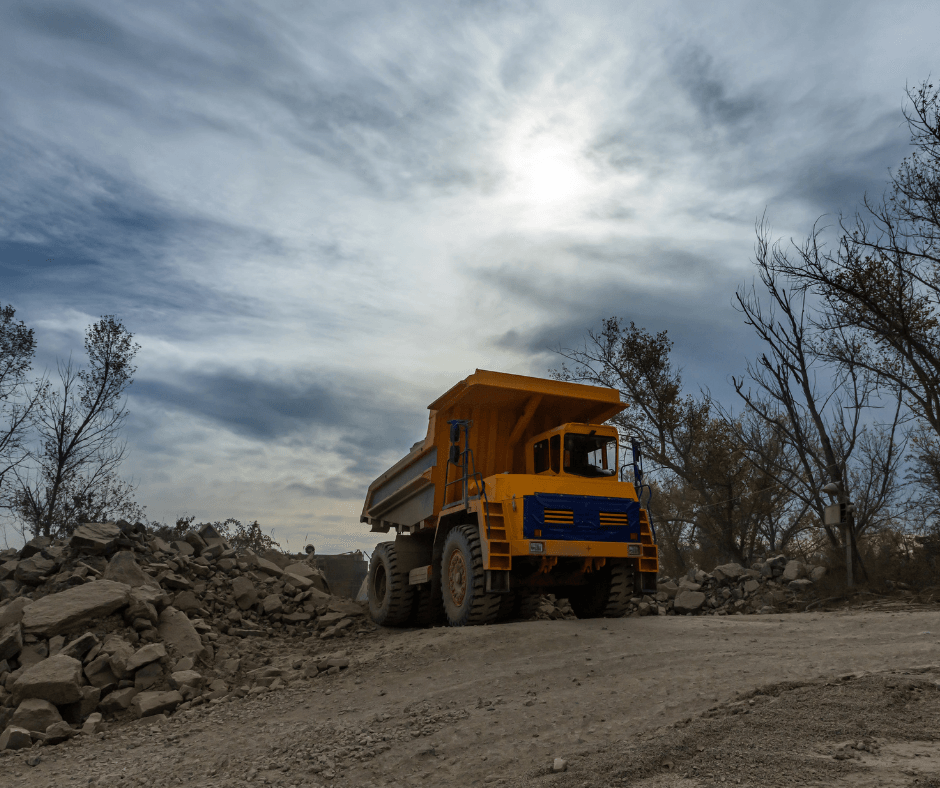
For a mining operation or construction site, this reliability is mission-critical. Weather-related shutdowns due to impassable roads can cost tens or hundreds of thousands of dollars per day in idle crews and equipment. An all-weather, stabilized access road insulates the project timeline and budget from this significant risk.
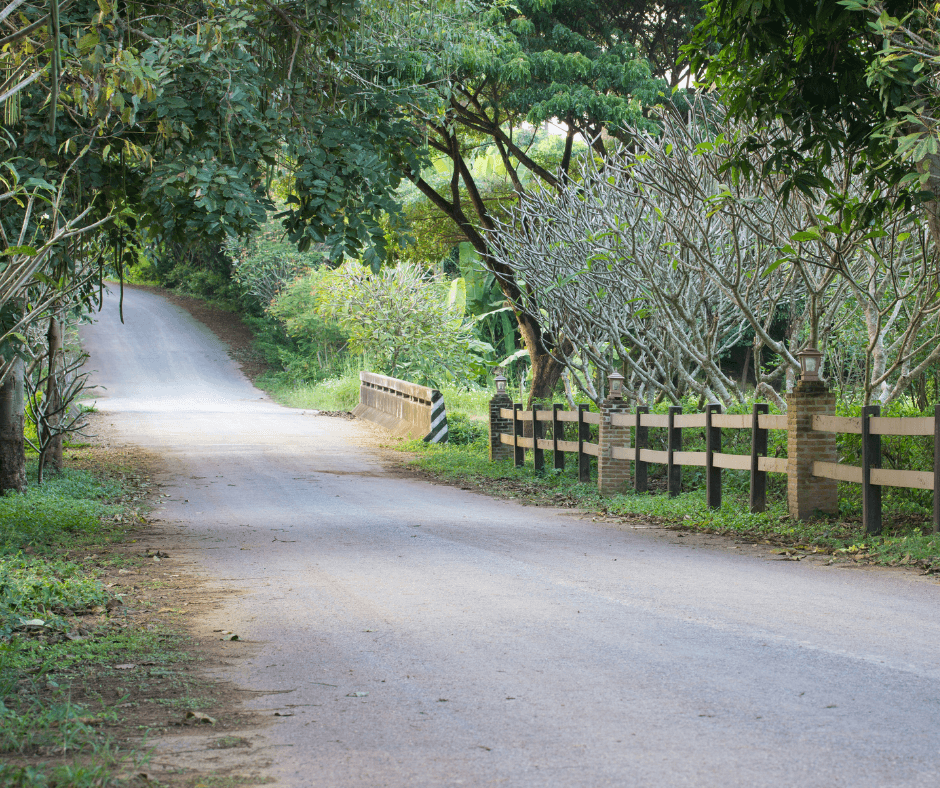
For a municipality, it ensures that rural residents are not cut off from main roads and that emergency services can reach them in any conditions.
By creating an impermeable surface, you are effectively building a permanent bridge over the problem of mud, guaranteeing that your driveway or road is an asset that performs 365 days a year.
The Art of the Driveway: Dust-Free, Natural Aesthetics
While strength and durability are paramount, the visual appeal of a driveway or road network is what defines the character of a property. For too long, the choice has been between a perpetually dusty and messy gravel surface or the harsh, industrial look of black asphalt or gray concrete. Soil stabilization offers a third, and often superior, option.
Because the process binds all the fine particles together, a stabilized surface is inherently dust-free. The same forces that prevent mud in the winter prevent dust in the summer.
This is a massive quality-of-life improvement for homeowners, who no longer have to deal with a layer of grit on their cars, windows, and outdoor furniture.
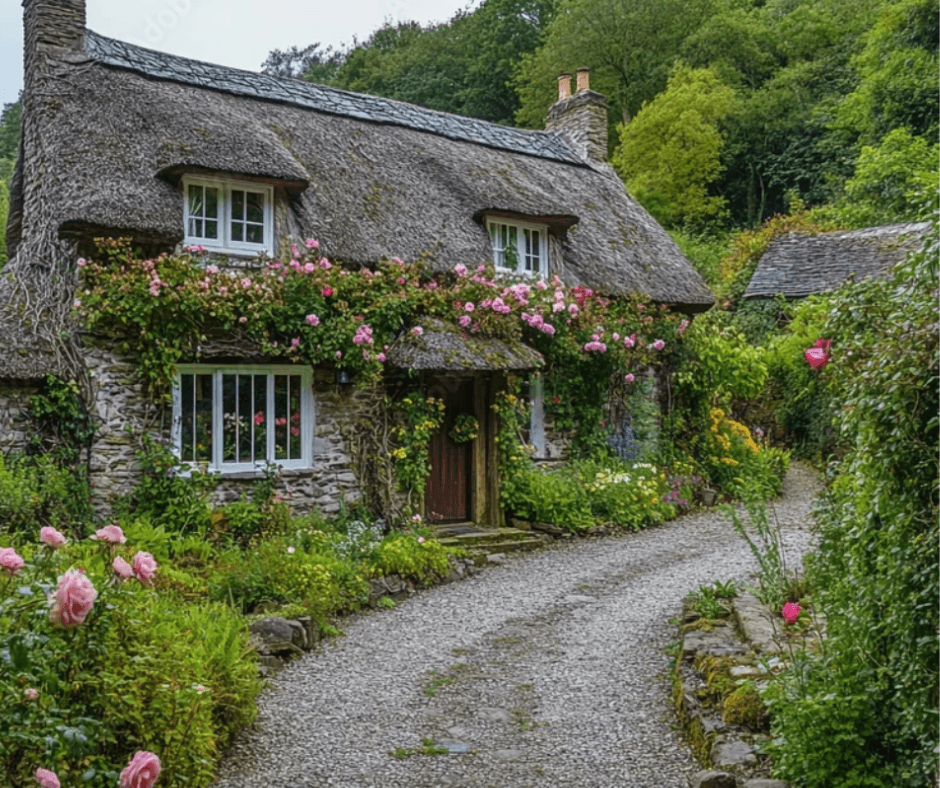
For RV parks and campgrounds, it creates a clean, pleasant environment where guests can enjoy the outdoors without a constant haze of dust.
For mining and industrial sites, eliminating airborne dust is a critical component of worker health, environmental compliance, and being a good neighbor to the surrounding community.
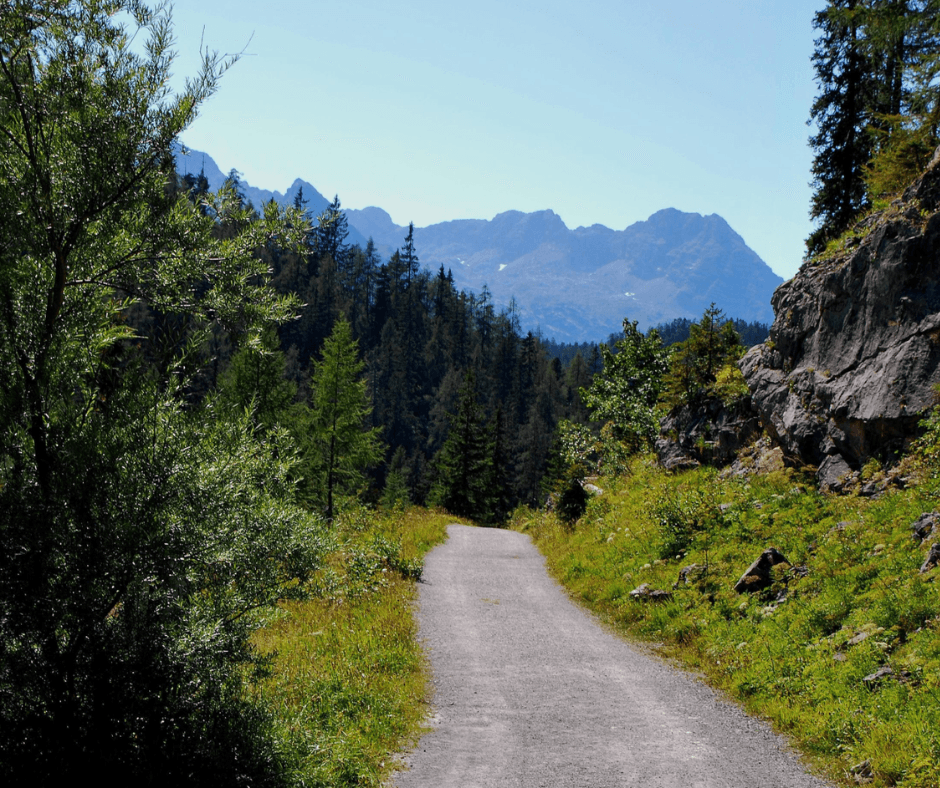
Beyond being clean, a stabilized driveway can be aesthetically beautiful. The process typically utilizes the native, on-site soil or a locally sourced aggregate. This allows the finished surface to have a natural, earth-toned appearance that harmonizes with the surrounding landscape. Instead of a stark black ribbon of asphalt cutting through a natural setting, you get a surface that feels organic and integrated.
This "natural look" is a significant value-add for developers looking to create a premium, eco-conscious community or for a campground wanting to maintain a rustic, close-to-nature feel. It is the perfect marriage of rugged, all-weather performance with a sophisticated and understated appearance.
The Masterpiece Realized: A Synthesis of Strength, Reliability, and Beauty
The journey from a mud pit to a masterpiece is a story of smart engineering. It’s about recognizing that a driveway or access road is a critical piece of infrastructure that deserves the same level of planning and innovation as the buildings it serves.
By focusing on the sub-base, you are not just solving a surface-level problem; you are implementing a holistic solution that delivers a powerful trifecta of benefits:
Unmatched Strength: Creating a powerful foundation that can withstand heavy loads and resist degradation for years.
All-Weather Reliability: Engineering an impermeable surface that guarantees safe and stable access regardless of rain, snow, or mud.
Clean and Natural Aesthetics: Delivering a beautiful, dust-free surface that enhances property value and complements the natural environment.
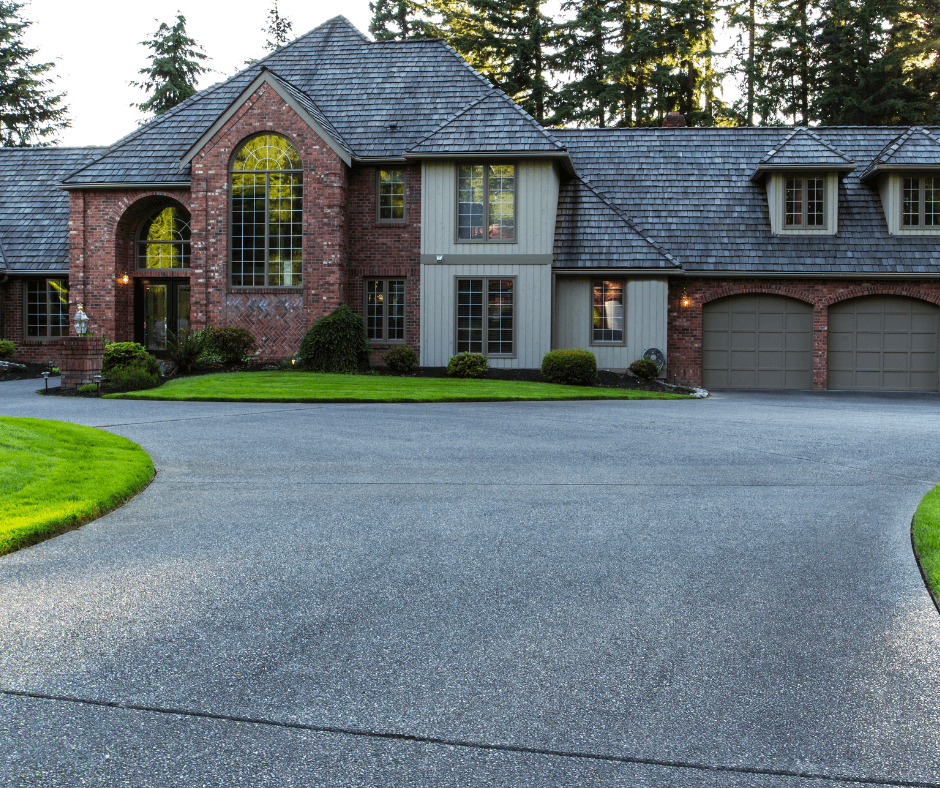
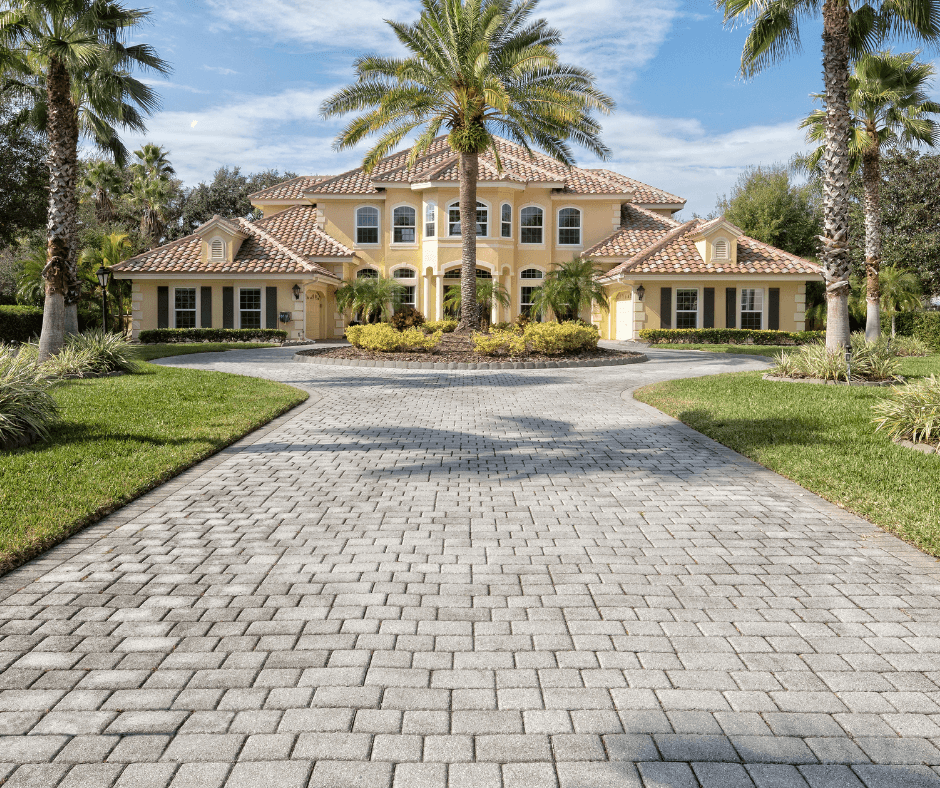
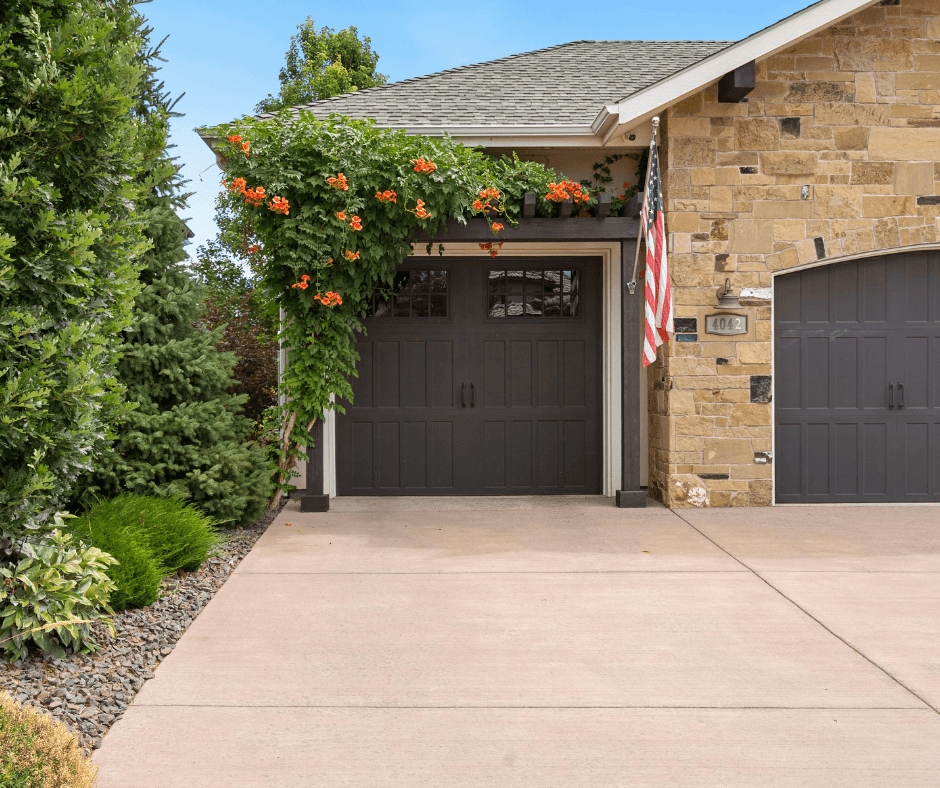
For any developer, project manager, or public works director, the entrance to your property is too important to be a source of constant problems. It should be a statement of quality, a symbol of reliability, and a welcoming path for all who use it. Through the science of soil stabilization, you can ensure that your first impression is not just good—it’s a masterpiece.