
The Soil Whisperer's Secret
Greener Trails, Stronger Courts, and Safer Playgrounds, Built to Last for Generations
Envision the ideal community park. It’s a vibrant tapestry of green fields, winding nature trails, and bustling playgrounds. It’s a place where families gather for picnics, children laugh on the swings, and residents find a peaceful escape from the concrete and asphalt of daily life. This vision is the goal of every city planner, parks department, and real estate developer aiming to create not just buildings, but communities.
Yet, the reality of many public spaces often falls short of this ideal. We see walking paths scarred by erosion after a single heavy rain, turning into muddy, impassable trenches. We see athletic fields closed for days, waterlogged and unusable. We see playgrounds surrounded by cracked, unforgiving pavement that radiates heat and feels completely disconnected from the natural world it’s meant to celebrate. The culprit, time and again, is not a lack of vision, but a failure of the ground itself.
For decades, the approach to building these spaces has been a choice between two flawed options: use minimally treated dirt and gravel that quickly fails, or install expensive, environmentally harsh pavement that detracts from the park's natural beauty.
But a third option is redefining what’s possible for our community spaces. The secret to achieving the idyllic vision of a park that is both beautiful and enduring lies not in the surface we see, but in the unseen foundation beneath. By embracing modern soil stabilization technology, we can create greener, more resilient, and more inviting public spaces, finally delivering on the promise of what a community park should be.
The Unseen Foundation:
Why Traditional Park Surfaces Fail
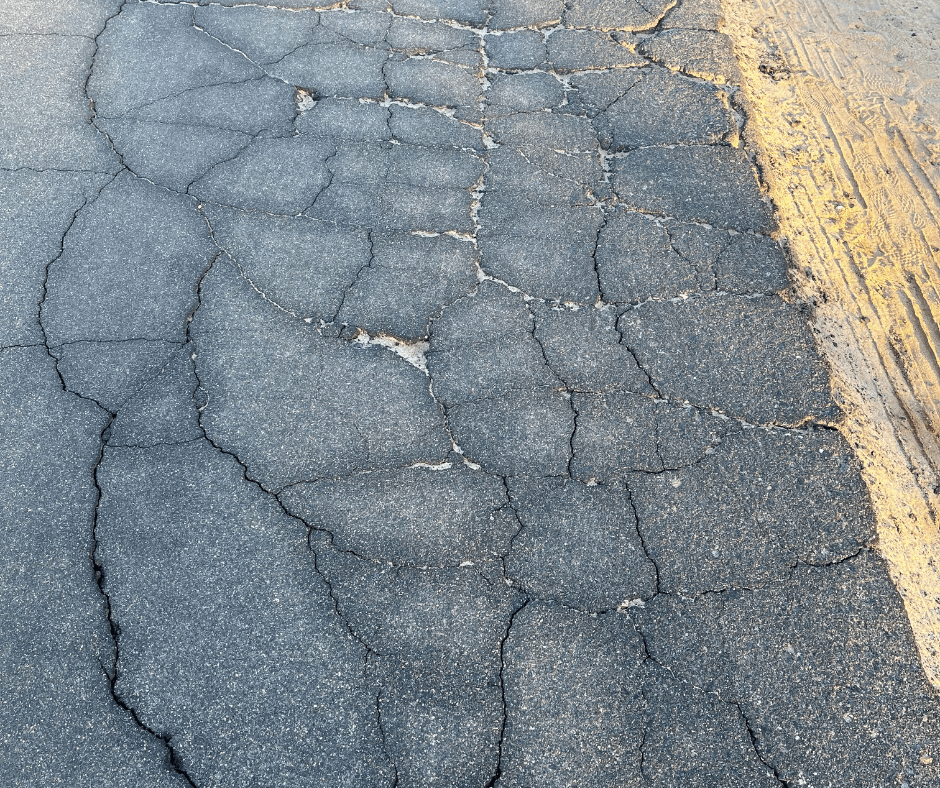

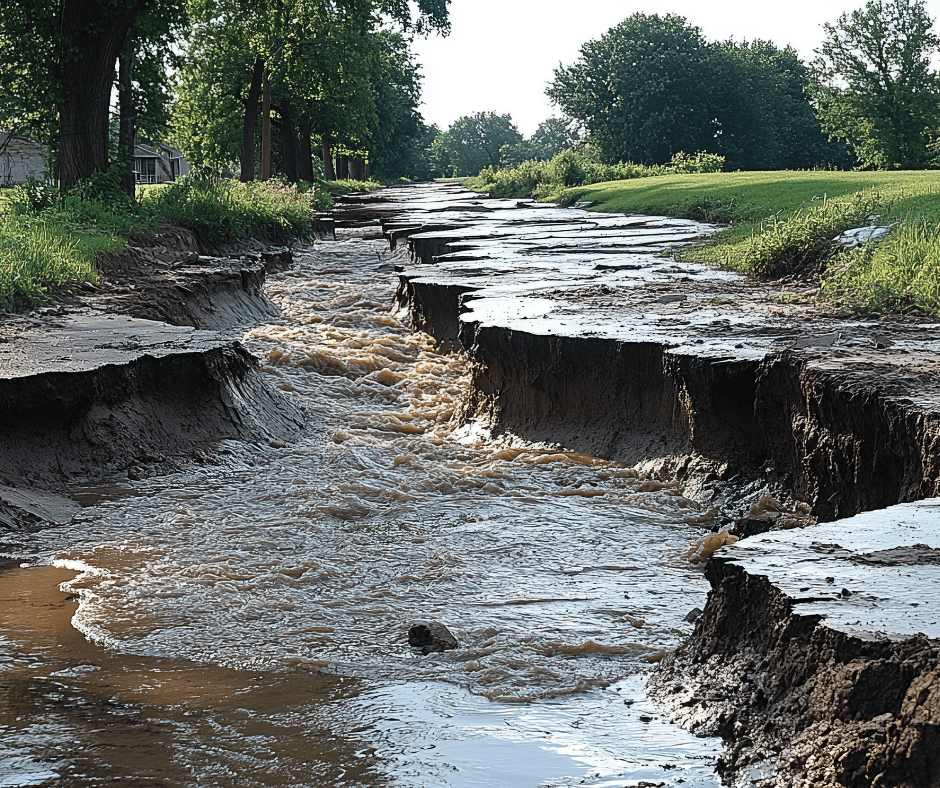
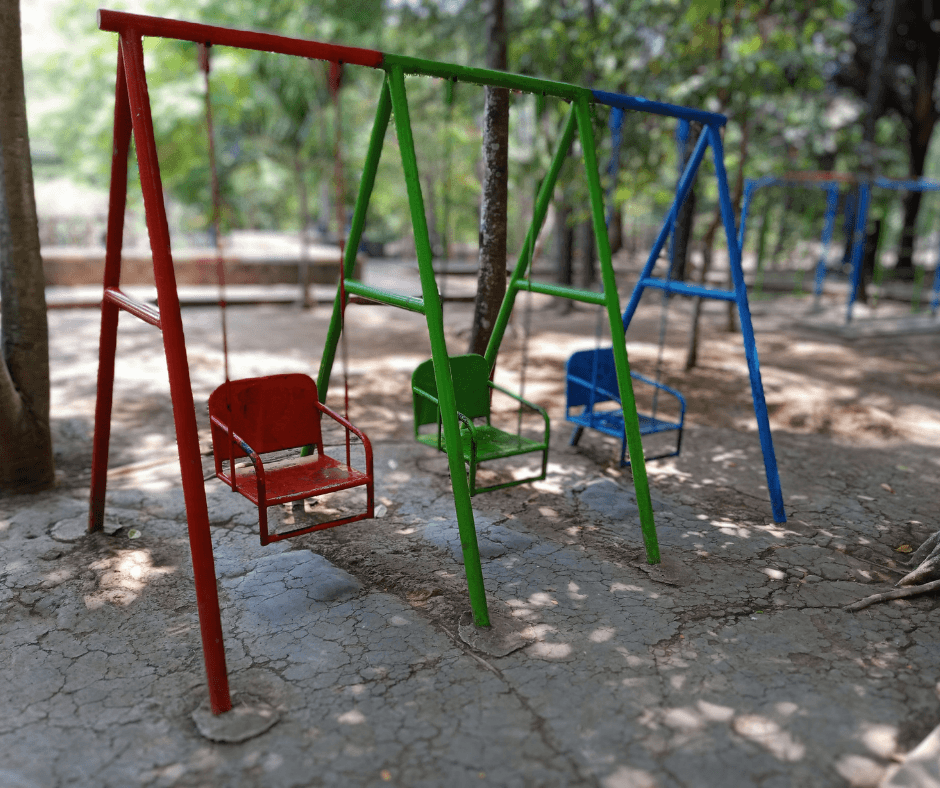
The persistent challenges of park maintenance, the endless cycle of repairs, the constant budget strain, and the frequent facility closures, almost always trace back to a single root cause: an unstable sub-base. The ground beneath our trails, fields, and common areas is dynamic. Without proper engineering, it is vulnerable to the forces of water, traffic, and weather.
Traditional construction methods for park surfaces each have their Achilles' heel:
Compacted Dirt & Decomposed Granite (DG): While aesthetically pleasing and affordable upfront, these materials are unbound. The individual particles are simply pressed together. When it rains, water washes them away, leading to severe erosion on sloped trails and creating muddy quagmires in flat areas. In dry conditions, they become a source of dust, and under foot traffic, they quickly develop ruts and dangerous soft spots. This necessitates constant re-grading and material replacement, a significant drain on maintenance budgets.
Imported Aggregate/Gravel: A layer of gravel offers better drainage but suffers from the same fundamental weakness. The stones are unbound and easily displaced by foot traffic, bicycles, and maintenance vehicles. This leads to the formation of ruts, potholes, and the dreaded "washboard" effect, creating an uneven and unsafe surface that is particularly challenging for strollers and wheelchairs.
Asphalt and Concrete: While durable, pavement is a brute-force solution with major drawbacks. It is expensive to install, has a significant carbon footprint, and contributes to the urban heat island effect, making spaces hotter in the summer. Furthermore, it creates toxic stormwater runoff, and when it inevitably cracks and fails, repairs are costly and invasive. Aesthetically, it creates a harsh, artificial barrier that is the very antithesis of a natural park setting.
The common thread is that these methods either fail to control water or they fight against nature in a way that is unsustainable. The result is a perpetual state of costly, reactive maintenance.
Engineering Nature:
A Predictable Foundation for Every Surface
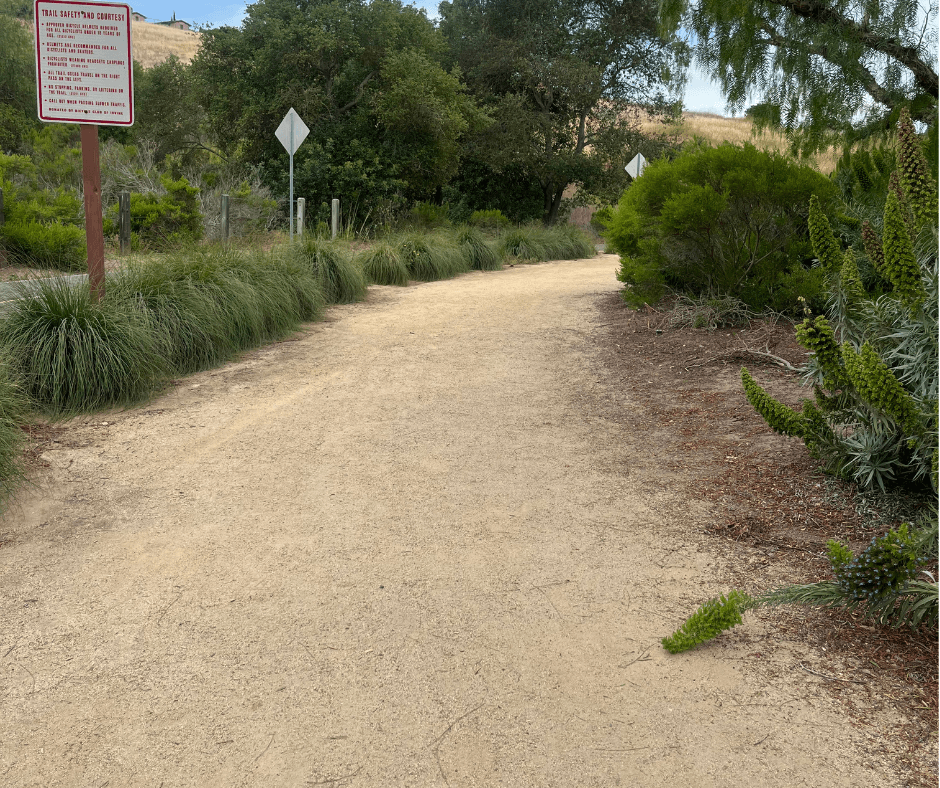
The revolutionary alternative is to work with the native soil on-site, transforming it from an unpredictable variable into a high-performance, engineered asset. This is the function of soil stabilization. By introducing an advanced co-polymer resin, like that deployed by Green Roads Project, the in-situ soil is fundamentally altered.
The process is remarkably efficient. The polymer is mixed into the top several inches of the existing soil and compacted. As it cures, it forms a powerful, water-resistant, and cohesive bond between the soil particles. The ground is no longer a collection of loose dirt; it becomes a single, unified, semi-rigid slab with a high load-bearing capacity.
This creates a predictable sub-base, a perfect, uniform canvas that provides the structural integrity needed for any playground or athletic field surface. The benefits of this approach over traditional methods are immediate and profound.
First, it enables a massive reduction in imported aggregate. The age-old "remove and replace" method, whereby tons of native soil are excavated and hauled to a landfill, only to be replaced by tons of quarried stone, is rendered obsolete. By strengthening the soil that’s already there, the need for a thick, load-bearing gravel layer is eliminated. This is a monumental win for budgets and the environment. The direct cost savings on material and trucking are substantial, and the project’s carbon footprint is dramatically reduced.
Second, this superior foundation is the key to the longevity and performance of all top surfaces:
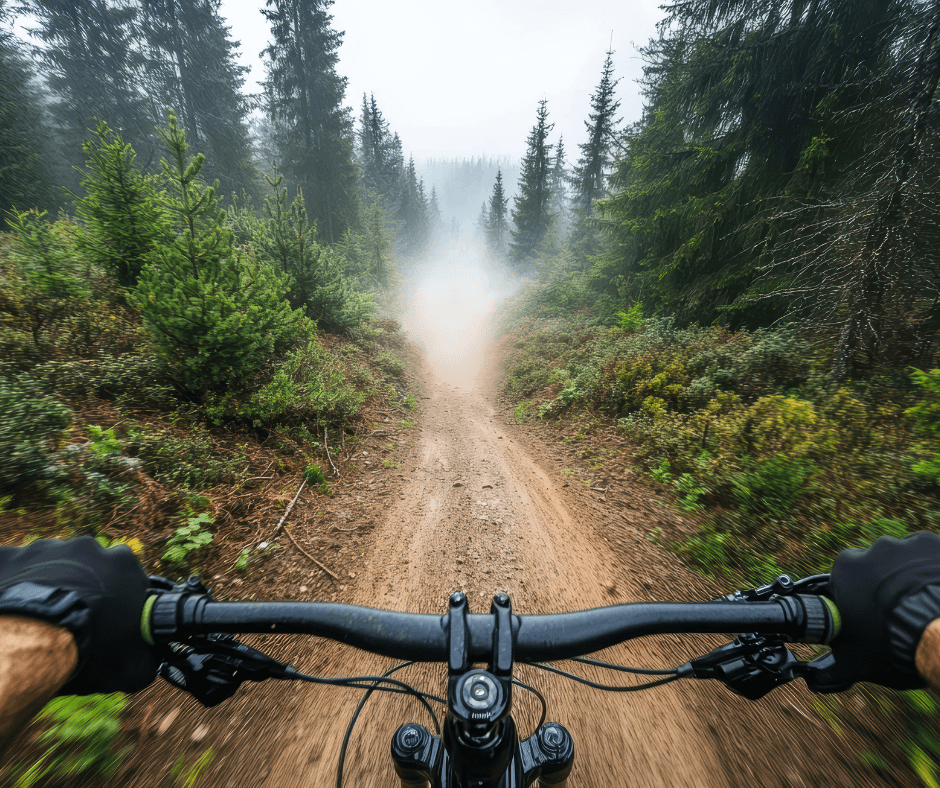
For Walking, Hiking, and Biking Trails:
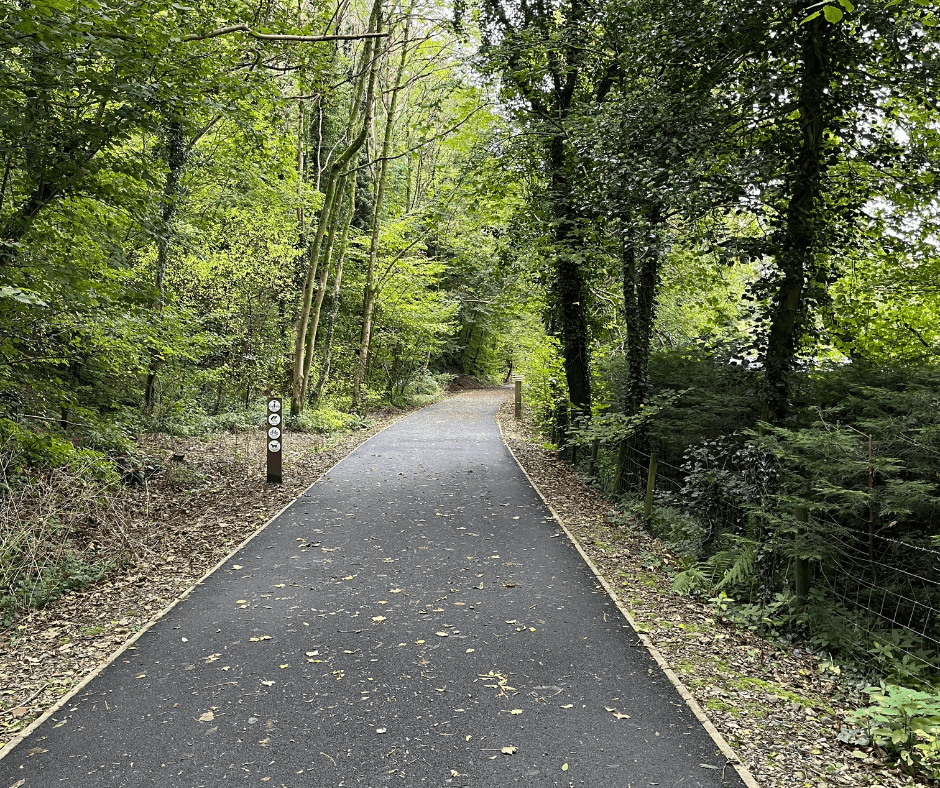
A stabilized soil base creates a trail that is smooth, durable, and resistant to erosion. It can be left as a natural-looking finished surface or act as a waterproof foundation for a topcoat of decorative gravel or mulch. The result is an ADA-compliant trail that remains safe and accessible year-round, without the ruts and washouts that plague traditional paths.
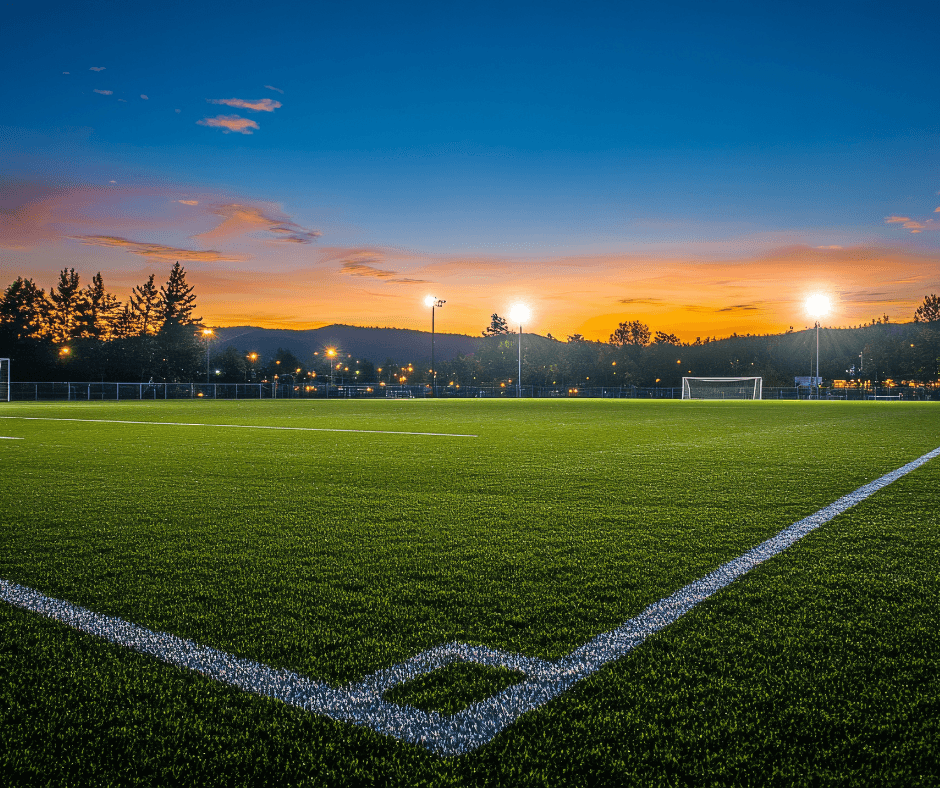
For Athletic Fields:
For both natural and artificial turf, the quality of the base is paramount. A stabilized foundation provides a perfectly graded, unyielding base that won't develop the soft spots or depressions that can lead to injuries of athletes and spectators alike. For expensive artificial turf systems, a waterproof, stabilized base is the ultimate insurance policy, preventing the sub-base saturation that can void warranties and lead to premature failure of the entire field.
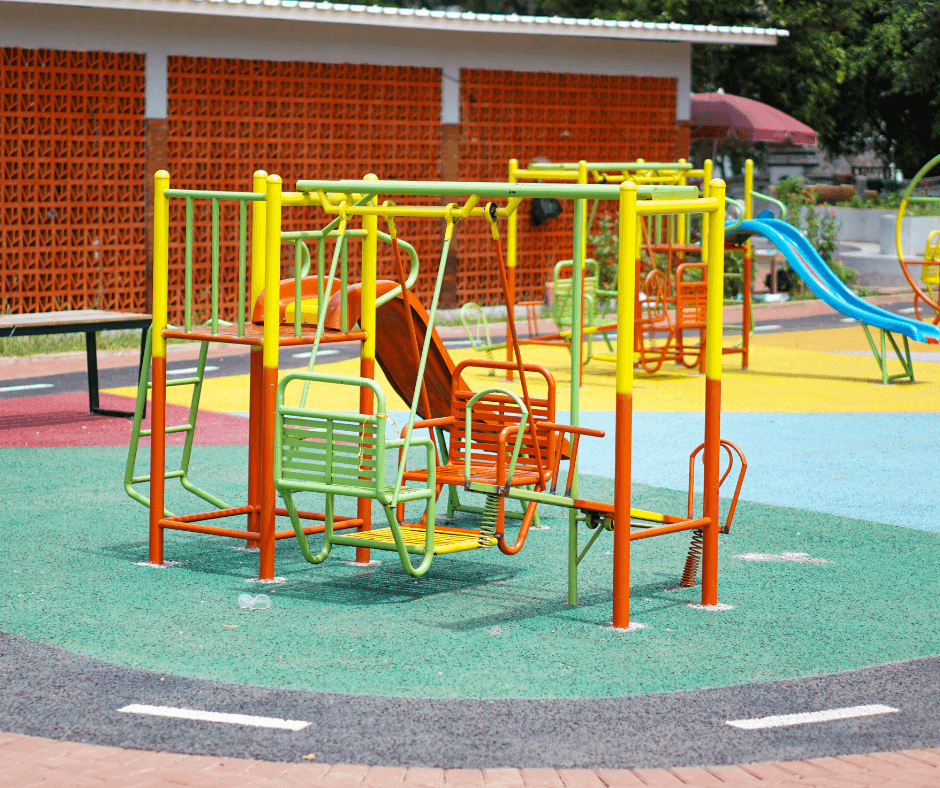
For Playgrounds and Common Areas:
The ground beneath playground equipment must be absolutely stable. A stabilized base ensures that footings remain secure and that the entire area has a solid foundation for the required safety surfacing, be it wood chips, rubber mulch, or poured-in-place rubber.
The Power of Impermeability:
Designing for Longevity and Low Maintenance
Perhaps the most transformative benefit of a stabilized soil base is its resistance to water. As stated, water is the primary destructive force in any outdoor environment. An engineered, polymer-bonded surface is highly impermeable, meaning water does not soak through; it sheds cleanly off the surface into designed drainage areas.
This single property is the key to breaking the cycle of constant maintenance.
By winning the war against water, parks & rec departments, as well as developers see a cascade of long-term benefits:
Erosion is Eliminated: Trails no longer need to be rebuilt after every major storm. The stabilized surface holds its form and integrity, saving thousands in labor and material costs.
Fields Remain Playable: Grass or turf fields built on a waterproof base drain efficiently, allowing them to be used much sooner after a rainstorm. This maximizes their usability for the community, a critical metric for any public facility.
The Lifespan of Top Surfaces is Extended: When the foundation is dry and stable, the surface layer—whether it's expensive artificial turf or a simple DG path—is not subjected to the destructive forces of a saturated, shifting base. This protects the initial investment and extends its functional life for years.
Dust is Controlled: In dry seasons, the bonded surface prevents the native soil from becoming airborne dust, improving air quality and creating a more pleasant experience for park visitors without the need for constant watering.
This translates into a dramatic shift in budgeting. Instead of allocating huge sums to reactive, cyclical maintenance, funds can be redirected toward new projects and amenities. It’s a transition from a short-term, high-cost maintenance model, to a long-term, low-cost asset management strategy.
Building Healthier, Happier, and More Resilient Communities
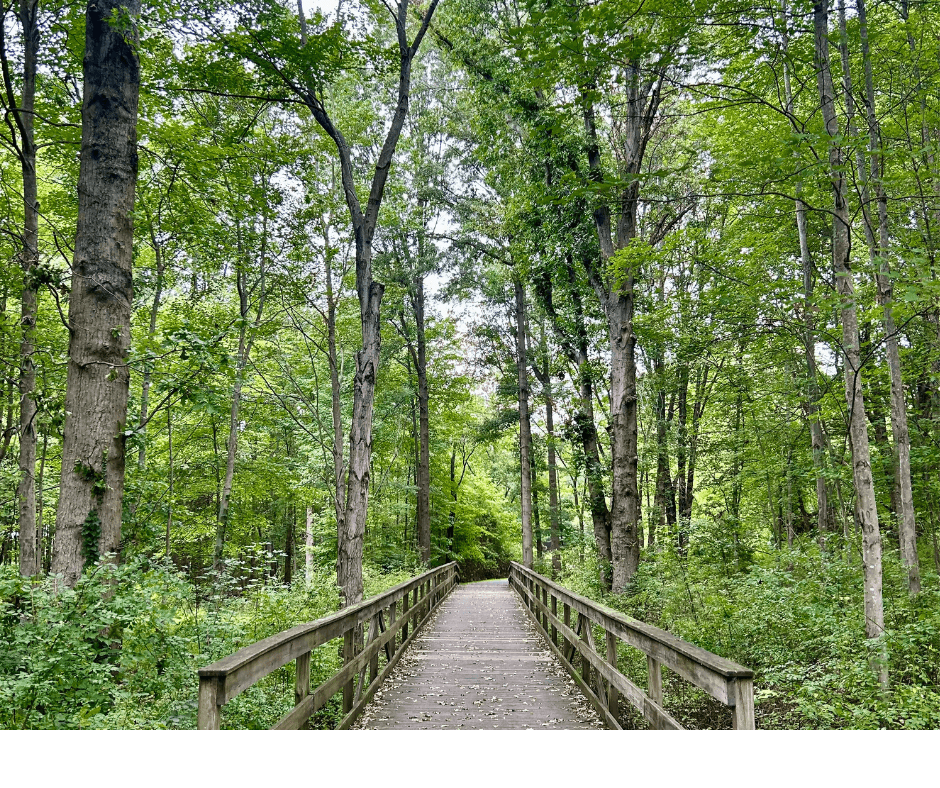
The decision to move away from traditional pavement and unstable gravel is more than a technical or financial one; it’s a choice that directly impacts the quality of community life.
Aesthetically, using stabilized native soils allows parks to blend harmoniously with their natural surroundings. The harsh, black heat-absorbing asphalt is replaced with natural earth tones that feel organic and inviting, reducing the urban heat island effect and creating a more comfortable microclimate.
Functionally, these smooth, durable surfaces promote accessibility and equity. They create paths of travel that are safe and easy to navigate for elderly residents, parents pushing strollers, and individuals using wheelchairs, kids learning to ride bikes, ensuring that the park is truly a space for everyone.
For city governments and developers, this approach is the hallmark of fiscal and environmental responsibility. It demonstrates a commitment to building sustainable, resilient infrastructure that provides the best possible value to the community over the long term attracting new residents and tourists.
The Secret is Out
The secret to creating greener, more inviting community spaces is not a secret at all. It is a conscious decision to embrace smarter engineering from the ground up. It’s the understanding that a predictable foundation is the key to performance, that water resistance is the key to longevity, and that using the resources already on-site is the key to sustainability.
By moving beyond the limitations of pavement and compacted dirt, we can finally build the parks our communities envision and deserve: beautiful, accessible, and enduring spaces that will serve residents for generations to come.