
Stuck in the Mud
How Unstable Access Roads Halt Million-Dollar Energy Projects
Believe it or not, it really does rain in California. For the sprawling commercial solar farms that dot the landscape from the Mojave to the Central Valley, a clear sky is the engine of production. Most of the time, weather is a predictable asset. But when a multi-million-dollar repowering project is underway—a complex logistical ballet of cranes, semi-trucks, and skilled technicians begins and a sudden downpour can bring the entire operation to a grinding, muddy halt.
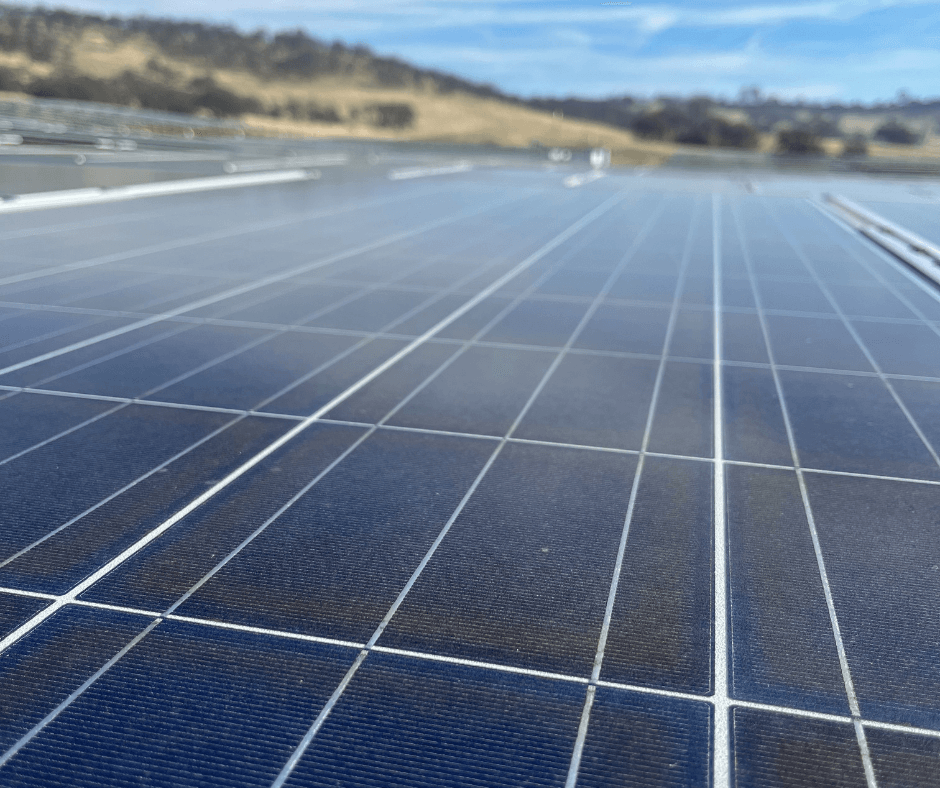
It’s a scenario that plays out more often than energy stakeholders would like to admit. A fleet of trucks loaded with state-of-the-art solar panels is scheduled to arrive. A crew of highly-paid specialists is on the clock, ready to swap out the old, degraded modules. The timeline is tight, and every hour is meticulously planned. Then, the sky opens up. The dirt access roads, baked hard and dusty just days before, transform into impassable quagmires. Heavy trucks sink to their axles, cranes can’t safely navigate the site, and the entire project is stuck. The clock is ticking, the costs are mounting, and it’s all because of a little mud.
This critical vulnerability exposes a foundational weakness in many large-scale energy projects: the access road is often treated as an afterthought. But for a mission-critical facility, that humble dirt path is the artery that keeps the entire operation alive. When it fails, the financial and logistical consequences can be catastrophic.
What Makes Up a Typical Access Road? The Anatomy of a Failure
To understand why these failures are so common, we need to look at how most temporary and permanent unpaved roads are constructed on energy sites. The methods are traditional, time-tested, and, under the pressures of modern logistics and extreme weather, often inadequate.
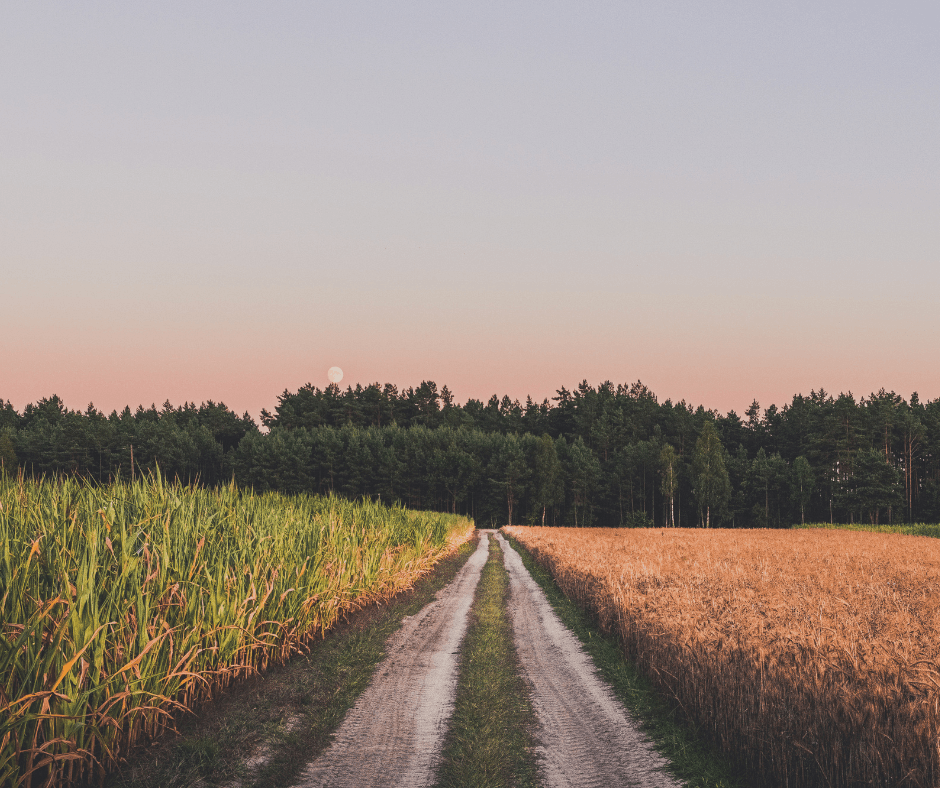
A typical access road is usually built from one of the following:
Compacted Native Soil: The most basic approach involves simply grading the existing dirt on-site to create a path. While fast and cheap initially, this method is notoriously unreliable. The load-bearing capacity is low, and without any binding agent, the soil particles are at the mercy of the elements. Water supersaturates the soil, turning it into the deep, viscous mud that traps vehicles. In dry conditions, the same road becomes a major source of fugitive dust, which can reduce panel efficiency, violate air quality regulations, and cause premature wear on equipment.
Imported Aggregate or Gravel: The next step up is to import and lay down several inches of crushed rock, gravel, or aggregate (like a DG, or decomposed granite, road). This provides a more stable surface and better drainage than native soil alone. However, under the constant stress of heavy-haul trucks, which can weigh over 80,000 pounds, the aggregate is quickly displaced. This leads to common problems like:
Rutting: The tires of heavy vehicles push the gravel aside, creating deep ruts that collect water and make the road uneven and dangerous.
Wash boarding: A corrugated, rippling effect appears on the surface, creating intense vibrations that are brutal on vehicle suspensions and can be hazardous at speed.
Potholes: As the aggregate breaks down and is forced into the subgrade, potholes form, creating significant safety risks for drivers and equipment.
Water and Maintenance: The standard "solution" for these issues is constant, costly maintenance. Water trucks are brought in to spray down dusty roads in the summer, consuming a precious resource and offering only a temporary fix. In the winter, graders are deployed to fill in ruts and smooth out washboards after every storm. This cycle of degradation and repair is not only expensive but also disruptive to the project schedule.
These traditional roads fail because they are fundamentally unstable. They are simply a loose collection of materials held in place by gravity. They lack the cohesive, durable structure needed to support the intense demands of a modern energy project, leaving the entire operation vulnerable to the whims of the weather.
What Makes a Better Access Road? Building on Solid Ground
The alternative isn't about paving paradise with asphalt or concrete, which come with their own exorbitant costs and environmental drawbacks. The solution lies in working smarter with the materials already on site. A better access road is built using advanced soil stabilization technology, transforming the native earth into a durable, weather-resistant, and pavement-quality surface.
This is precisely the approach pioneered by the Green Roads Project. Using an advanced liquid co-polymer resin, the process fundamentally changes the nature of the access road.
Here’s how it creates a superior surface:
In-Situ Material Utilization: Instead of hauling away tons of native soil and hauling in tons of expensive aggregate, the existing on-site dirt becomes the primary building material. This immediately reduces trucking costs, fuel consumption, and the project's carbon footprint.
Molecular Bonding: The liquid co-polymer is mixed into the top several inches of the native soil and graded. As it cures, the polymer creates millions of microscopic bonds between the soil particles. It’s no longer a loose collection of dirt; it becomes a single, cohesive, and resilient mass.
Water Impermeability: This bonded structure is highly resistant to water penetration. When it rains, water doesn't saturate the road and turn it into mud. Instead, it sheets off the crowned surface into properly designed drainage ditches. The road remains solid, stable, and fully operational, even during or immediately after a significant weather event.
Enhanced Durability and Load-Bearing Capacity: A stabilized road has a significantly higher load-bearing capacity than a simple gravel road. It can easily withstand the repeated passage of heavy machinery like cranes, semi-trucks, and water tankers without rutting, washboarding, or falling apart.
Complete Dust Control: In dry weather, the problem is reversed but the solution is the same. Because the soil particles are bonded together, they cannot become airborne. This provides a permanent solution to fugitive dust, ensuring compliance with air quality standards, protecting solar panels from soiling, and creating a safer, healthier work environment.
Why Does It Matter? The Million-Dollar Domino Effect
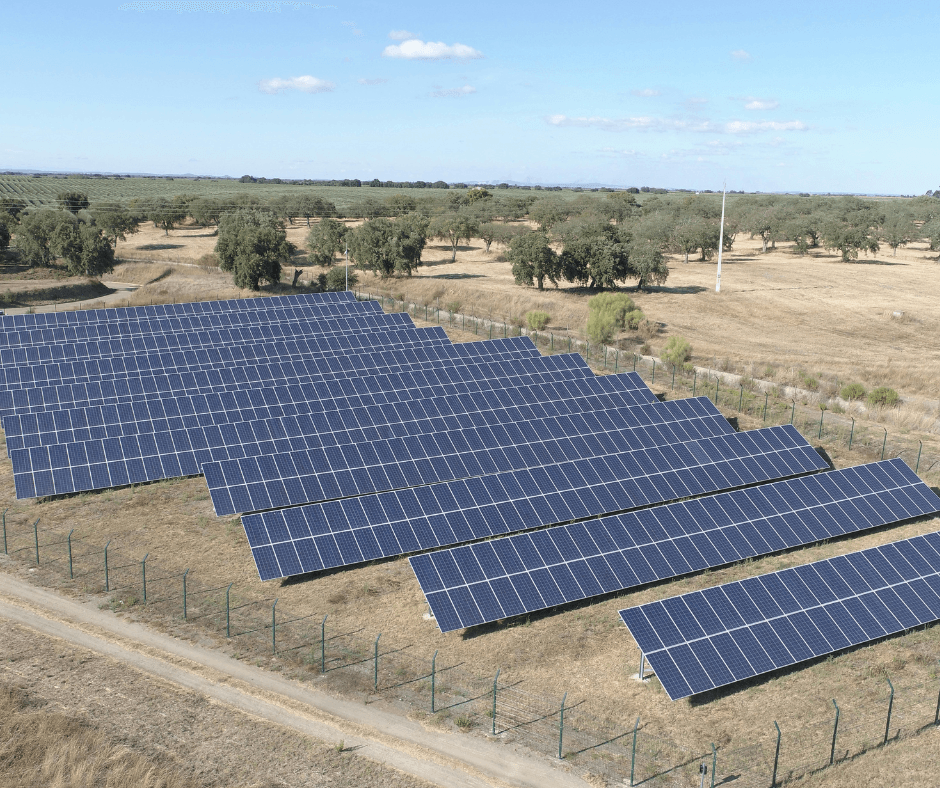
For a project manager overseeing a solar farm repowering, the stability of an access road isn't a minor detail—it's the lynchpin of the entire operation. When that lynchpin fails, it sets off a costly chain reaction.
Skyrocketing Standby Costs: The most immediate financial hit comes from idle resources. A crane and its operator can cost thousands of dollars per day. A specialized electrical crew can cost even more. When they are sitting in a hotel waiting for the ground to dry, the project owner is burning through the budget with zero progress to show for it. These standby costs can easily reach tens or even hundreds of thousands of dollars over just a few days of delay.
Crushing Logistical Delays: A repowering project is a masterclass in "just-in-time" logistics. Panels, inverters, and racking components are delivered on a precise schedule to minimize on-site storage and streamline installation. When access roads are impassable, that entire schedule collapses. Trucks get backed up, creating a logistical nightmare. This can trigger penalties from shipping companies and throw the entire project timeline into disarray.
Compromised Safety and Increased Risk: Mud is more than an inconvenience; it’s a serious safety hazard. The risk of heavy machinery slipping, getting stuck, or even rolling over increases exponentially on unstable ground. This not only endangers personnel but also puts multi-million-dollar equipment at risk. A single accident can lead to devastating injuries, expensive damages, and major project shutdowns for investigations.
Violating Environmental Compliance: Unstable roads create significant environmental risks. Muddy runoff during a storm can carry sediment into local waterways, violating the project’s Stormwater Pollution Prevention Plan (SWPPP) and leading to hefty fines from regulators. Similarly, the fugitive dust generated by traditional dirt roads can violate local air quality mandates, resulting in stop-work orders until the issue is mitigated.
Long-Term Operational Headaches: The access road isn't just for construction; it's needed for the entire 25-30 year lifespan of the facility. A poorly built road will require constant, expensive maintenance. Every time a grader or water truck has to be called out, it adds to the operational expenditure (OpEx) of the site, slowly eroding the project’s long-term profitability.
When you add it all up, the decision to cut corners on the access road is a classic example of being "penny wise and pound foolish." The few thousand dollars saved upfront can end up costing millions in delays, repairs, and lost productivity down the line.
The Road Ahead is a Choice
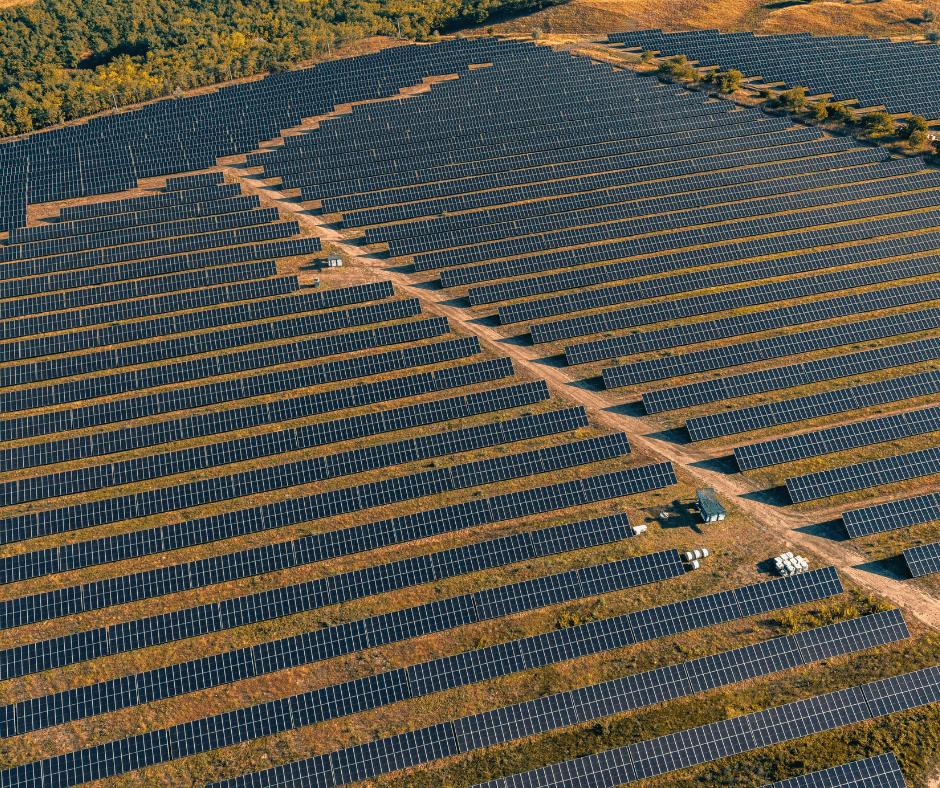
The future of energy is about resilience—building facilities that can withstand a changing climate and operate with maximum efficiency. That resilience starts from the ground up. The humble access road is no longer a detail to be overlooked; it is a critical piece of infrastructure that dictates the success, safety, and profitability of any large-scale energy project.
Project managers and asset owners have a choice. They can continue to roll the dice with traditional methods, hoping the weather cooperates and budgeting for the inevitable delays and repairs. Or, they can invest in a modern, engineered solution that turns the ground beneath their feet into a reliable, all-weather asset. By eliminating the variable of mud and dust, they aren’t just building a road; they are building a foundation for success.
A Green Roads stabilized surface isn’t just a better dirt road; it’s an engineered foundation for the entire project. It’s a predictable, all-weather asset that eliminates the variable of weather-related access issues.