The Great Washout
How to Keep Your Town’s Trails from Disappearing
For every city planner, real estate developer, or park manager, the grand opening of a new trail system is a moment of civic pride. It represents a promise fulfilled, a new artery for community health, a quiet escape into nature, and a valuable amenity that makes a neighborhood a more desirable place to live. Families, hikers, and their pets flock to the new paths, enjoying the fresh air and pristine surroundings.
Then, a major storm hits.
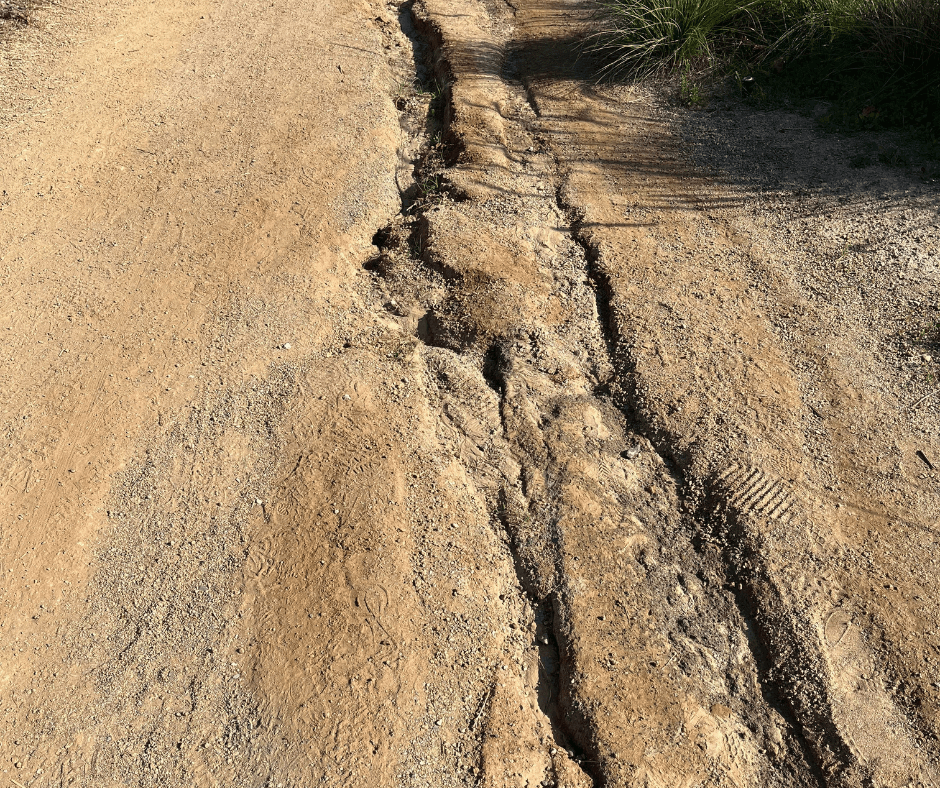
What follows is a scene of frustrating familiarity. The "Great Washout." The beautifully graded paths of decomposed granite or native soil are transformed into a landscape of miniature canyons. Gullies are carved deep into the slopes, mulch is washed away in piles, and low-lying areas become impassable mud pits. The once-pristine trail is now a hazardous, eroded mess. "TRAIL CLOSED" signs are posted, and the community asset becomes a public liability.
Thus begins the costly, reactive cycle of maintenance: dispatching crews, trucking in new material, re-grading, and re-compacting, all while knowing that the very next storm will simply do it all over again.
This endless loop of construction, destruction, and repair is not an unavoidable cost of managing public spaces. It is a failure of engineering. Traditional trail-building methods rely on loose, unbound materials that are fundamentally unequipped to handle their number one enemy: water.
The solution is not to budget for endless repairs. The solution is to build the trail correctly the first time, using modern science to create a surface that is not just resistant to weather, but virtually immune to it. By embracing soil stabilization, we can finally stop the washout, slash maintenance budgets, and build the green, clean, and safe trails our communities deserve.
The Fatal Flaw of Traditional Trails
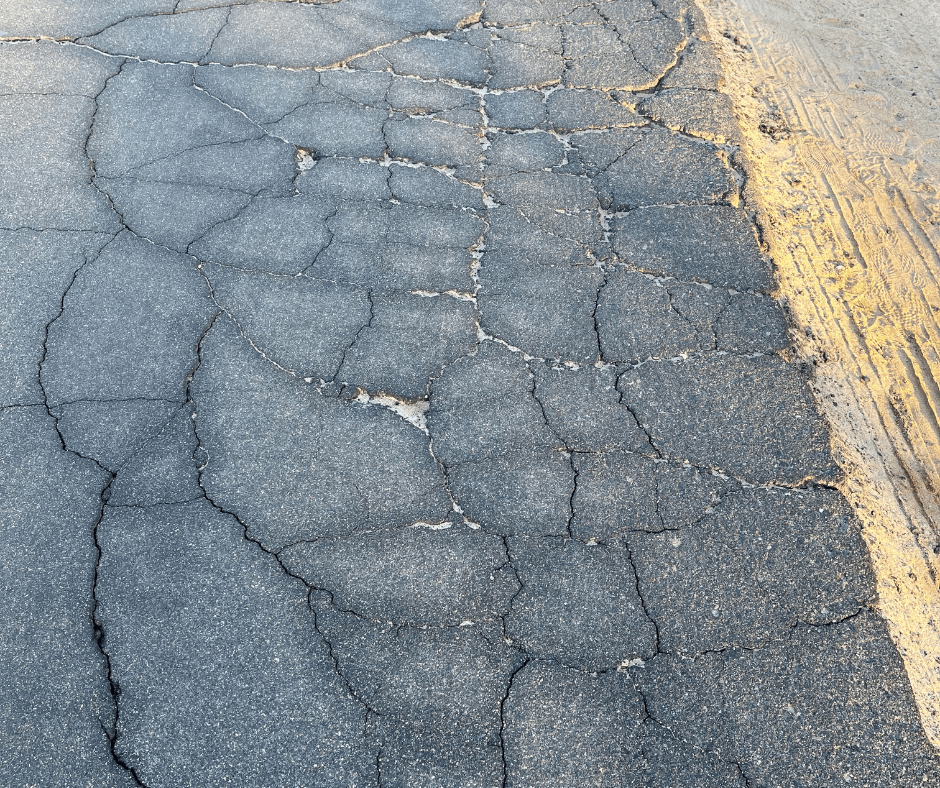
The root of the problem is that materials like compacted dirt, gravel, or decomposed granite (DG) rely on a single, weak force: friction. Compaction simply presses these loose particles together tightly. It looks solid, but it has no internal cohesion.
The moment water is introduced, it acts as a lubricant. It gets between the particles, breaking that fragile friction. On a sloped surface, gravity and water flow do the rest, easily lifting those loose particles and carrying them downhill. This is erosion. In flat areas, the water saturates the soil, turning the trail into a deep, muddy quagmire that can take days or weeks to dry out.
This single weakness is the source of a cascade of problems for any stakeholder:
City & County Governments
An ever-draining operational budget. Labor, fuel, and material costs for trail repair are a black hole in parks and recreation department finances.
RV Park & Campsite Builders
A constant stream of guest complaints. Muddy, rutted paths mean unhappy campers, dirty vehicles, and a low-quality guest experience.
Real Estate Developers
A long-term liability. The trails you build are an amenity, but if they fall apart, they become a source of frustration and a major financial burden for the future Homeowners Association.
The Engineering Solution: Durability and Total Weather Resistance
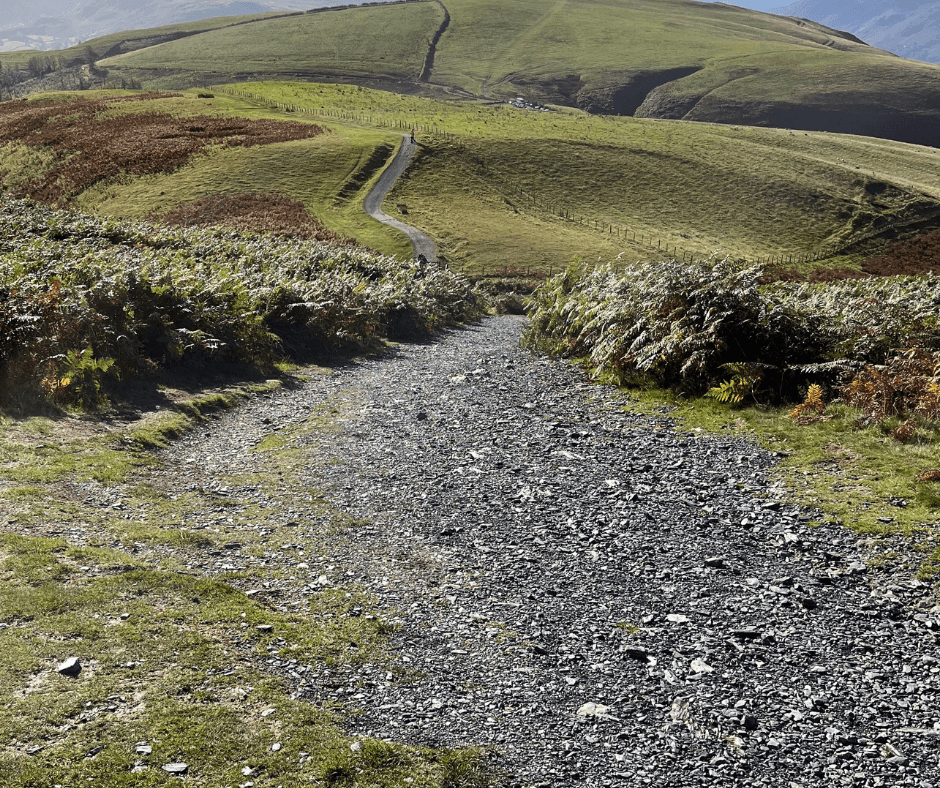
The only way to create a truly permanent trail is to stop the particles from moving. This is the core principle of soil stabilization.
Instead of just compacting the soil, this modern approach involves introducing an advanced co-polymer resin that is mixed directly into the native soil or aggregate. This polymer acts as a powerful bonding agent. As it cures, it forms a strong, flexible, three-dimensional web that chemically locks all the particles together.
The trail is no longer a collection of loose stones and dirt. It becomes a single, unified, cohesive slab. This process fundamentally transforms the ground, delivering two critical, game-changing benefits:
1. Unmatched Durability and Strength
A stabilized soil trail possesses a load-bearing strength that is orders of magnitude greater than compaction alone. The surface can easily withstand constant foot traffic, bicycles, maintenance vehicles, and even the weight of RVs in a campground setting without forming ruts, potholes, or soft spots. This engineered strength means the trail you build is the trail that will be there, in the same shape, a decade later.
2. Ultimate Weather Resistance
This is the key to defeating the "Great Washout." A polymer-bonded surface is highly impermeable. Unlike loose gravel that allows water to soak through and destabilize the base, a stabilized trail forces water to behave as it would on pavement.
When it rains, water sheets off the properly crowned surface and into the designated drainage ditches. It cannot penetrate the trail's structural base. It cannot lubricate the particles. It cannot wash them away. The result? The storm passes, the water runs off, and the trail is left perfectly intact, clean, and ready for use almost immediately. The erosion problem is not just managed; it is eliminated.
The Ripple Effect of a Better-Built Trail
Solving the erosion problem is the primary victory, but it also sets off a ripple effect of other benefits that touch on every aspect of a project's success—from its long-term cost to its daily use.
Slashing the Maintenance Black Hole
For any government or developer, the most beautiful words are "reduced maintenance." A trail that doesn't erode doesn't need to be re-graded. A surface that doesn't form ruts doesn't need to be patched. By building a stable, water-resistant trail, you are not just building an asset; you are removing a liability.
The endless cycle of dispatching crews and trucks is broken. Maintenance is reduced from a constant, costly firefighting operation to a minimal, proactive inspection. This frees up operational budgets for new projects and new amenities, rather than spending them to rebuild the same trail year after year.
Building a Pleasing, Natural Visual
The traditional "durable" alternative to a gravel path is a black, industrial-looking asphalt trail. While functional, asphalt is a scar on a natural landscape. It's ugly, artificial, and detracts from the very "back to nature" experience a trail is meant to provide.
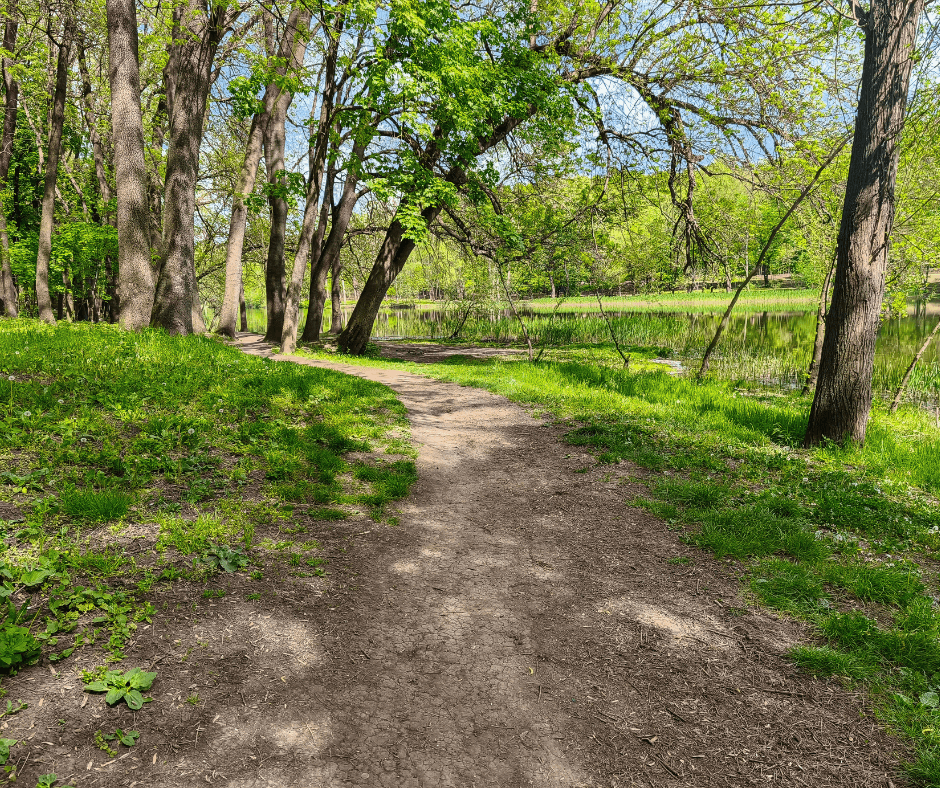
Soil stabilization offers the best of both worlds. The process typically uses the in-situ (native) soil or a locally sourced aggregate. This means the finished trail retains the beautiful, natural earth tones of its surroundings. It blends harmoniously into the landscape, providing a "soft" and pleasing visual that feels organic to the park, campground, or community, all while hiding the high-performance engineering just beneath the surface.
Staying Cool: Beating the Urban Heat Island
Asphalt paths are notorious "heat islands." The dark surface absorbs solar radiation and radiates it back, making the trail and the surrounding area uncomfortably hot in the summer. A lighter, natural-colored stabilized trail reflects far more sunlight. This reduced heat generation keeps the surface significantly cooler to the touch, creating a more comfortable and pleasant experience for users, especially on hot days.
Green, Clean, and Safe: The Human-Centric Trail
A trail's final measure of success is its interaction with the public. Is it safe? Is it healthy? Is it truly for everyone? Here again, stabilization provides superior answers.
A Green and Clean Choice
The environmental benefits are a major win for public and private projects alike.
Green Materials: By using the native soil on-site, you eliminate the carbon-intensive, costly process of trucking out old dirt and trucking in new aggregate. This dramatically reduces the project's carbon footprint and preserves local material resources.
Clean Binder: Advanced co-polymer resins are water-based and non-toxic. Unlike petroleum-based binders that can leach hydrocarbons into the soil, a stabilized trail is inert and environmentally safe. It doesn't pollute the local watershed, ensuring it protects the very nature it gives access to.
Safe for Adults, Kids, and Pets
This non-toxic, "clean" build is a crucial safety factor. Parents don't have to worry about their children playing on a surface treated with unknown chemicals. It's safe for pets' paws and for the local wildlife.
Furthermore, the "Great Washout" isn't just a maintenance problem; it's a safety problem. Eroded gullies are tripping hazards. Loose, shifting gravel is unstable to walk on. A stabilized trail provides a smooth, firm, and reliable surface that is free from these dangers. By binding the fine particles, it also eliminates dust in the dry season, improving air quality for all users.
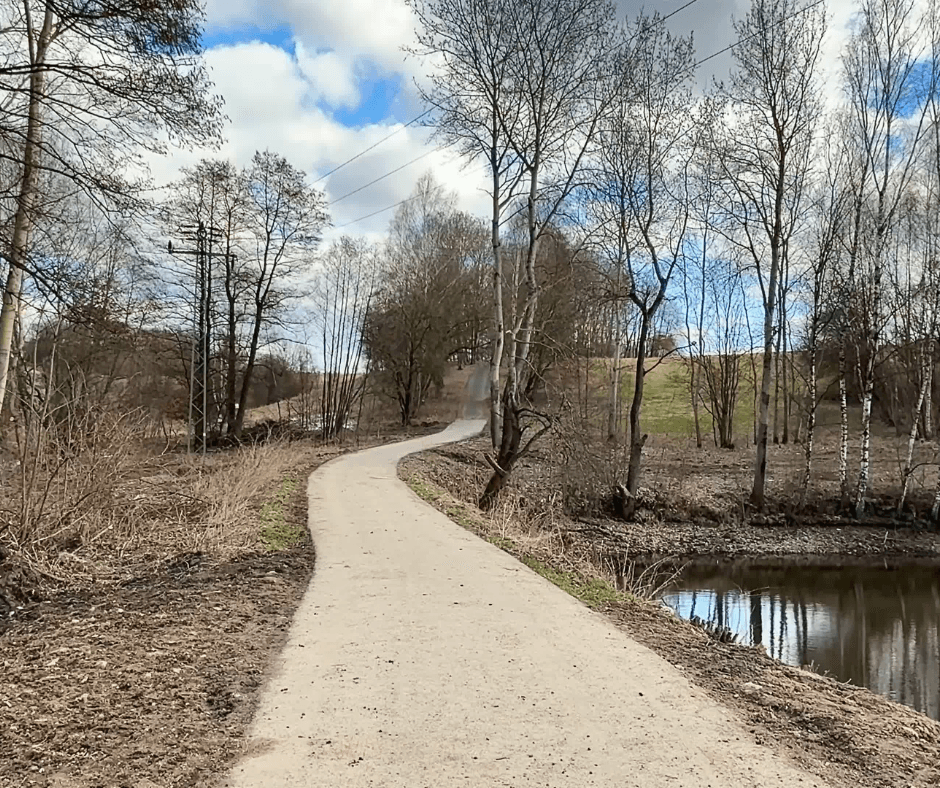
This firm, uniform surface is also the key to creating a truly inclusive and accessible trail system. Loose gravel and eroded dirt are impossible for wheelchairs, strollers, and walkers to navigate. A stabilized soil path provides the smooth, hard surface required for ADA compliance, ensuring that the natural beauty of your community is accessible to all residents, not just the able-bodied.
Stop the Washout. Start Building for Good.
The "Trail Closed" sign is a symbol of a failed, outdated approach. It’s a choice, not an inevitability.
City and county governments, developers, and campground builders have the power to stop this cycle. We can choose to move beyond the temporary fix of loose gravel and the harsh, hot intrusion of asphalt.
By embracing the science of soil stabilization, we can build the trails our communities dream of: trails that are strong enough to last for decades, smart enough to shed the worst storms, and beautiful enough to honor the natural world around them. We can build green, clean, and safe paths that reduce our maintenance budgets, lower our carbon footprint, and provide a truly accessible asset for everyone. It's time to stop budgeting for the washout and start investing in a permanent solution.