
The Ripple Effect
How Unstable Ground Compromises Your Entire Construction Timeline
In the complex world of construction and development, a project’s success is often measured by its adherence to two ironclad constraints: the budget and the timeline. Every project manager knows the intricate dance of the Gantt chart, where hundreds of tasks are scheduled in a delicate, interlocking sequence. A single delay in a critical path activity can set off a chain reaction, pushing back deadlines, inflating costs, and jeopardizing the entire endeavor. The search for the source of these delays often leads to complex culprits like supply chain disruptions or labor shortages. But in reality, the most profound and disruptive delays often originate from the simplest of sources: the ground itself.
Unstable ground is like a stone dropped into the still pond of your project plan. At first, the impact seems small and localized. But soon, the ripples begin to spread, growing larger and more powerful, touching and disrupting every corner of the operation. Ignoring the geotechnical reality of a site is not a cost-saving measure; it is merely a deferral of cost and a multiplier of risk.
This ripple effect compromises timelines in a cascading series of failures—from environmental liabilities and compromised foundations to logistical paralysis and regulatory shutdowns. Understanding this effect is the first step. Proactively controlling it with foundational engineering solutions like soil stabilization is the key to transforming a project from a reactive, chaotic scramble into a smooth, predictable success.
The First Ripple: Environmental Liability and Site Health
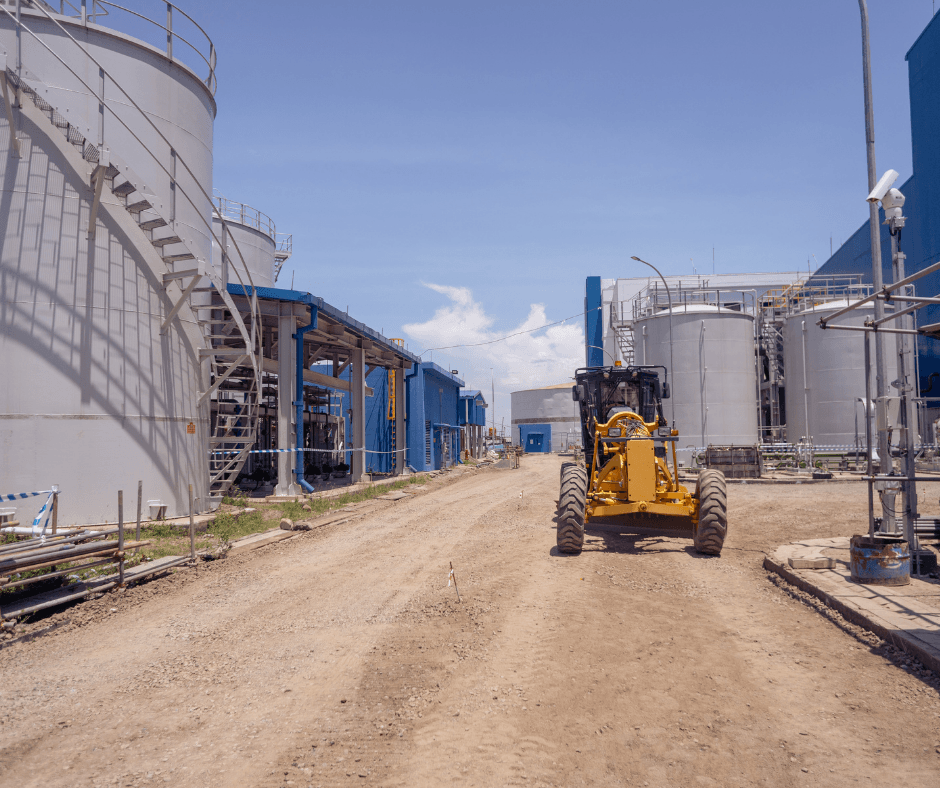
The first and most immediate ripple from unstable ground is the risk it poses to the environmental health of the site and its surroundings. Before a single piece of heavy equipment arrives, the soil itself can be a source of significant liability. This risk flows in two directions: contaminants leaching out, and spills leaching in.
On brownfield or previously used industrial sites, the ground may harbor a cocktail of legacy contaminants—hydrocarbons, heavy metals, or other chemical residues. Unstable, permeable soil provides an open pathway for these chemicals to migrate, allowing rainwater to carry them down into the water table. This represents a massive environmental liability and can trigger a host of regulatory interventions that can delay or even halt a project indefinitely.
Conversely, on a pristine site, the construction process itself is a source of potential contamination. Every worksite is home to fuels, lubricants, hydraulic fluids, and other chemicals. A spill on unsealed, porous ground can quickly transform a minor incident into a costly environmental cleanup operation. The soil acts like a sponge, drawing the contaminants deep into the ground, where remediation is both difficult and expensive.
Halting the Ripple:
The first step in controlling the project environment is to seal the ground. Soil stabilization using a co-polymer binder transforms the native soil into a semi-impermeable or fully impermeable liner. This process creates an engineered barrier that:
Encapsulates existing contaminants, preventing them from leaching out and migrating off-site.
Contains new spills on the surface, allowing for rapid and effective cleanup before they can penetrate the ground.
By addressing site health first, you are not just preparing the ground; you are mitigating a primary source of risk, creating a safer worksite, and preventing the kind of environmental issue that can derail a timeline before the first foundation is even poured.
The Second Ripple: Compromised Foundations and Budget Overruns
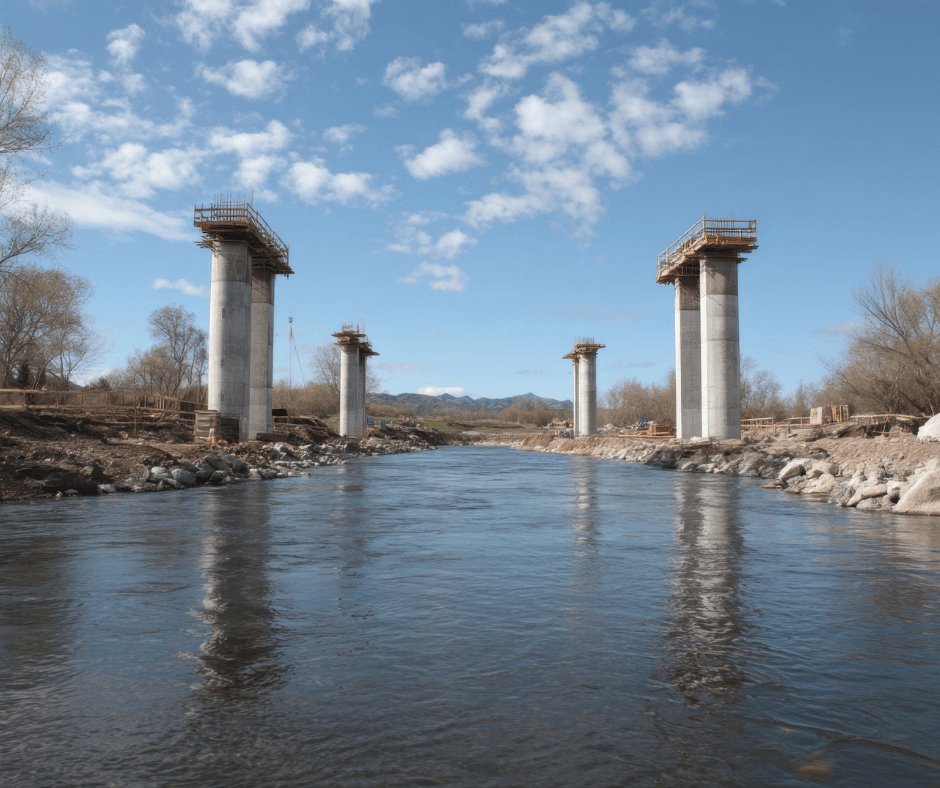
As the first ripple expands, it directly impacts the most critical component of any vertical structure: its foundation. The strength and stability of any building are entirely dependent on the quality of the ground that supports it—the “foundation under the foundation.”
When a project is built on weak, unstable, or low-density soil, engineers are forced to compensate, leading to a cascade of costly and time-consuming consequences:
Over-Engineering: To mitigate the risk of a weak subgrade, foundations must be designed to be bigger, thicker, and stronger than would otherwise be necessary. This means deeper footings, thicker concrete slabs, and more extensive use of steel rebar.
Increased Material Costs: This over-engineering translates directly into higher material costs. The additional tons of concrete and steel required can dramatically inflate the project budget.
Extended Timelines: Thicker concrete slabs take longer to pour and, crucially, longer to cure to the required strength. This can add days or even weeks of dead time to the critical path, during which subsequent phases of construction cannot begin.
Halting the Ripple:
This ripple is stopped by improving the engineering properties of the soil itself. Soil stabilization transforms a weak, unpredictable subgrade into a strong, uniform, and high-load-bearing platform. By binding the soil particles, the process dramatically increases its strength and stiffness.
This allows structural engineers to design more efficient and economical foundations. With a certified, high-strength subgrade beneath them, concrete slabs can be designed to be thinner, requiring less material and less time to cure. This not only yields significant upfront cost savings but, more importantly, it protects the project timeline by accelerating one of the most common bottleneck phases of construction.
The Third Ripple: Logistical Paralysis from Failing Access Roads
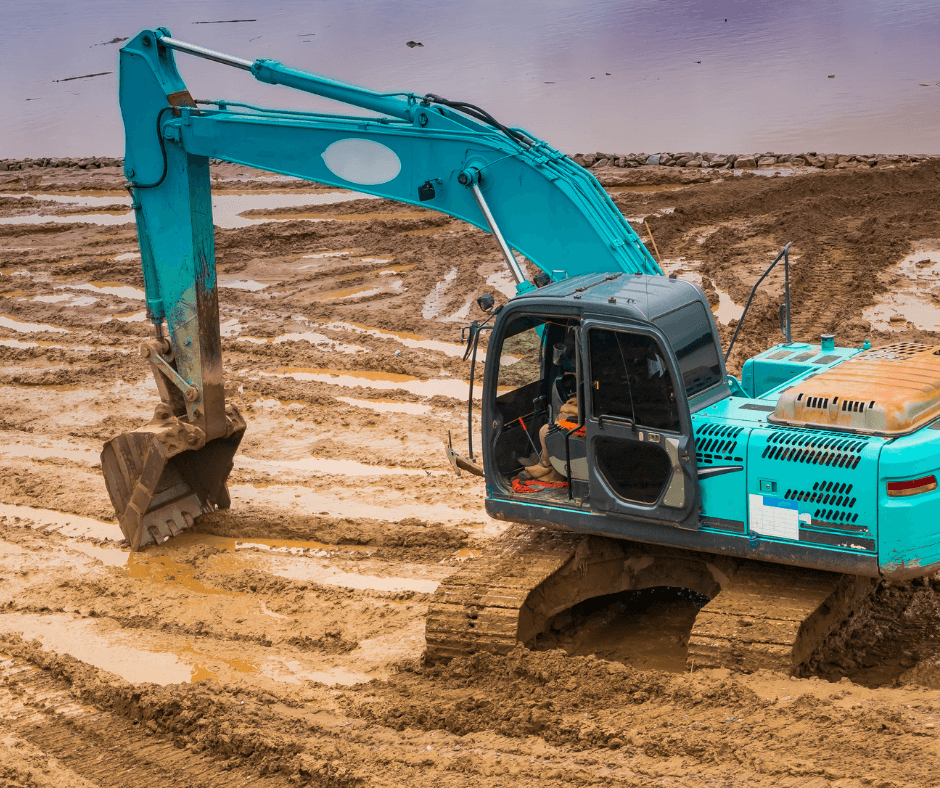
The ripple effect now spreads beyond the building footprint, threatening the logistical arteries of the entire project. A construction site is a hub of constant movement: heavy trucks delivering materials, concrete mixers on a tight schedule, cranes moving into position, and crews arriving and departing. All of this movement depends on stable, reliable access roads, haul roads, and staging areas.
When these surfaces are left as untreated, compacted dirt, they are completely at the mercy of the weather. A single, unexpected downpour, a common occurrence even in arid locations, can turn a dusty haul road into an impassable mud pit in minutes.
The consequences for the timeline are immediate and severe:
Supply Chain Disruption: A line of concrete trucks stuck at the site entrance because the road is impassable means a missed pour, wasted material, and a completely disrupted schedule.
Idle Crews: When materials can’t get in and equipment can’t move, highly-paid crews are left standing idle, yet the clock on their labor costs continues to tick.
Safety Hazards: Muddy, rutted roads increase the risk of heavy machinery getting stuck, sliding, or even rolling over, leading to potential injuries and safety stand-downs.
Halting the Ripple:
The solution is to create an all-weather, heavy-duty road network before it’s needed most. Stabilizing the soil on all access and haul roads creates a durable, water-resistant surface capable of supporting heavy traffic, rain or shine. This proactive investment in logistics is a direct investment in the predictability of the timeline. It ensures that the vital flow of materials, equipment, and personnel can continue uninterrupted, insulating the project schedule from the unpredictable whims of the weather.
The Fourth Ripple: A Haze of Dust and Regulatory Delays

The final and most pervasive ripple is dust. Like the other ripples, it originates from the same source—unstable, unbound soil particles. But unlike the others, it affects every aspect of the project simultaneously.
A dusty site is not just a nuisance; it is a significant threat to the construction timeline from multiple angles:
Health and Safety: Airborne particulate matter (PM10 and PM2.5) is a serious health hazard for workers, and can lead to OSHA violations and work stoppages.
Regulatory Shutdowns: Regional air quality authorities have the power to issue stop-work orders on any site that fails to control its fugitive dust. A shutdown can last for days or weeks, completely shattering the project schedule.
Equipment Failure: Dust infiltrates engines and sensitive mechanical systems, causing premature wear and leading to costly, unscheduled equipment breakdowns.
Community Complaints: Dust blowing into neighboring residential or commercial areas can lead to public relations crises and political pressure that can create further project delays.
Halting the Ripple:
The most effective dust mitigation strategy is to eliminate the source. While water trucks provide temporary suppression, soil stabilization provides a permanent solution. By binding the surface soils, the creation of airborne dust is prevented. This single action addresses all four threats simultaneously: it creates a healthier worksite, ensures air quality compliance, protects expensive machinery, and maintains positive community relations.
Halting the Ripple Effect: An Integrated Solution
The true power of this foundational approach is recognizing that these four ripples are not separate problems to be solved with separate solutions. They are all symptoms of a single root cause. The muddy access road that paralyzes logistics in the winter is the same road that creates the dust cloud that shuts down the project in the summer. The weak subgrade that requires a thicker foundation is the same permeable soil that poses an environmental leaching risk.
Soil stabilization is not just a product; it is a holistic site management strategy. It is the single, integrated action that halts all four ripples at once. It is the proactive investment that prevents the cascading failures from ever beginning.
From Reactive Chaos to Proactive Control
Every experienced project manager knows that the most expensive problems are the ones you didn't plan for. The ripple effect of unstable ground is a masterclass in this principle. By attempting to save a small amount upfront by neglecting the ground, projects often pay tenfold in delays, overruns, and crises down the line.
The choice is between a reactive path—fighting each ripple as a separate, unforeseen crisis—and a proactive one. The proactive path recognizes that the first, most critical step to ensuring a predictable timeline is to engineer a stable, reliable, and safe site from the ground up.
By taking control of the ground, you take control of your project’s destiny.
You stop the ripple effect before it starts.