
Washboards Belong in a Museum
Not on Your Road
Anyone who has driven on an unpaved road knows the feeling. It starts with a gentle vibration, then grows into a bone-jarring, teeth-rattling shudder. Tools and equipment in the back of the truck begin to dance, the dashboard rattles, and you fight to keep a steady grip on the steering wheel. This is the unmistakable misery of a washboard road, a nuisance that plagues rural counties, campgrounds, solar farms, and new housing developments alike.
For decades, we’ve treated this problem as an unavoidable chore. We dispatch the grader, scrape the surface smooth, and enjoy a brief period of relief before the bumps inevitably return. But washboarding isn't a mysterious force of nature; it’s a symptom of a fundamental failure. It's the visible sign that the road beneath you is made of loose, unbound materials that are fighting a losing battle against traffic and weather.
The constant cycle of grading is a costly, temporary fix for a permanent engineering problem. The real solution isn't about repeatedly smoothing the top layer; it's about building a stronger, more resilient foundation from the ground up. It’s time to retire the grader and relegate washboard roads to the history books, right where they belong.
The Foundation of the Problem:
Why Compaction Alone Fails
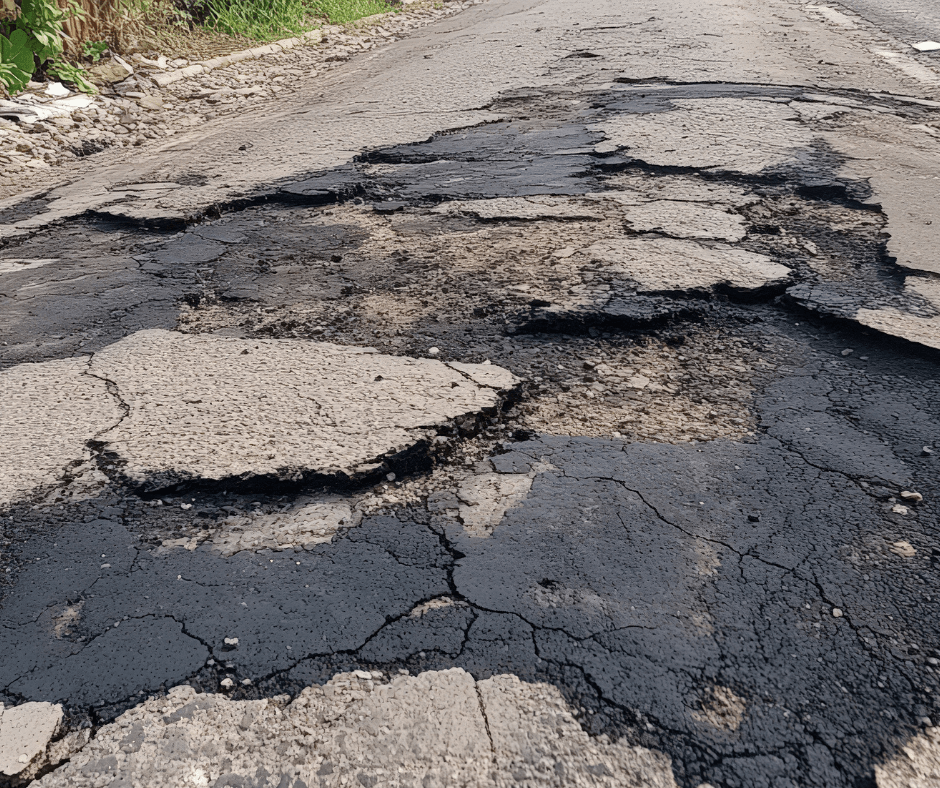
A traditional unpaved road is built on a simple premise: compact a mix of
soil and aggregate (gravel) until it’s hard. The problem is that "hard" doesn't mean "stable." The particles are simply pressed together, held in
place by friction and gravity. They are not chemically bonded.
As soon as vehicles begin to travel on this surface, the failure loop begins:
A small imperfection—a rock or a soft spot—causes a vehicle's tire to bounce.
When the tire lands, it displaces a small amount of loose material, creating a shallow depression.
The next tire hits the same spot, deepening it and creating a corresponding high spot.
This cycle repeats thousands of times, creating the rhythmic, frustrating bumps we call washboards.
This process is rapidly accelerated by water, which lubricates the particles and weakens the sub-base. The result is a road that is in a constant state of decay, requiring endless maintenance
The Solution: Creating a Predictable, Unified Sub-Base
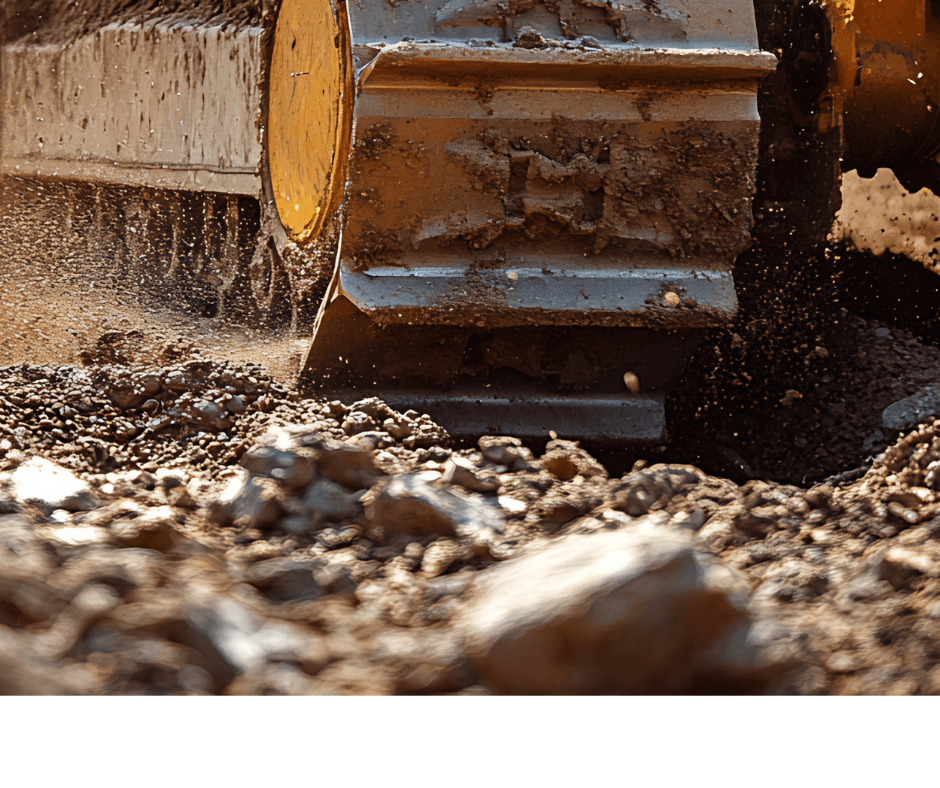
The only way to permanently solve this problem is to stop the particles from moving. This is the core principle of soil stabilization. By introducing an advanced co-polymer binder, like the ones distributed by Green Roads Project, you transform the road from a collection of loose components into a single, cohesive, semi-rigid foundation.
The polymer is mixed into the native soil or a minimal aggregate layer and compacted. As it cures, it forms millions of powerful, microscopic bonds between the particles. The road is no longer a loose collection of dirt and rock; it becomes a unified, engineered structure.
This creates a predictable sub-base. It is uniformly strong and resilient, eliminating the soft spots and inconsistencies that are the starting point for washboarding and potholes. This stable foundation is the critical first step for any high-performance travel surface, whether it’s a gravel topcoat, a chip seal, or even a full asphalt overlay.
Because this stabilized layer is inherently stronger than compacted soil alone, it also enables a massive reduction in imported materials. The stabilized native soil itself provides the load-bearing capacity, meaning you no longer need a thick, expensive layer of imported aggregate to support the weight of heavy vehicles. This immediately reduces the upfront construction costs and provides a drastic reduction in the truck traffic, fuel consumption, and carbon emissions associated with hauling materials.
Locking Water Out: The Secret to a Longer Life
The number one enemy of any road—paved or unpaved—is water infiltration. When water penetrates the surface and soaks into the sub-base, it lubricates the soil particles, drastically reducing their strength and load-bearing capacity. In colder climates, this water freezes and expands, tearing the road apart from below.
A stabilized soil surface is the ultimate defense against this threat. The polymer-bonded structure is highly impermeable. When it rains, water doesn't soak in; it sheds cleanly off the crowned surface and into the ditches. This keeps the sub-base—the heart of the road—strong and dry year-round.
This impermeability is the key to longevity. By preventing water damage, a stabilized road resists the formation of potholes, ruts, and soft spots. The result is a travel surface that maintains its integrity for years, not weeks, eliminating the relentless cycle of costly maintenance.
The Payoff: What a Stable Road Means for You
While the engineering is impressive, the real value is in how a stable, maintenance-free road impacts your specific operation.
For RV Park & Campground Developers:
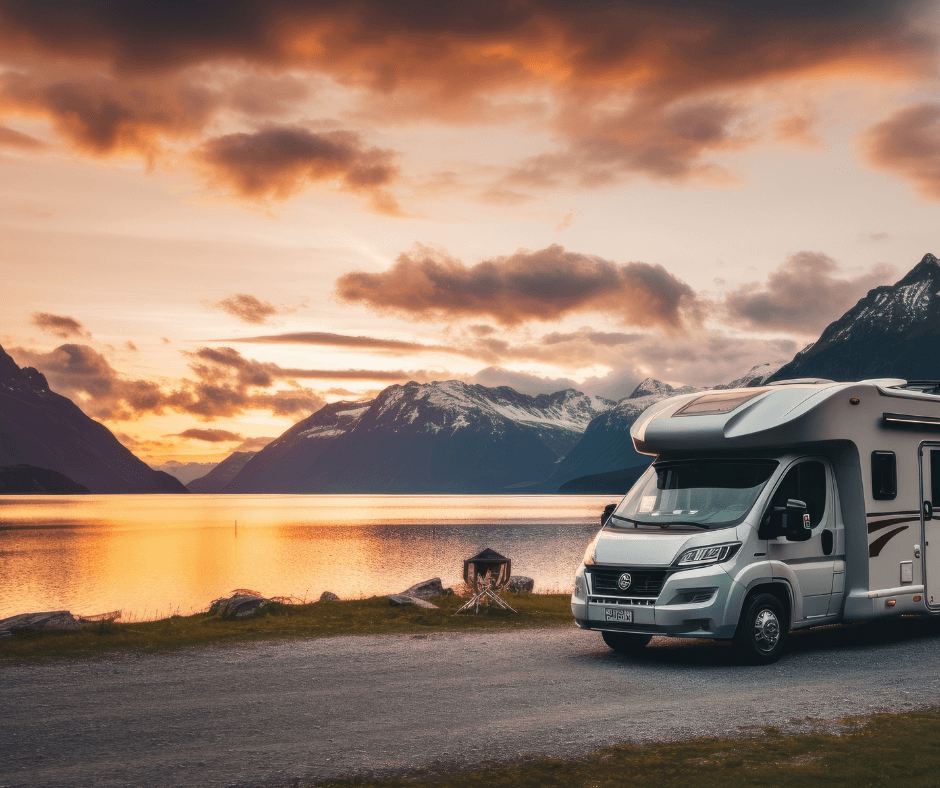
The guest experience begins the moment they turn off the main highway. A smooth, dust-free road protects their expensive vehicles, creates a premium, welcoming atmosphere, and eliminates the number one complaint of campers everywhere. Better roads lead to happier guests and better reviews.
For Solar Project Owners & Rural Counties:
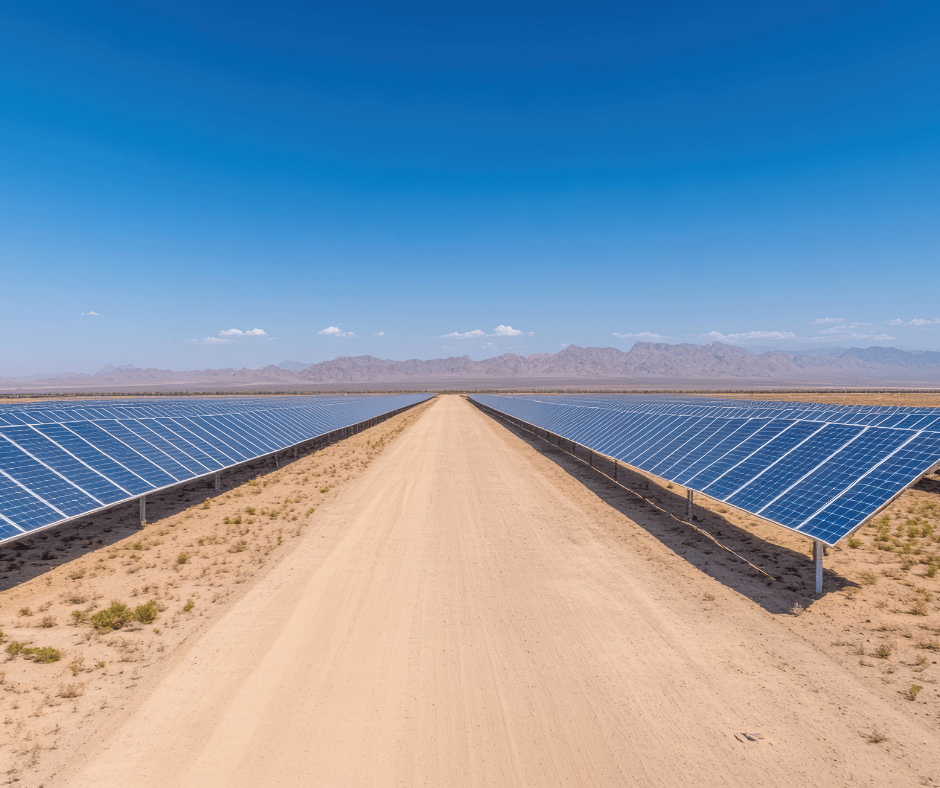
The biggest operational drain is often road maintenance. Grading washboards costs money, consumes fuel, and takes crews away from other critical tasks. A stabilized road provides reliable, all-weather access for heavy maintenance vehicles and eliminates the recurring operational expense of grading, turning a constant cost into a one-time, long-term investment.
For Construction & Real Estate Developers:
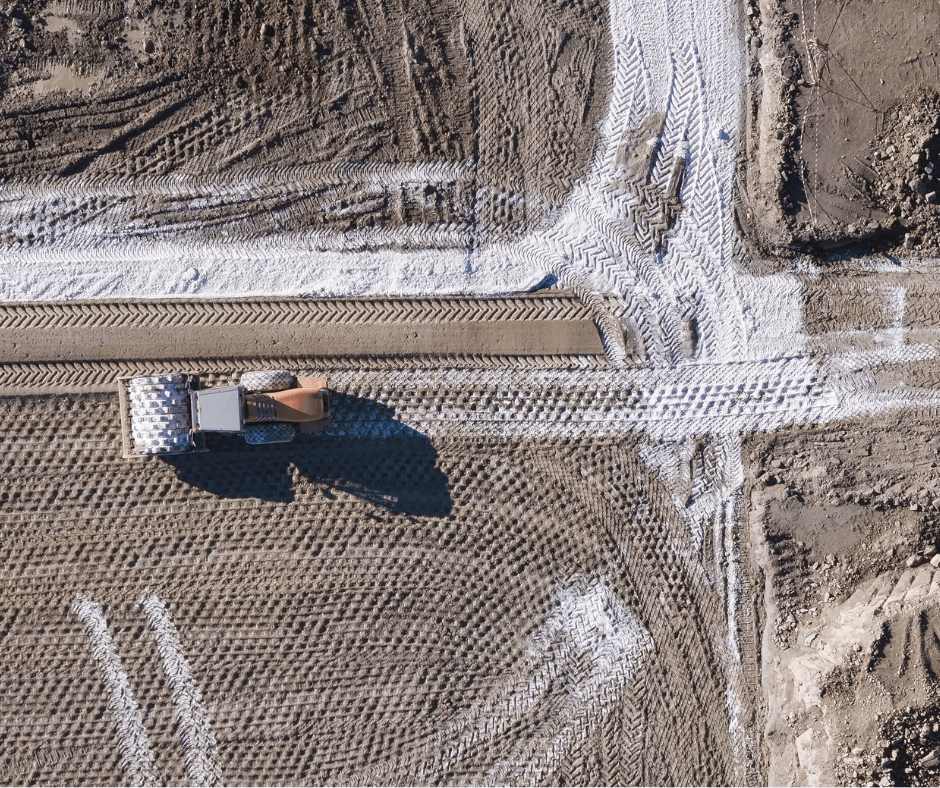
First impressions matter. The roads in a new development are a key selling point. Durable, low-maintenance roads reduce long-term HOA costs and signal quality to potential buyers. Lowering upfront costs by reducing aggregate importation allows you to invest more in other amenities, providing a competitive edge in the market.
Pave a New Path Forward
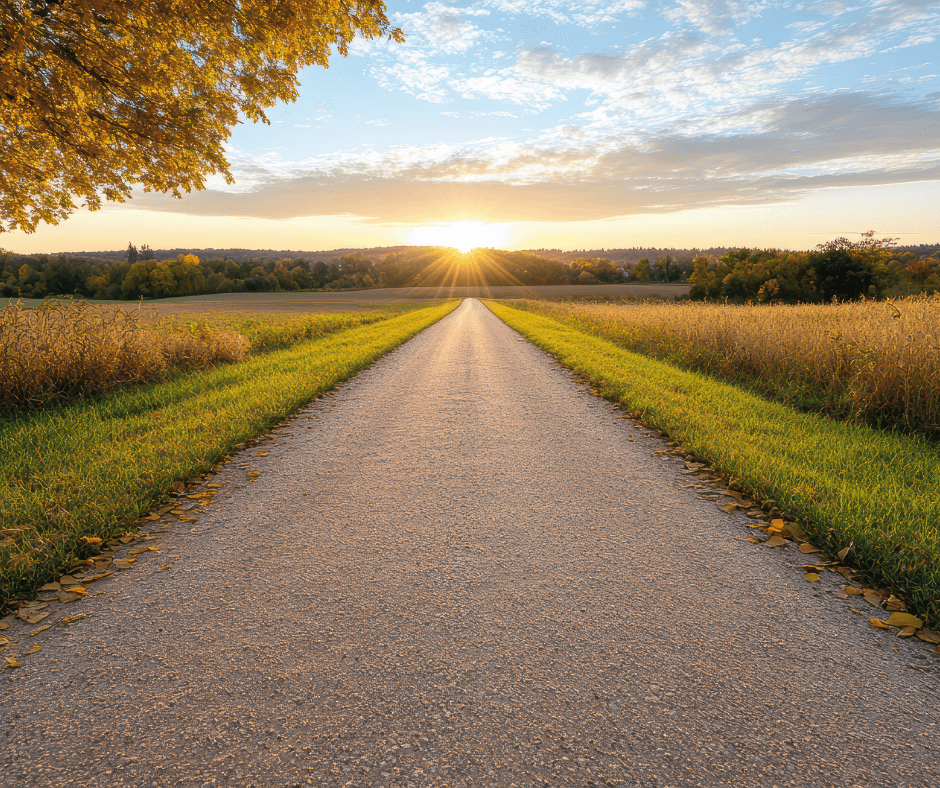
Washboards, ruts, and dust are not inevitable. They are a choice—a result of relying on an outdated method of road building. The constant drone of the grader and the endless complaints from drivers are signs that it’s time for a smarter, more permanent solution.
By creating a predictable sub-base, ensuring a longer life through water resistance, and building greater strength with fewer materials, soil stabilization offers a definitive end to the problems that plague unpaved roads. It’s time to move your roads out of the museum age and into the future of durable, sustainable, and maintenance-free travel.